
Last updated November 16, 2026
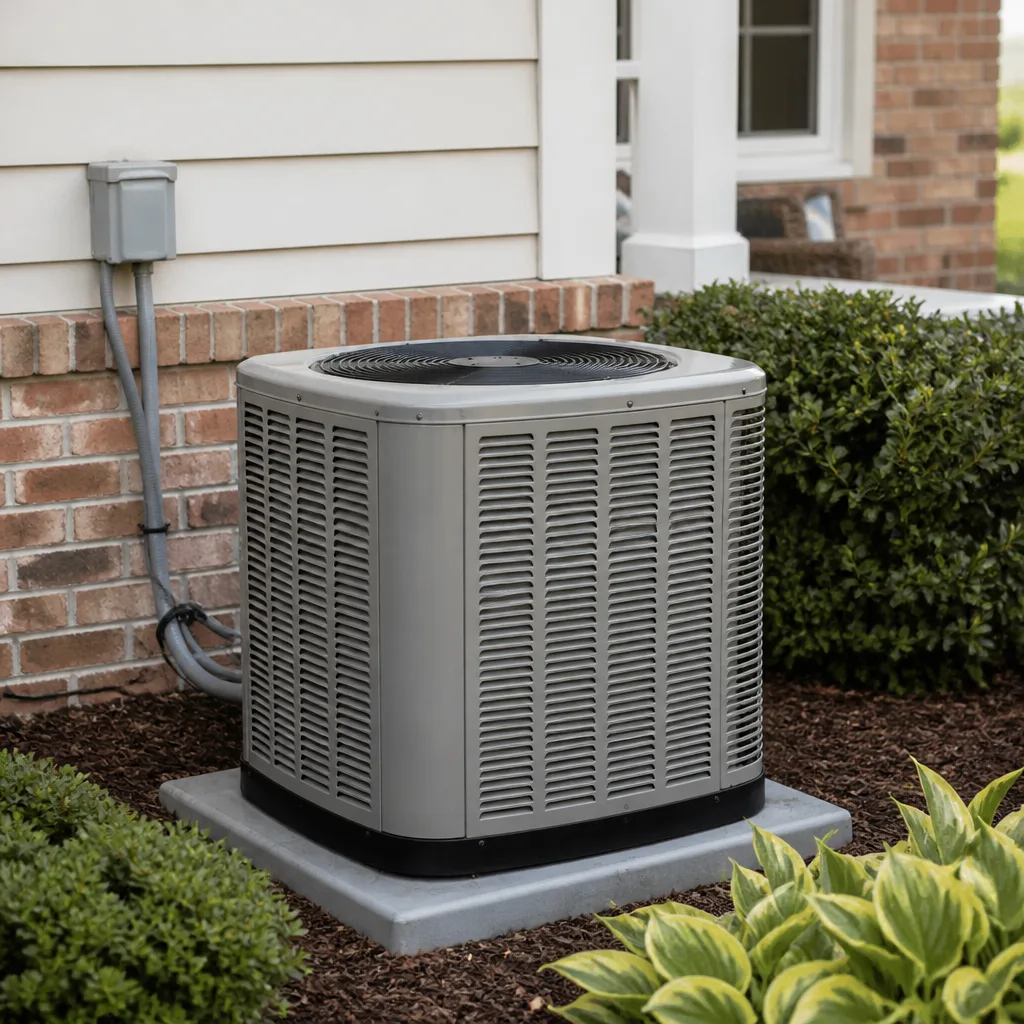 AC repair
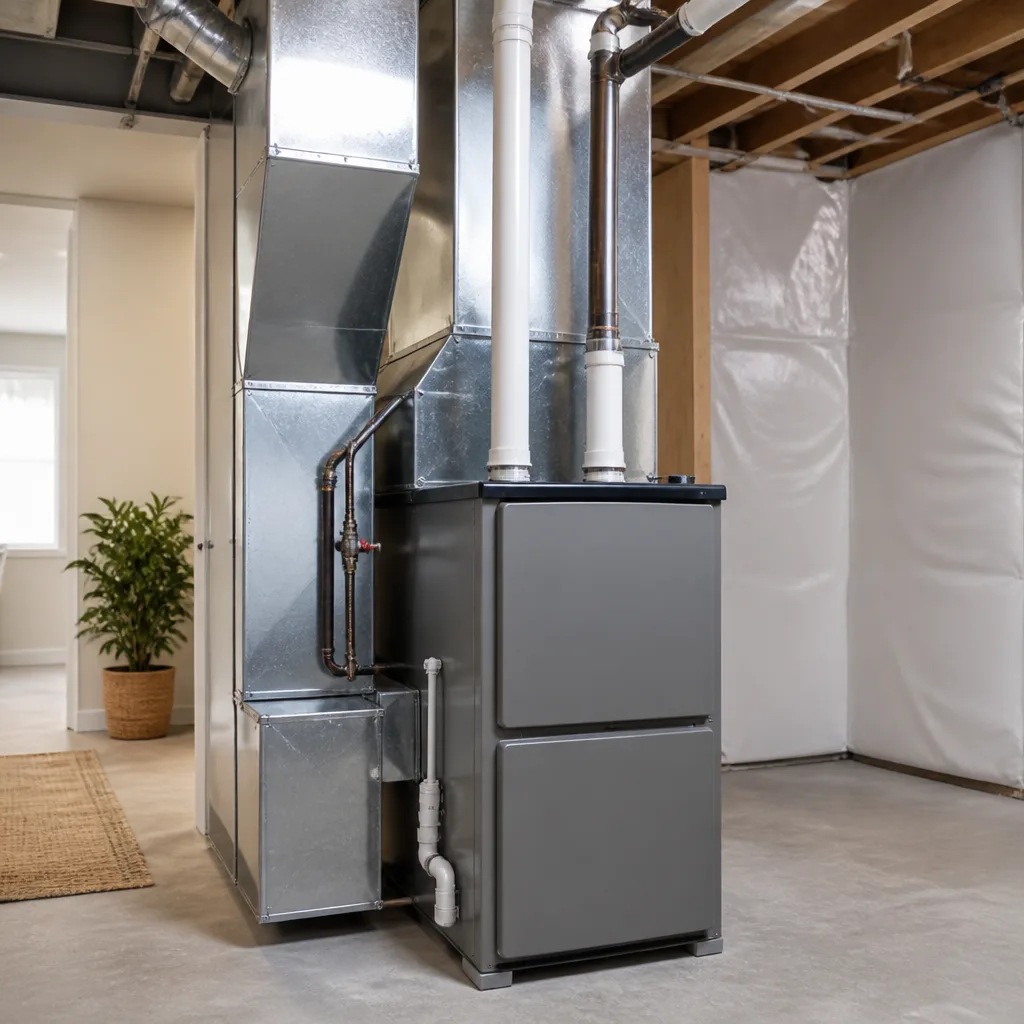 Furnace & heating
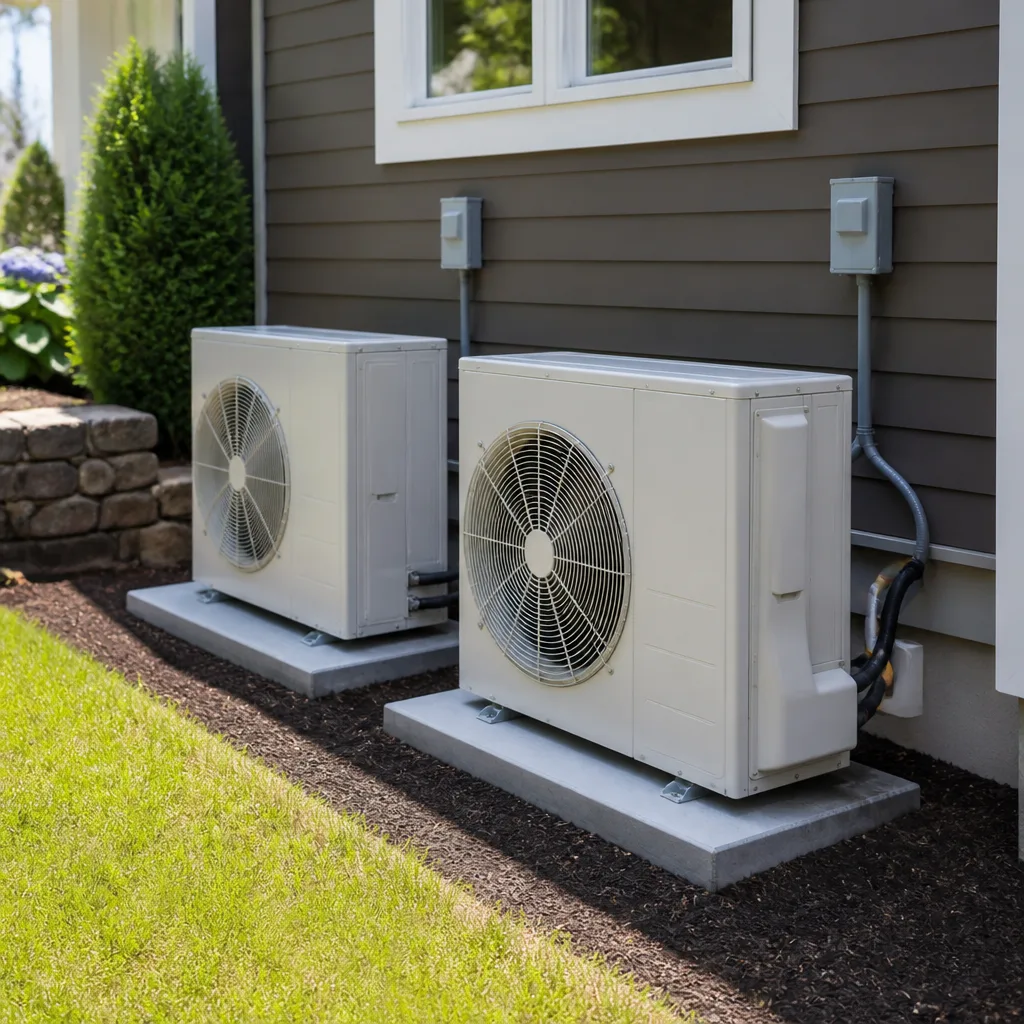 Heat pumps
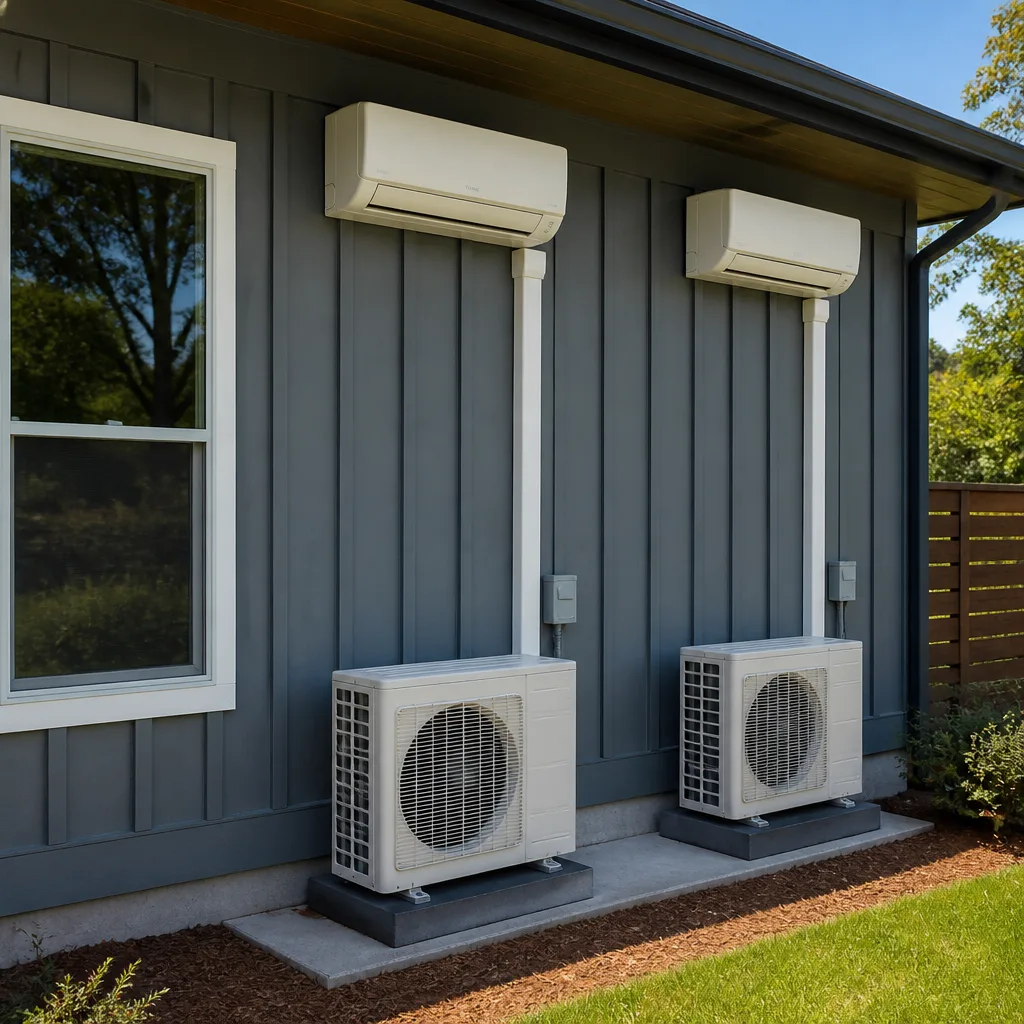 Ductless mini splits
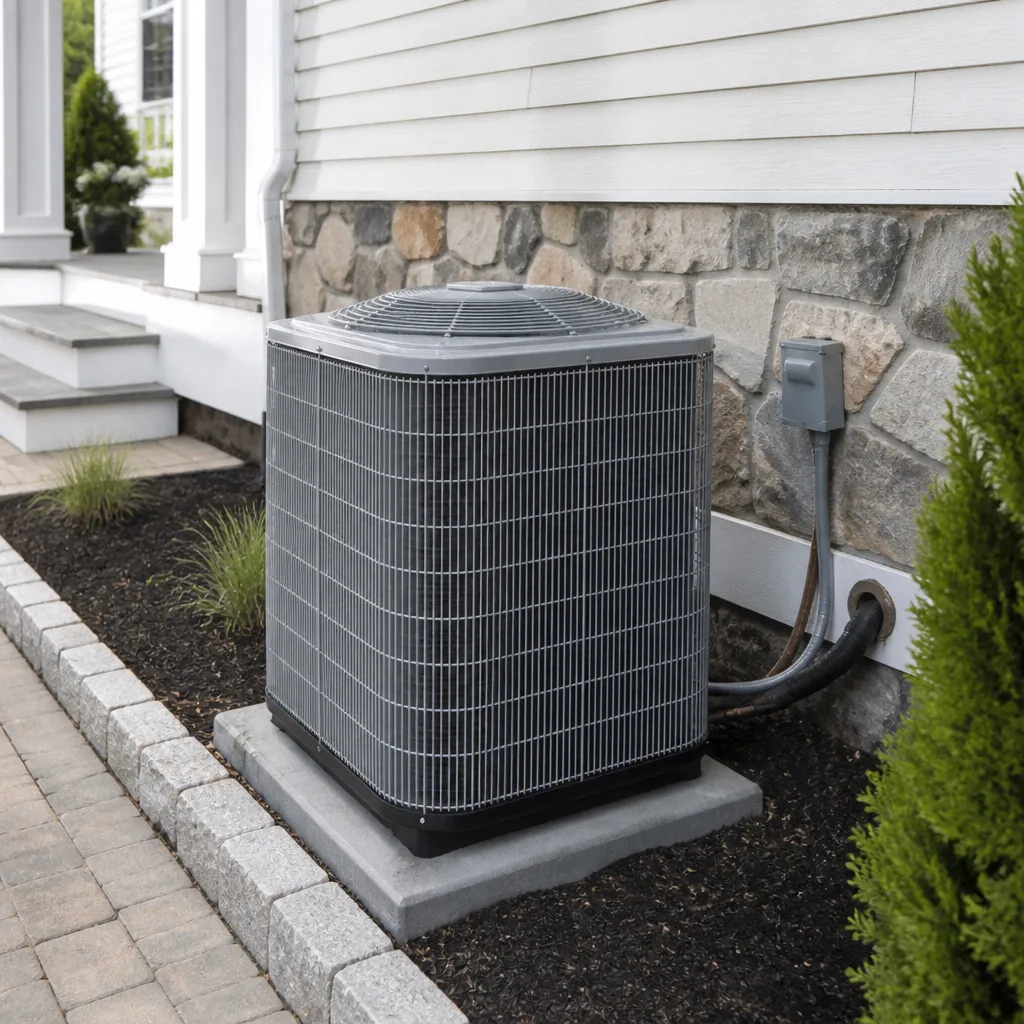 Carrier
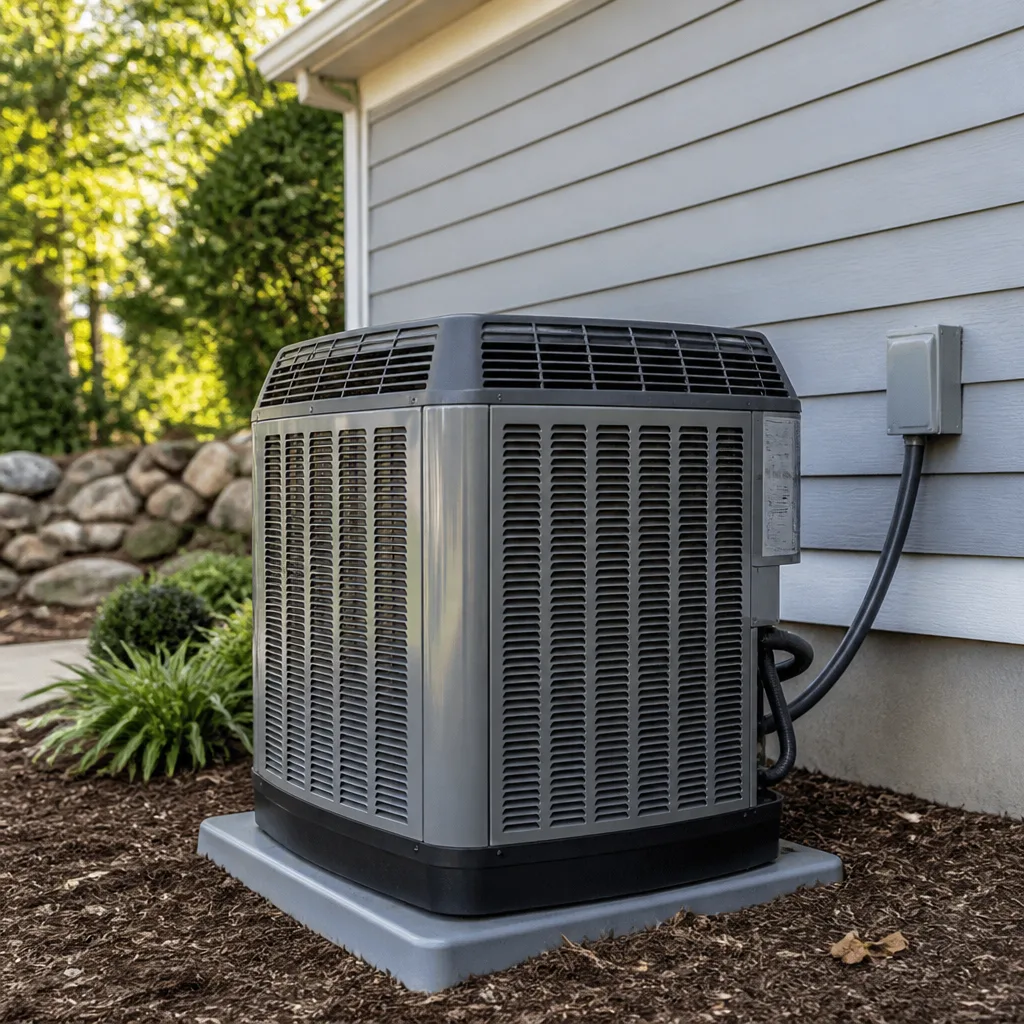 Trane
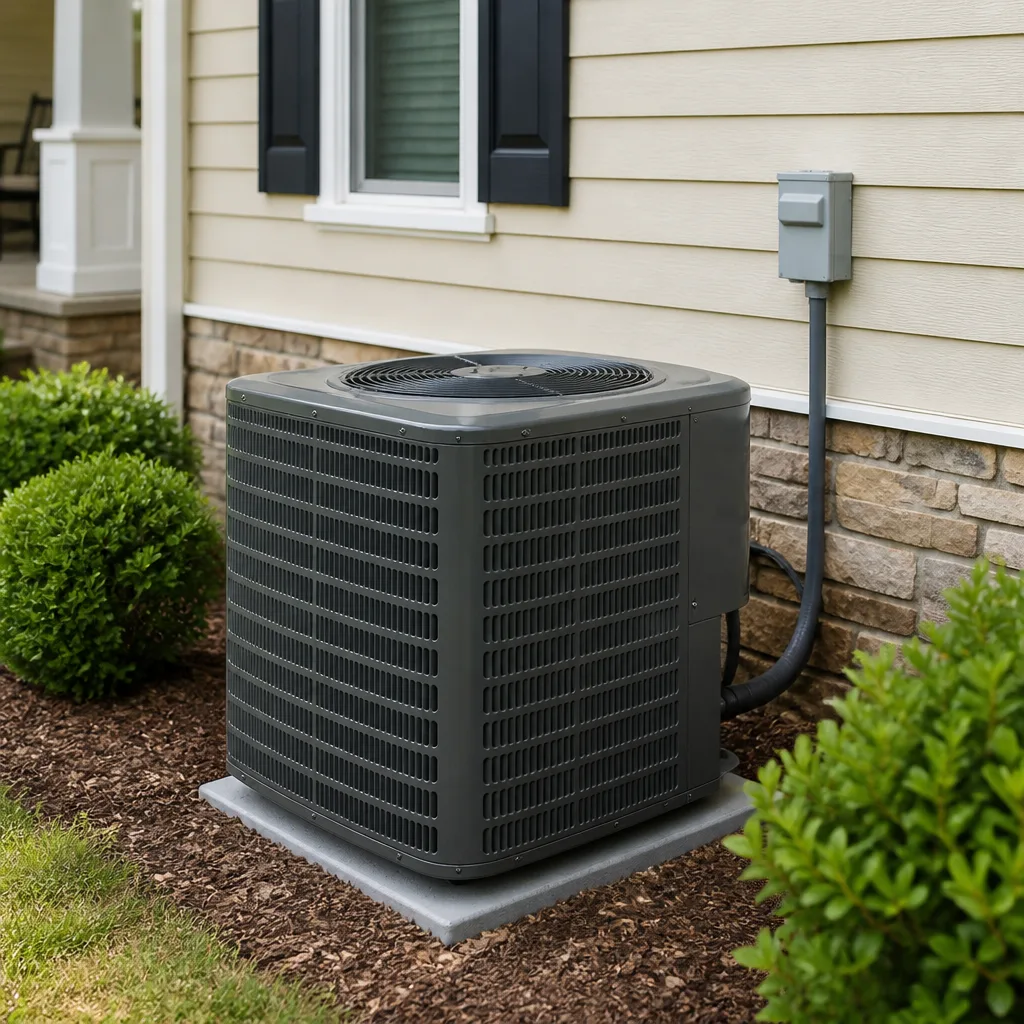 Goodman
Seasonal tune-up and full diagnostic on your Carrier, Trane, or Goodman system - readings shown to you before any repair is proposed
Diagnosis first, numbers second - you approve the repair price before a single part goes in.
Get your free estimateHVAC Emergency Preparedness Guide for Pembroke Pines Homes
Most homeowners think HVAC emergency prep means saving a contractor’s number in their phone. That’s the easy part. The part that actually decides whether a bad night stays manageable is what you do in the first two hours after the system quits, long before any technician can reach you. Pembroke Pines summers don’t negotiate. When an AC drops out on a hot afternoon, a closed house climbs fast, and the choices you make in that window shape everything that follows. This guide walks through the immediate-response checks, the heat-safety thresholds that matter for vulnerable family members, storm prep for the outdoor unit, a 48-hour contingency plan, and the documents worth keeping on file.
Quick Answer
If your AC fails in Pembroke Pines, run the 15-minute checklist first: confirm the thermostat is set to cool, check the breaker at the panel, replace a clogged filter, verify the outdoor disconnect switch is on, and look for ice on the indoor coil. Roughly one in five “emergency” calls we hear about turn out to be one of these simple issues. If nothing resolves it, move vulnerable household members to a cooler room or a cooling center, then call for service. Heat is the real emergency, not the broken equipment.
Styles & brands we work with
- AC repair
- Furnace & heating
- Heat pumps
- Ductless mini splits
- Carrier
- Trane
- Goodman
Table of Contents
- The First 15 Minutes: Checks That Resolve Many AC Emergencies
- Heat Safety Thresholds for South Florida Indoor Conditions
- Pre-Storm HVAC Prep Before a Named System Approaches
- The Correct Post-Storm Restart Sequence
- Building a 48-Hour Heat Contingency Plan
- Documents Every Pembroke Pines Homeowner Should Have on File
- When Repair Is the Right Call and When Replacement Is
- Frequently Asked Questions
The First 15 Minutes: Checks That Resolve Many AC Emergencies
When the air stops and the house starts warming, the instinct is to call immediately. Call, yes, but run these checks in parallel. A meaningful share of emergency calls resolve on the spot with one of the steps below, and if they don’t, you’ll have better information for the technician. That saves diagnostic time and helps the crew arrive prepared.
Work through this list quickly and in order:
- Thermostat. Confirm it’s set to COOL, not FAN or HEAT, and the set temperature is below the current room temperature. A bumped switch or a schedule override is a surprisingly common culprit.
- Air filter. Pull it and hold it up to the light. If you can’t see through it, it’s choking airflow. A badly clogged filter can trip the system on high-limit or freeze the indoor coil.
- Breaker panel. Find the breaker labeled for the air handler and the one for the outdoor condenser. If either is tripped, reset once. If it trips again, stop and call. A breaker that won’t hold is a safety signal, not a nuisance.
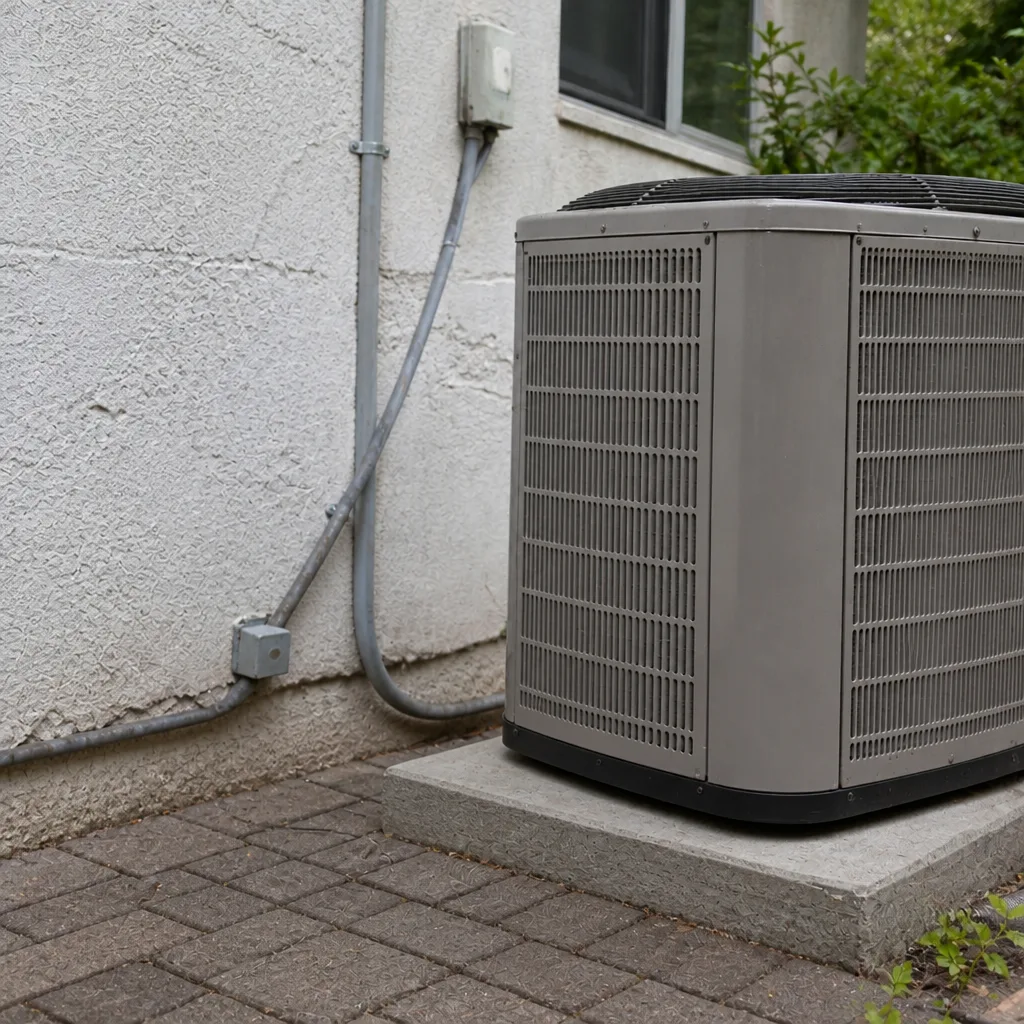
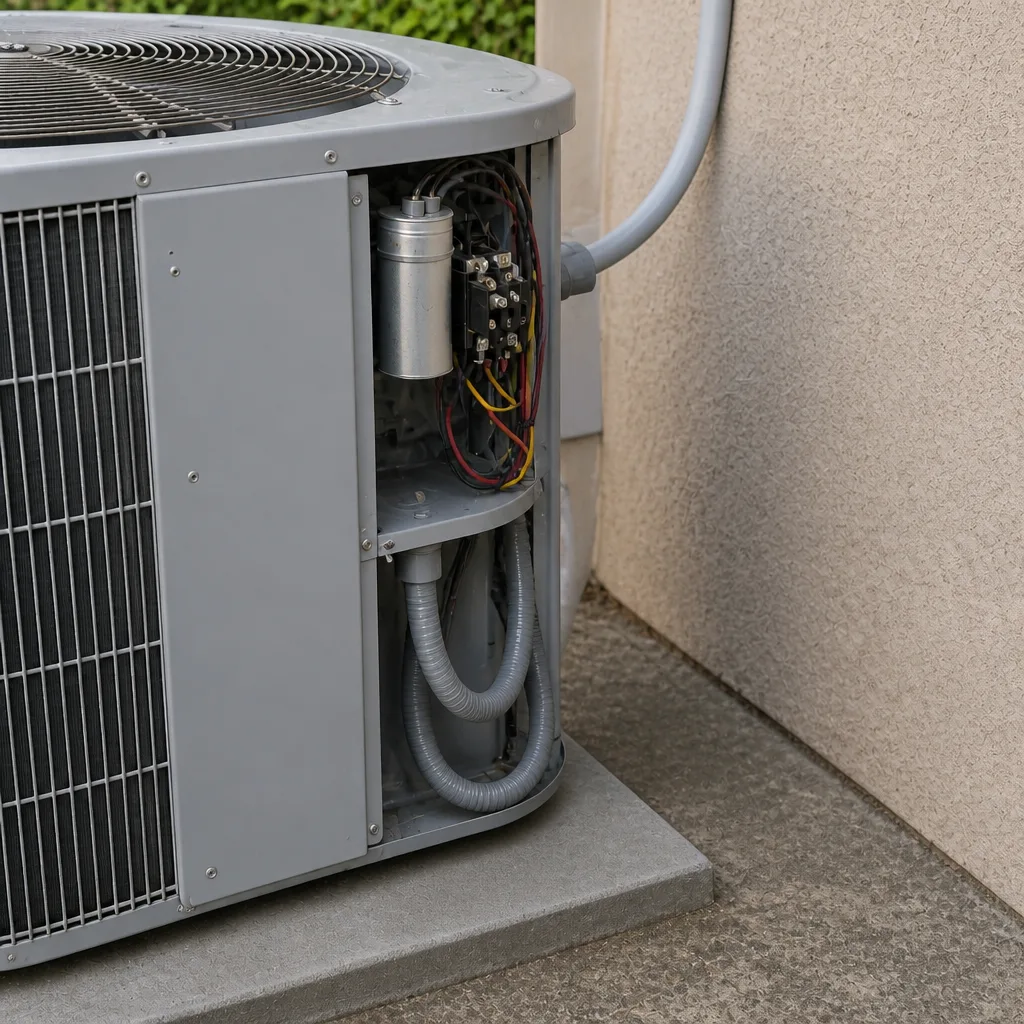
- Outdoor disconnect. The gray box mounted near the condenser is the disconnect switch. Confirm the handle or pull-out is in the ON position. Someone doing yard work may have bumped it.
- Indoor coil ice. Peek at the indoor unit or the copper lines entering it. Visible frost or ice means the system has been running low on airflow or refrigerant. Turn the system off at the thermostat and let it thaw before running it again. Running a frozen system can damage the compressor.
- Condensate drain. A clogged drain line can trigger a float switch that shuts the system down. Look for standing water in the pan under the indoor unit and clear visible blockages.
- Outdoor unit obstruction. Confirm two feet of clear space around the condenser, and check that leaves, grass clippings or a tarp aren’t blocking the fan.
If the system still won’t cool after these steps, you’ve ruled out the simple causes. That’s when a service call is clearly warranted, and you’ll be able to tell the technician exactly what you checked. We work on systems across Pembroke Pines daily and know how a clogged filter in a home near C.B. Smith Park in mid-July behaves differently than a tripped breaker in a Chapel Trail townhome. The symptoms matter.
What Not to Do While You Wait
Don’t keep resetting a tripped breaker more than once. Don’t open the electrical panel cover, and don’t try to service the outdoor unit’s electrical components yourself. Those are the dangerous parts of the job, and the reasons technicians train for years. Same goes for the refrigerant circuit: adding refrigerant without gauges and a leak diagnosis is a shortcut that hurts the system and your wallet.
Heat Safety Thresholds for South Florida Indoor Conditions
For healthy adults, an indoor temperature creeping toward the high 80s is uncomfortable but survivable. For the elderly, infants, and people on certain medications, it becomes a genuine health risk much sooner than most people realize. This is the part of emergency prep that many homeowners underestimate, and in Pembroke Pines, where summer heat indexes routinely climb well into the triple digits outdoors, indoor heat buildup is not hypothetical.
Treat these indoor thresholds as action points:
- Under 80°F: Monitor. Open interior doors to promote airflow. Run ceiling fans, understanding they help only if the house is still cooler than the outdoors.
- 80°F to 85°F: Activate your contingency plan. Move vulnerable family members to the coolest room in the house, ideally a lower floor away from west-facing walls. Close blinds on sun-facing windows.
- 85°F to 90°F: Relocate vulnerable household members to a cooling center or a hotel. Don’t wait for the house to feel unbearable before moving them.
- Above 90°F: Anyone elderly, infant, or with a heat-sensitive medical condition should not remain in the home. Move now, not in an hour.
Pay attention to signs of heat stress in vulnerable household members: confusion, dizziness, nausea, headache, or skin that’s hot and dry. Those are signals to move them into air conditioning and seek medical guidance if they don’t improve quickly. The equipment can be repaired. A health event cannot be undone.
Why Pembroke Pines Homes Heat Up Faster Than Expected
Modern construction in Pembroke Pines is well insulated, but tightly sealed homes also trap heat. West-facing bedrooms in two-story homes can sit several degrees warmer than the thermostat reads, because the thermostat is usually mounted in a hallway with different sun exposure. If the AC is out and you’re relying on the thermostat’s number, place a separate thermometer in the room where a vulnerable family member is actually sleeping. The difference matters.
Pre-Storm HVAC Prep Before a Named System Approaches
When a tropical system heads toward South Florida, most of the attention goes to shutters and water. The outdoor condenser unit deserves a spot on that checklist too. Wind-driven debris can bend fan blades, dent coils, and in extreme cases tip a pad-mounted unit. Pre-storm prep is unglamorous but it’s the difference between cooling restored quickly after the storm and a full condenser replacement.
Here’s what to handle in the day or two before a system arrives:
- Trim overhanging branches. Anything within reach of the condenser or the roof-mounted components should be cut back. Loose branches become projectiles in high wind.
- Secure or remove loose yard items. Patio furniture, grills, and potted plants that can blow into the unit should go inside or into a garage.
- Locate the outdoor disconnect switch and photograph it in the ON position. That way, post-storm, you’ll know exactly what to check and where it should be.
- Consider strapping the outdoor unit. Hurricane straps are available for pad-mounted condensers. If yours isn’t strapped, a technician can do it. Don’t attempt to modify the mounting yourself if you’re not confident.
- Turn the system off before the worst wind arrives. If power interruptions are expected, shutting the system down proactively avoids the cycling and surges that can happen as power flickers.
- Do not cover the condenser with a tarp. A tarp that stays on the unit traps moisture and can rust the unit from the inside. If you must use one, remove it the moment the storm passes.
The Correct Post-Storm Restart Sequence
This is where good intentions cause expensive damage. After a power outage, some homeowners flip every breaker back on immediately and crank the thermostat to the coldest setting. That’s the wrong sequence, and in our experience it’s one of the fastest ways to damage a compressor or the electrical start components.
Restart in this order:
- Confirm power is stable. Wait until the utility has restored power and it’s stayed on without flickering for a while. Flickering power means your compressor is trying to start against an unstable supply.
- Turn the thermostat to OFF. Make sure the system is commanded off before any breakers are touched.
- Reset breakers once, calmly. If the indoor air handler breaker or the outdoor condenser breaker tripped during the storm, reset. If either trips again, stop. Don’t cycle it multiple times.
- Check for visible damage. Look at the outdoor condenser for debris in the fan, bent grilles, or obvious physical damage. Look indoors for water near the air handler. If you see water or damage, call before running.
- Restore the outdoor disconnect. Verify the switch is in the ON position.
- Power the system on, then wait. Set the thermostat to COOL at a reasonable temperature (78°F is a sensible starting point). Give the system 5-10 minutes to run. If it doesn’t cool, or if it makes an unfamiliar noise, turn it off and call for service.
One more thing: after a power outage of several hours, the house is holding a lot of heat. The system will run long and hard to catch up. That’s normal. Don’t panic and crank the thermostat below 70°F, because it won’t cool any faster and you’ll stress the compressor. Let the system do its work.
Building a 48-Hour Heat Contingency Plan
Assume for the moment that your AC fails during a heat advisory on a Friday evening and the soonest a technician can reach you is the following morning. That window is the one this section is about. A 48-hour contingency plan exists to make that window safe rather than stressful. It doesn’t take much to build, and it makes an enormous difference.
Here’s what a workable plan includes:
Cooling Centers
Pembroke Pines and Broward County maintain designated cooling centers during heat events, often at community centers, libraries, and senior centers. Before the season starts, look up the nearest one to your address and note its location and typical operating pattern. If you have an elderly family member in the household, that location should be saved in your phone and theirs.
Hotel Options
For a multi-day outage, a hotel is the safest option for vulnerable household members. Keep a list of 2-3 nearby hotels, ideally ones that accept pets if you have them. In a regional heat event, hotels near Pembroke Pines fill up quickly, so making the call early in the evening is far better than waiting until 11pm.
Portable Cooling That Actually Works in a Florida Home
Portable AC units work, but only with the right setup. The most common failure is exhausting into a room that also needs to stay cool. Instead, exhaust the hot air through a window or sliding door and make sure the window kit is sealed. A single-hose portable unit pulls air from the room and exhausts it, which creates negative pressure and draws hot outside air back in. Dual-hose units avoid this. If you’re relying on a single-hose unit, run it in one small room with the door closed and keep everyone in that room.
Box fans help only when they’re moving air across your skin. Position them so they blow on a person, not around the room. Keep blinds closed on sun-facing windows throughout the day. Wet towels on the back of the neck and cool showers are simple and effective for healthy adults.
Documents Every Pembroke Pines Homeowner Should Have on File
When a technician arrives on a hot evening and you can hand them the equipment model number, the refrigerant type, and the install date, the diagnostic process moves faster. Every caller who has this information ready saves themselves time, and saves the technician a trip around the unit with a flashlight. It’s the least glamorous part of emergency prep, but it’s the highest return.
Keep a physical folder in a drawer or a digital one in your phone, containing:
- The outdoor condenser make and model number, plus the serial number. Photograph the data plate on the unit.
- The indoor air handler make and model, plus serial number.
- The refrigerant type the system uses (commonly R-410A on systems installed in the last two decades; R-454B or R-32 on newer equipment).
- The approximate installation date, or the year the equipment was manufactured if you don’t have the install date.
- Warranty documentation, including registration confirmations and any extended coverage papers.
- The name of the last company that serviced the system, if any, and the date of last service.
- Photos of the thermostat model and settings, and photos of the electrical panel with breakers labeled.
This portfolio is worth having whether your equipment is a Lennox, a Goodman, a Rheem, or a York. The information is universal. Our technicians work on nine major brands, and having the numbers ready at the time of the call is what lets any reputable service team show up prepared. Whether your system needs an AC installation quote or a repair, that documentation shortens every conversation.
When Repair Is the Right Call and When Replacement Is
Not every failure during a hot weekend is an emergency requiring immediate action. Some failures can be scheduled for the next available appointment, provided the household can stay safe in the meantime. Others are genuine emergencies that warrant an immediate call. Understanding the difference helps you make a calm decision.
Call immediately, and be prepared to move vulnerable household members, if any of these are true:
- Someone in the household is elderly, an infant, or has a heat-sensitive medical condition.
- Indoor temperatures are climbing past 85°F.
- The system is tripping the breaker repeatedly.
- You smell burning or see scorch marks near the equipment.
- There’s water flooding near the indoor air handler.
- The system makes a loud metallic noise or a grinding sound from the outdoor unit.
If something is off but the house is cooling at least partially, you’re likely fine to schedule an appointment rather than treat it as an emergency. Intermittent cooling, an outdoor fan that runs inconsistently, or a system that cools but struggles in the afternoon heat are all worth diagnosing soon, but they aren’t the same as a full failure in a heat advisory.
When the system crosses from repairable to needing replacement, that’s a separate conversation. And it’s a real one. We help Pembroke Pines homeowners work through that decision with an honest read on cost versus remaining life, not a nudge toward a new install. If you’re considering furnace work at the other end of the season, we also handle furnace repair and full furnace replacement, so the same assessment discipline applies.
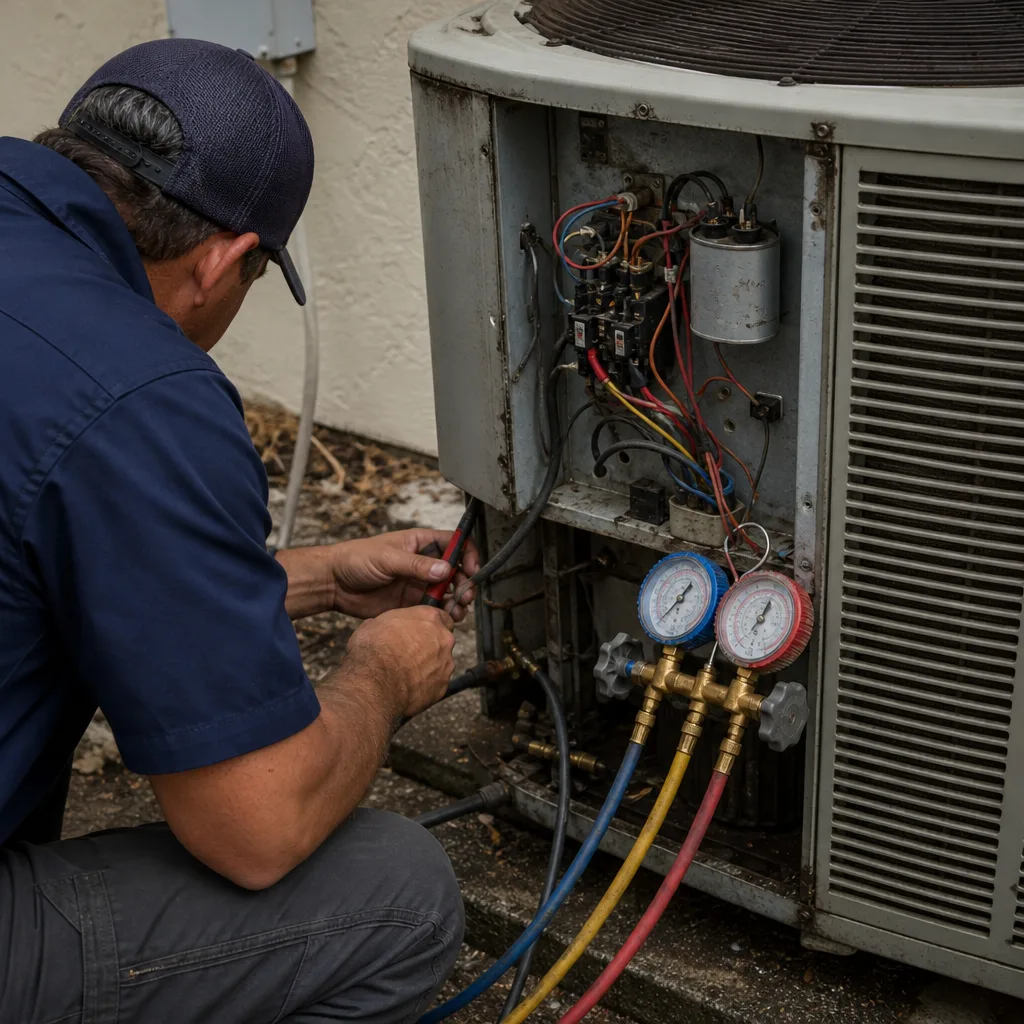
See the difference
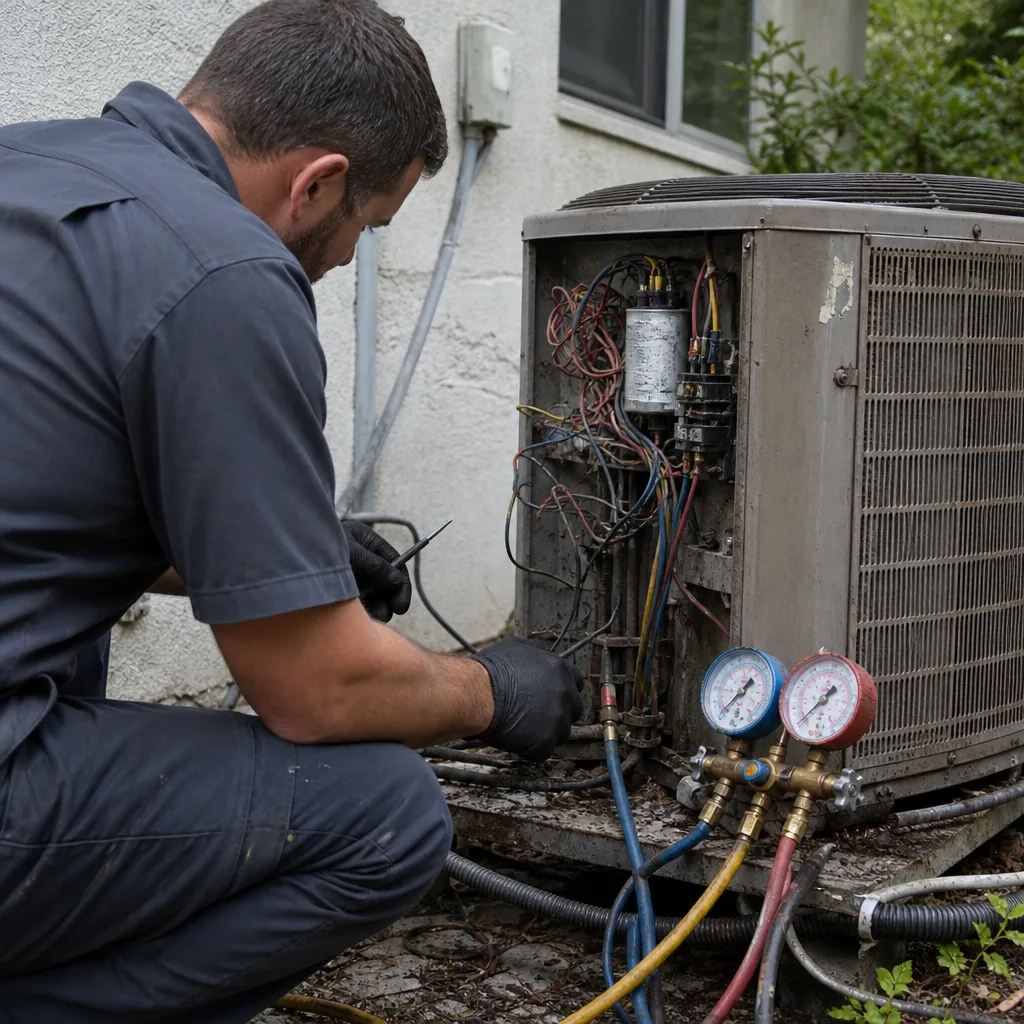 Before
 After
 Before
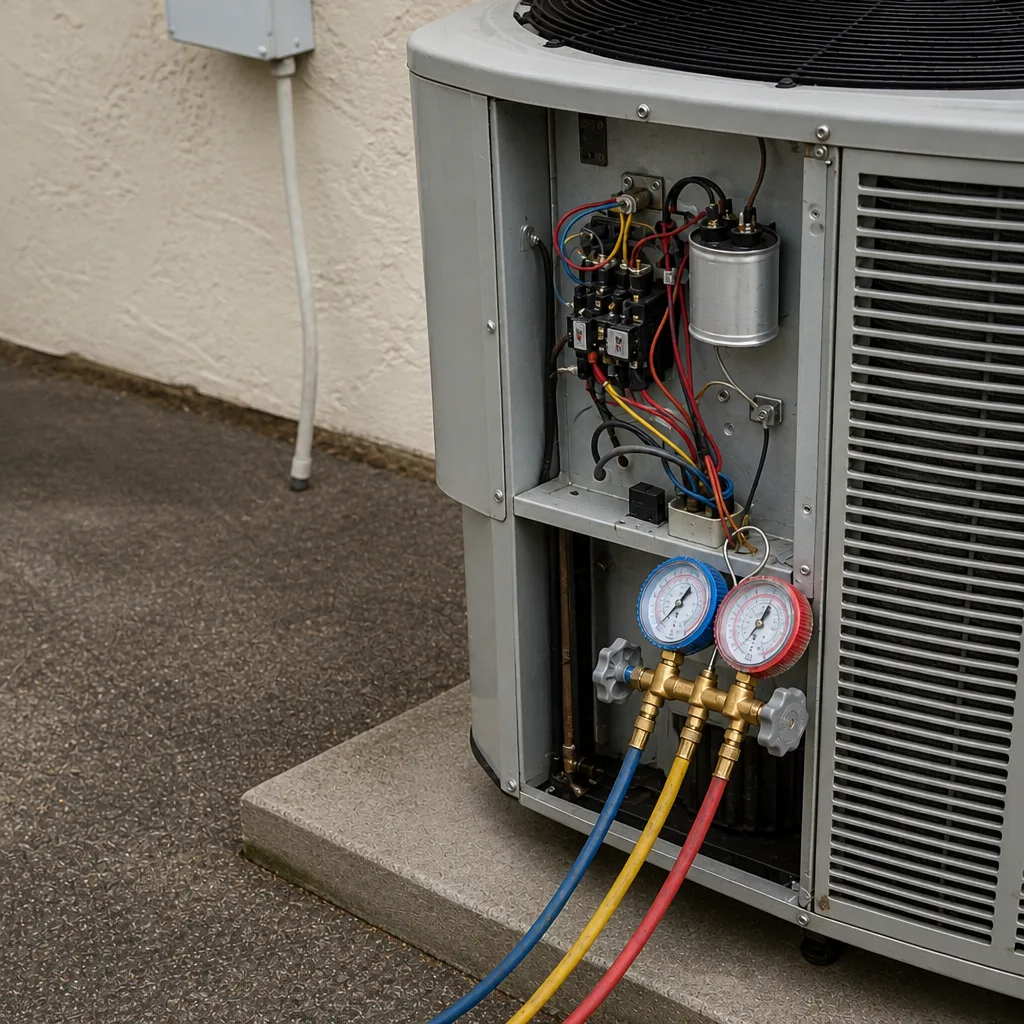 After
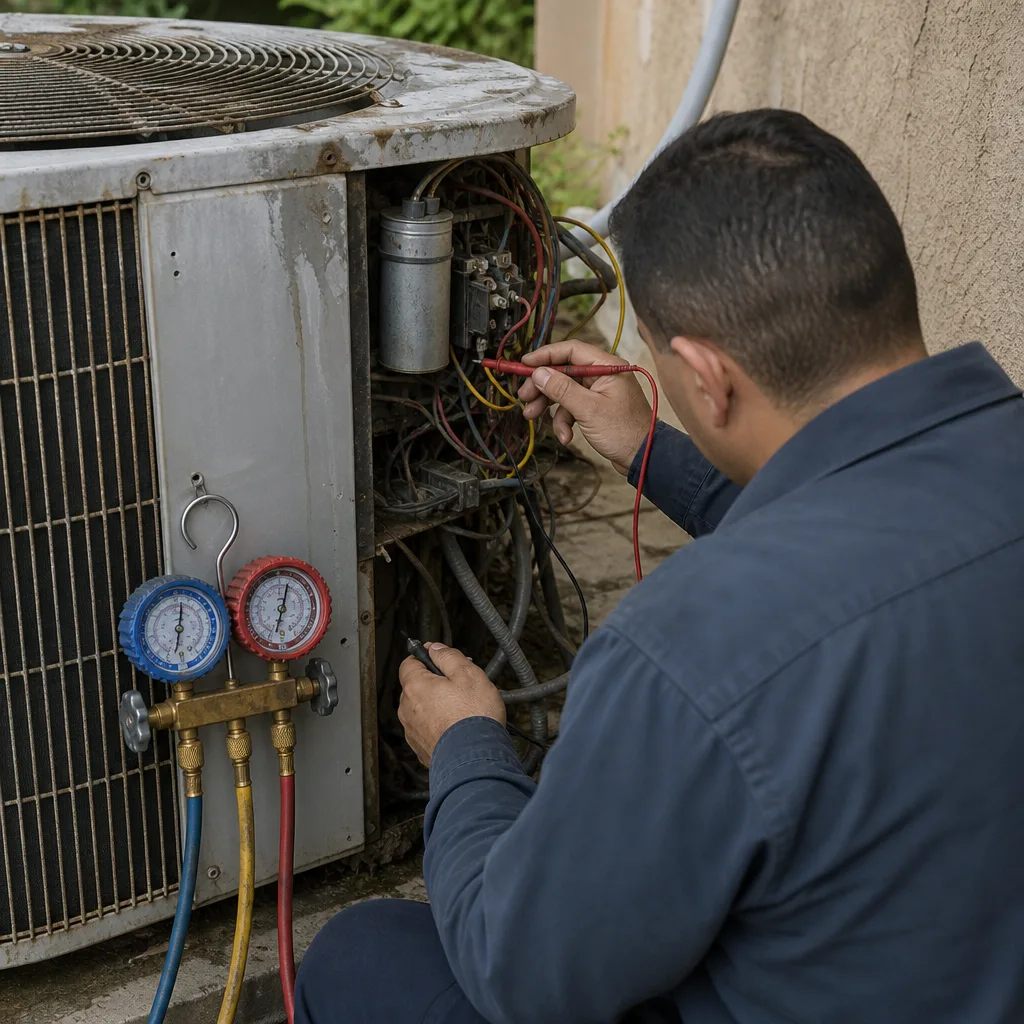 Before
 After
Common Mistakes to Avoid
- Cycling a tripped breaker more than once. If a breaker trips on your AC, reset it once. If it trips again, the system is telling you something is wrong. Keep resetting and you can cause real damage or a fire hazard.
- Running a frozen indoor coil. Ice on the indoor unit means airflow or refrigerant trouble. Running it frozen can destroy the compressor, which turns a repair into a replacement.
- Cranking the thermostat to 60°F during a heat wave. The system can only cool so fast. Setting it to 60°F doesn’t make it cool faster, but it does force the compressor to run continuously, which wears it harder in high heat.
- Covering the outdoor condenser with a tarp during a storm. A tarp traps moisture inside the cabinet. If you must protect it, remove the covering the moment the storm passes.
- Forgetting to change the filter before the storm. A clogged filter going into a storm day compounds every other problem that follows. Check it two days before the system arrives.
- Waiting to move an elderly family member. In Pembroke Pines summer heat, indoor temperatures can reach dangerous levels faster than most people expect. Move vulnerable people at 85°F, not 95°F.
- Cleaning the outdoor unit’s electrical panel or cutting refrigerant lines as a “DIY fix”. These are the two most dangerous parts of an HVAC system. Leave them to a licensed technician, always.
When to Call a Professional
Call for service when you’ve run the 15-minute checklist and the system still won’t cool, when the breaker trips more than once, when you see ice on the indoor coil that doesn’t clear after a thaw, or when you smell burning. Also call when the system is running but the house isn’t reaching the set temperature during peak afternoon heat, because that’s often a sign of low refrigerant or a failing component that gets worse if ignored. If anyone in the home is heat-sensitive and the system has failed, call first and move them to safety while the call is placed. Remington AC Repair offers free estimates in Pembroke Pines. Call (866) 237-6150. We answer 24/7. Fast dispatch from 7am to 7pm, Sunday through Friday.
Frequently Asked Questions
For most non-emergency failures, we can arrange fast dispatch from 7am to 7pm, Sunday through Friday. Our phones are answered 24/7, so you can call any time and get on the schedule for the next available window. Emergency situations involving vulnerable household members should always prompt a call first. Call (866) 237-6150 for an exact quote, and estimates are free.
Run the 15-minute checklist first: thermostat settings, filter condition, breaker, outdoor disconnect, and ice on the indoor coil. About one in five emergency calls we hear about turn out to be one of these and don’t need a technician. If the checks don’t resolve it and the house is warming, move vulnerable family members to a cool room, then call for service.
Start moving vulnerable family members out at 85°F inside, not later. Elderly adults, infants, and people on certain medications can be affected at temperatures well below 90°F. A cooling center or hotel is a better option than waiting for the house to be unbearable. Call (866) 237-6150 to schedule service while you’re relocating them.
Don’t cover it with a tarp long-term. A tarp traps moisture and can rust the unit from the inside. Secure loose items and trim branches instead, or have the unit strapped to the pad if it isn’t already. Photograph the disconnect switch in the ON position so you’ll know what to check after the storm.
Turn the thermostat OFF, reset the breakers once each, check for visual damage, restore the outdoor disconnect, then set the system to COOL at a reasonable temperature like 78°F and give it 5-10 minutes. If it doesn’t cool, or if you hear unfamiliar noises, turn it off and call for service. Never cycle a breaker multiple times.
It depends on the age of the equipment, the nature of the failure, and the diagnosis. A compressor or coil failure on a system past the middle of its service life often makes replacement the more economical call. A failed capacitor or a clogged drain can usually be repaired quickly. We’ll give you a straight answer either way. Call (866) 237-6150 for a free estimate, and we’ll help you work through it.
We work on nine major brands, including Lennox, Goodman, Rheem, York, Carrier, Trane, Daikin, Bryant, and American Standard. That coverage means the recommendation you get reflects your home, not a single brand’s inventory. Our technicians have up to 15 years of experience diagnosing and repairing residential systems of all these makes.
The Bottom Line
Emergency prep isn’t about finding a company to call. It’s about knowing what to do in the gap between when the system fails and when a technician can reach you. The 15-minute checklist resolves many failures before they become emergencies. Heat-safety thresholds keep vulnerable family members out of danger even when cooling takes time to restore. Storm prep and post-storm restart discipline protect the equipment from unnecessary damage. A 48-hour contingency plan and a well-organized equipment file make every service call faster. Pembroke Pines summers don’t leave room for guesswork, and the homes that handle a bad night best are the ones that planned for it. If you’re ready to have Remington AC Repair on your shortlist, we’ll be ready when you call.
Remington AC Repair offers free estimates for HVAC installation, repair, and replacement throughout Pembroke Pines. Call (866) 237-6150 for a free estimate. We answer 24/7. Fast dispatch from 7am to 7pm, Sunday through Friday.
Written by the team at Remington AC Repair.