
Last updated November 16, 2026
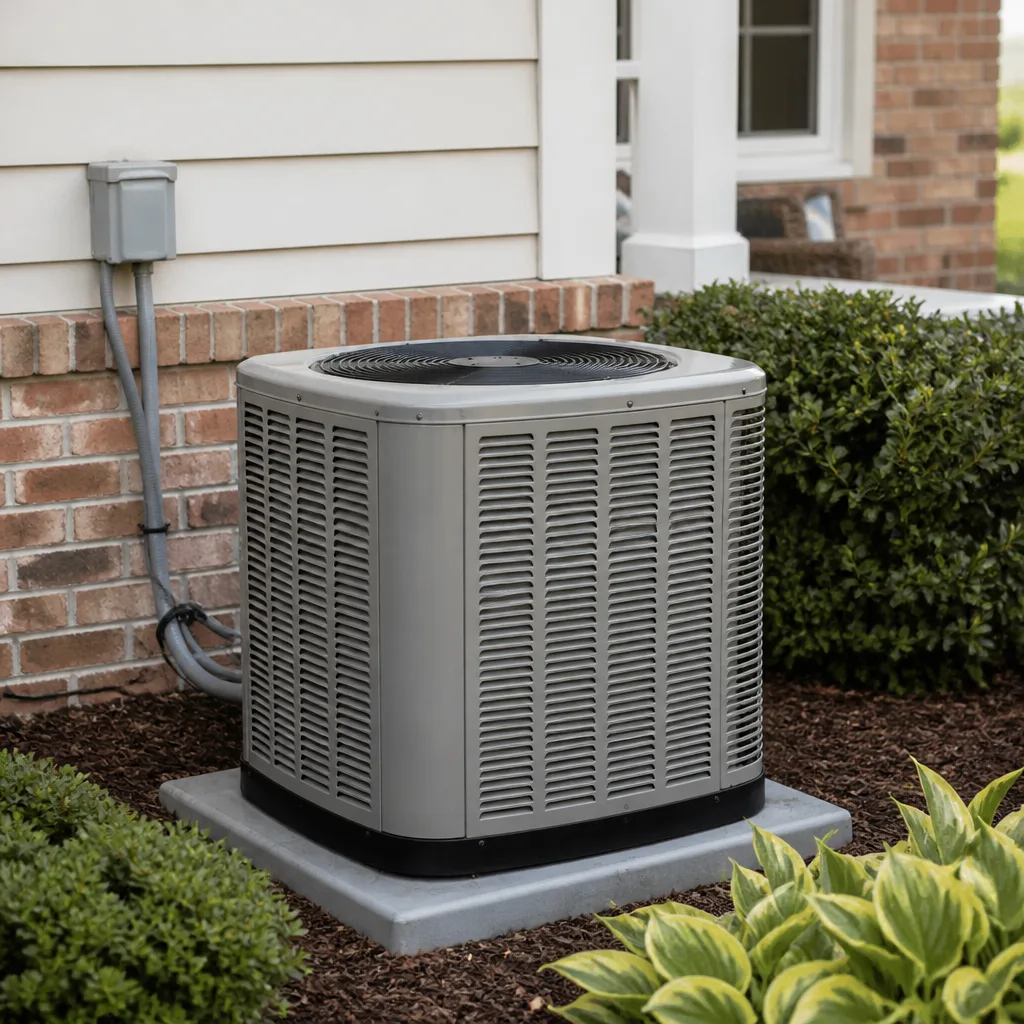 AC repair
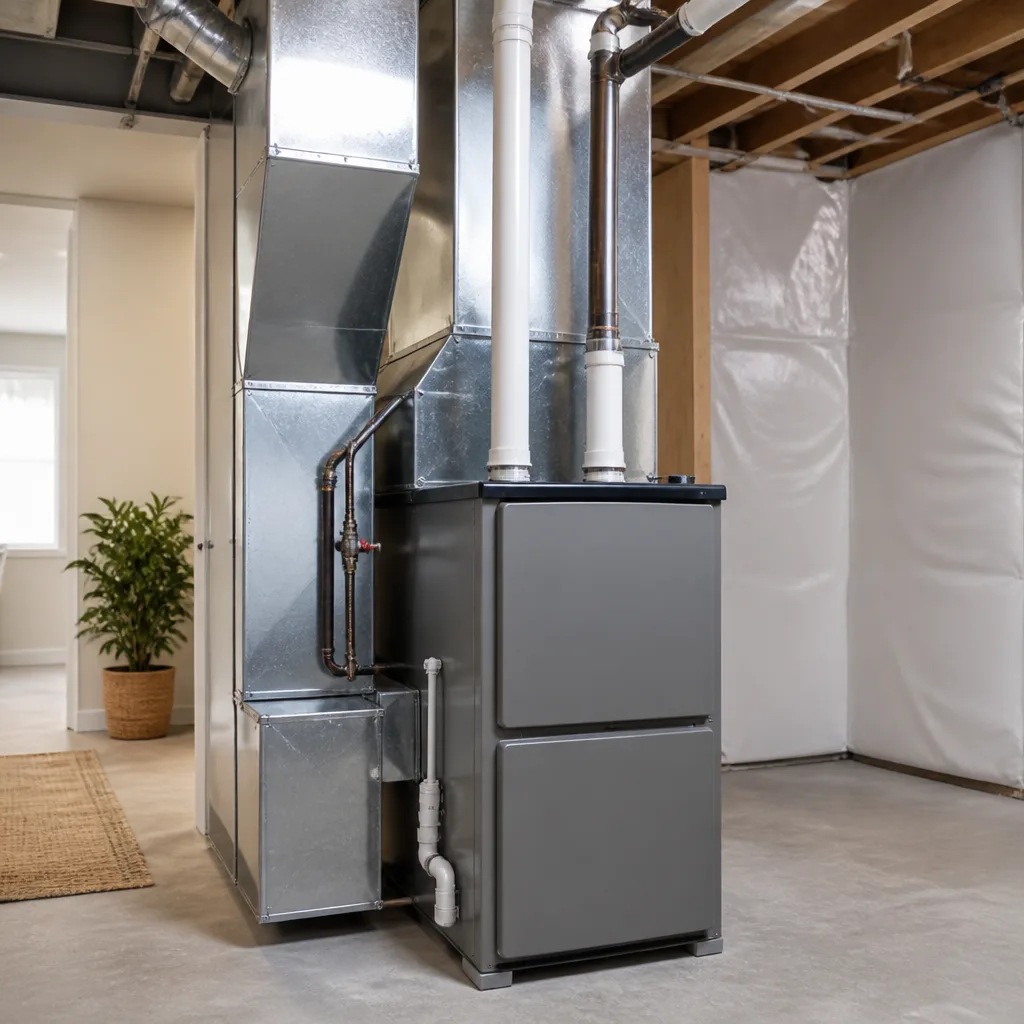 Furnace & heating
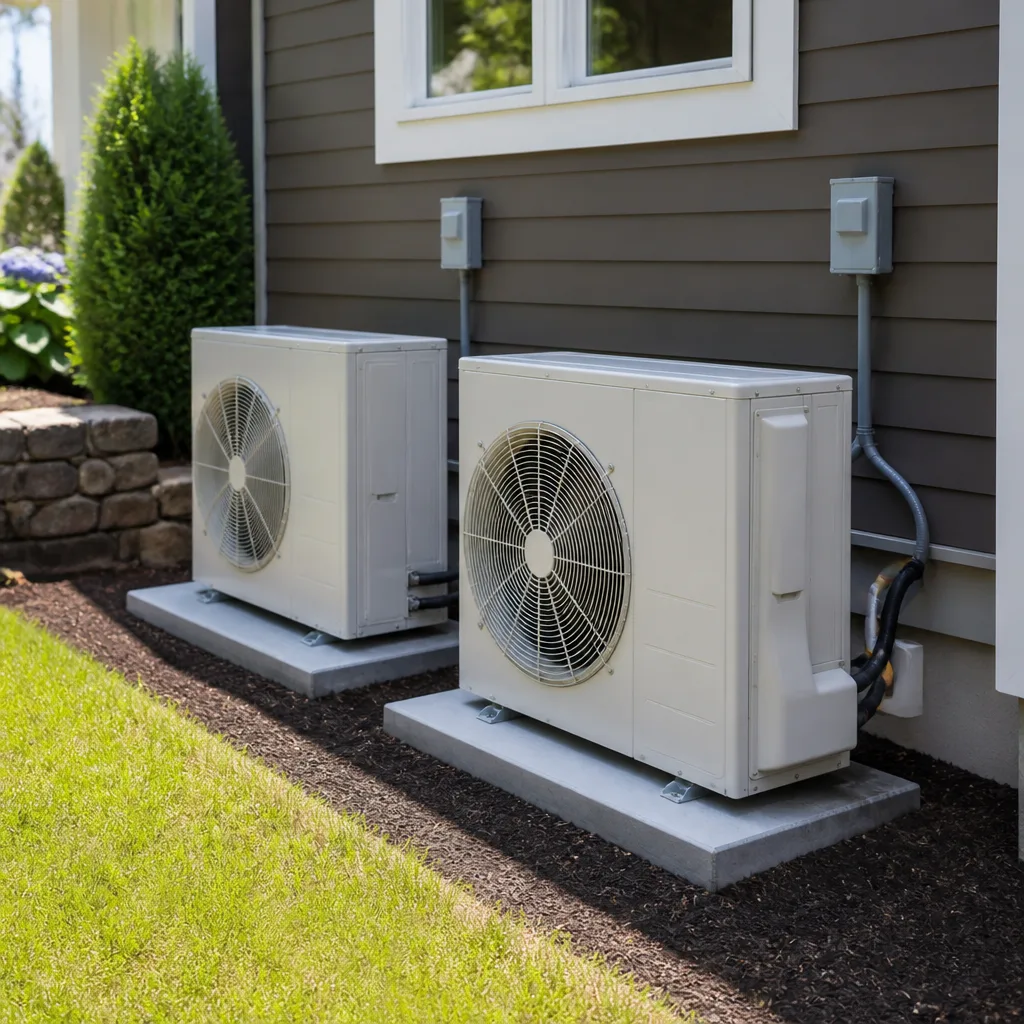 Heat pumps
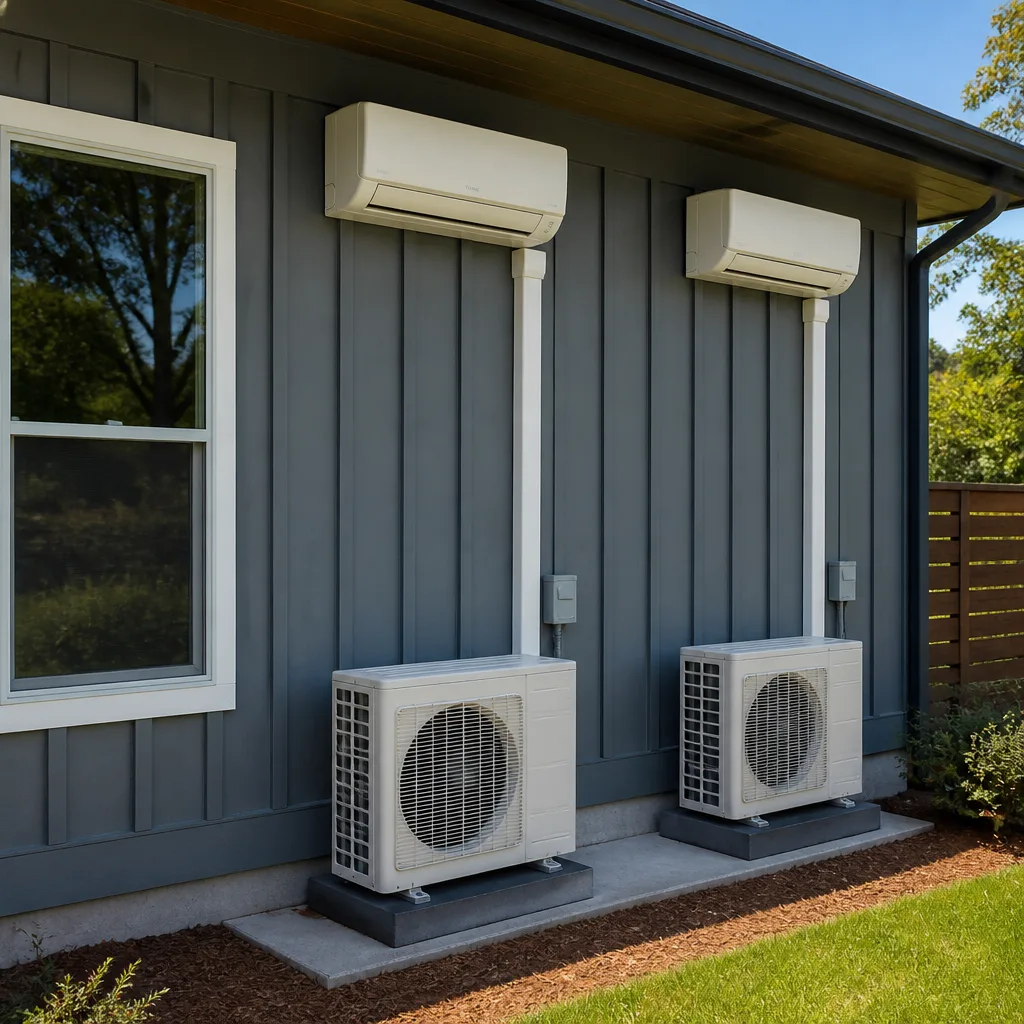 Ductless mini splits
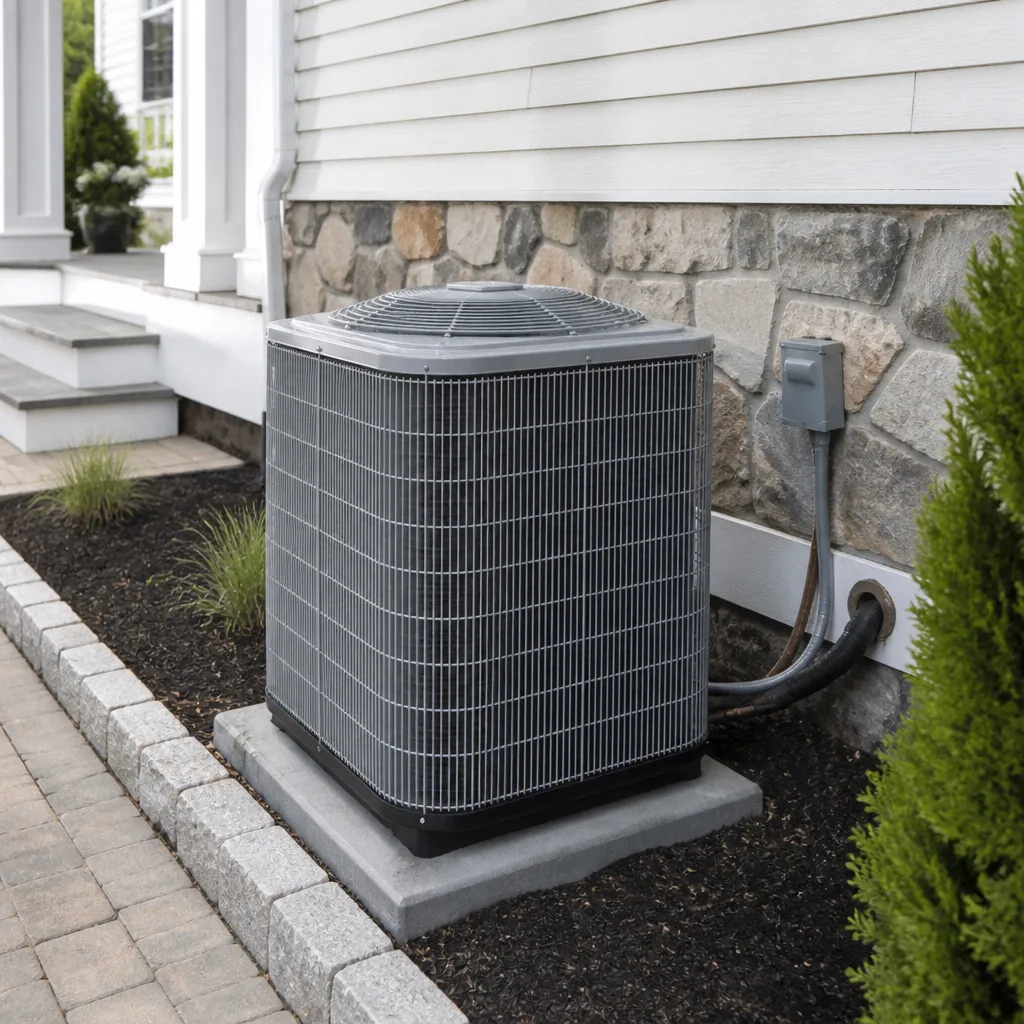 Carrier
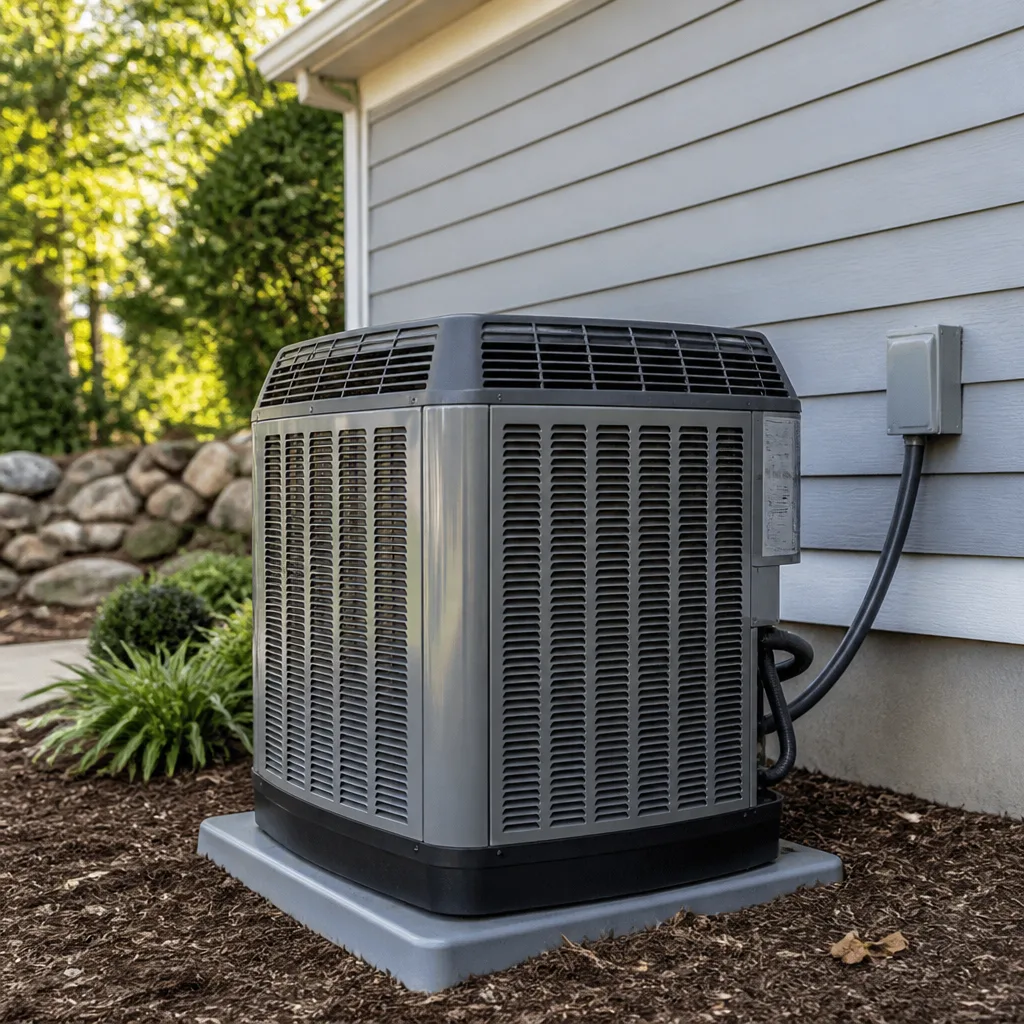 Trane
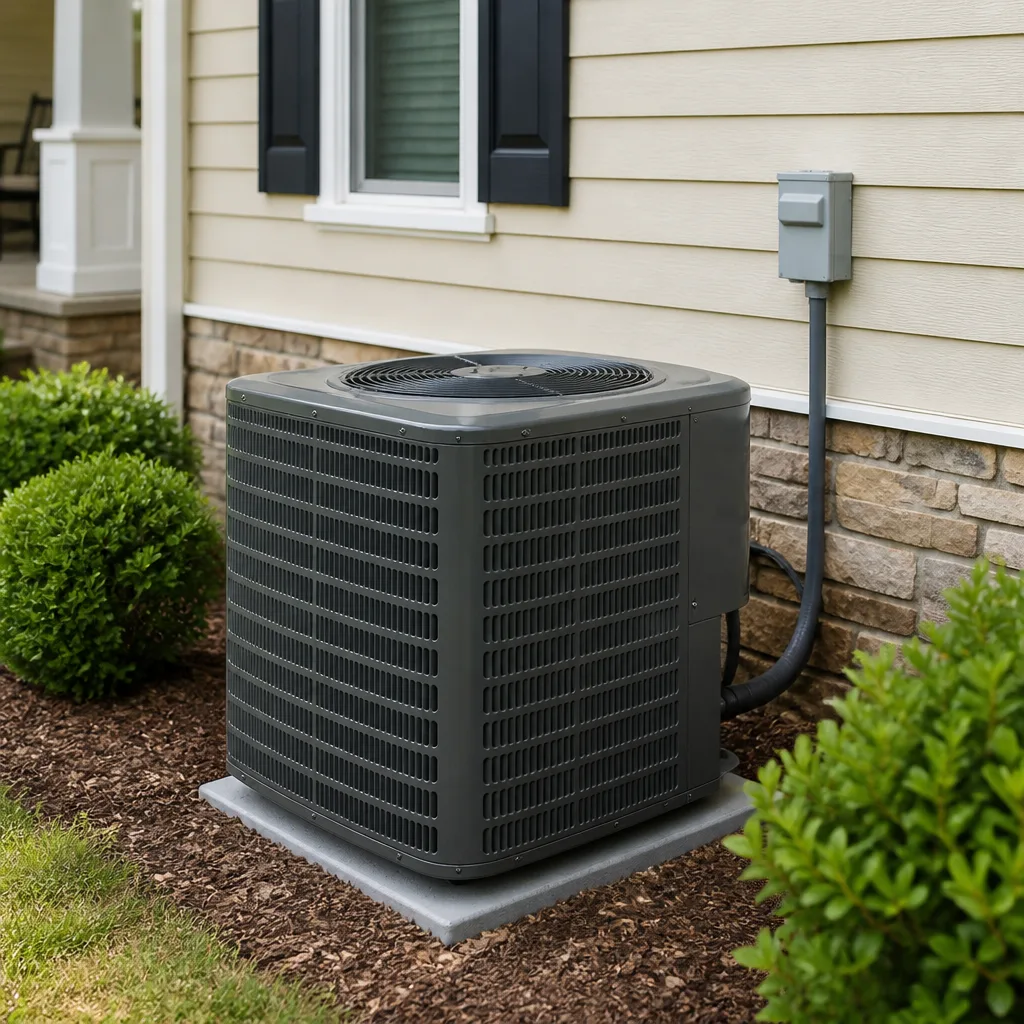 Goodman
Seasonal tune-up and full diagnostic on your Carrier, Trane, or Goodman system - readings shown to you before any repair is proposed
Diagnosis first, numbers second - you approve the repair price before a single part goes in.
Get your free estimateSeasonal HVAC Care for Pembroke Pines: Year-Round Homeowner’s Guide
Most homeowners here assume August is the month that kills an air conditioner. In our experience, it’s May. That’s when a system that coasted through a mild winter gets switched on for the first real heat, meets peak spring humidity head-on, and starts showing every problem it developed quietly over the cool months. May is also when a lot of Pembroke Pines families discover a failing capacitor or a clogged drain line on the hottest weekend of the year, with every other household in the neighborhood calling for help at the same time.
Pembroke Pines doesn’t really have four seasons. It has four distinct periods of demand on your heating and cooling system, and each one asks something different of your equipment. Treat the whole year as one long hot stretch and your system runs harder than it needs to, breaks more often, and costs more to operate. This guide maps those four phases to the tasks that actually matter in each, so you can get ahead of problems instead of chasing them.
Quick Answer
Year-round HVAC care in Pembroke Pines means matching maintenance to four real stress periods: a pre-summer ramp from March to May, peak load from June to September, a hurricane recovery window in October, and a mild-season efficiency stretch from November through February. Each phase has its own tasks, from a pre-season coil check in spring to outdoor unit anchoring and a post-storm restart sequence before hurricane season to humidity management in the cooler, drier months. Doing the right task at the right time keeps your system running efficiently and catches small issues before they become expensive ones.
Styles & brands we work with
- AC repair
- Furnace & heating
- Heat pumps
- Ductless mini splits
- Carrier
- Trane
- Goodman
Table of Contents
- Why Pembroke Pines Has Four HVAC Phases, Not Four Seasons
- Phase One: The Pre-Summer Ramp (March to May)
- Phase Two: Peak Load Season (June to September)
- Phase Three: The Hurricane Recovery Window (October)
- Phase Four: The Mild-Season Efficiency Period (November to February)
- Managing Indoor Humidity in the Dry Season
- Using Your Utility Bill as a Seasonal Performance Benchmark
- When Seasonal Care Isn’t Enough
Why Pembroke Pines Has Four HVAC Phases, Not Four Seasons
Pembroke Pines sits in a part of South Florida where the calendar and the weather don’t line up the way they do up north. There’s no long cold stretch where the system sits idle. There’s no spring thaw. And the cooling season isn’t a neat three-month block. What actually happens is a shape: demand ramps up through spring, plateaus high through summer, then gets interrupted by hurricane season before settling into a drier, milder stretch where the system still runs almost every day but with less strain.
That shape matters because a system that fails usually fails at the moment of transition, not in the middle of a stable period. The first hot week in May catches people who never tested their cooling. The first real storm threat in late summer catches people who never looked at how their outdoor unit was anchored. And the first cool, dry front in November catches people who assume their system needs nothing because the heat isn’t on.
Here’s how the four phases line up and what each one asks of you:
- Pre-summer ramp (March to May): wake-up checks, coil and drain cleaning, filter changes, and testing the system under load before it’s needed every day.
- Peak load season (June to September): defense, not renovation. Filters, drain line checks, and prompt repair when something slips.
- Hurricane recovery window (October): outdoor unit anchoring, surge protection, and a post-storm restart sequence.
- Mild-season efficiency period (November to February): humidity management, lower-load tune-ups, and planning for the next cooling season.
You don’t need to become an HVAC technician to use this guide. You need to know what to look at and when, and to recognize the handful of signals that mean it’s time to bring in someone qualified. That’s what the rest of this guide covers, phase by phase.
Phase One: The Pre-Summer Ramp (March to May)
This is the most important phase of the year for a Pembroke Pines home, and it’s the one most people skip. Spring here is warm enough that your system starts running regularly, but it’s not yet pushing hard enough for problems to announce themselves loudly. That’s actually the ideal window to catch them. A weak capacitor, a partially clogged drain line, or a refrigerant issue that’s still small can all be found and fixed in spring before the system is working under peak load.
The core spring tasks:
- Change the air filter. A filter loaded with winter dust forces the blower to work harder from the very first week of cooling season. Check it in March, not June.
- Test the system early. Run the air conditioning for a full cycle on a warm March or April day. You want to feel cold air and hear the outdoor unit start cleanly.
- Look at the outdoor unit. Clear any leaves, lawn clippings, or debris that collected over the cooler months, and make sure the coil fins are visible and unobstructed. A dirty outdoor coil in a humid climate is one of the most common causes of poor cooling.
- Check the drain line. In a humid climate, the condensate drain works constantly. A slow clog in spring becomes an overflow and a water-damage problem by July.
- Listen and note. If you hear rattling, humming, or a compressor that short-cycles, write it down and get it looked at now rather than in July.
If you’re planning a bigger move, spring is also the natural time to think about ac installation. A new system sized and installed before peak season gets its first real workout when the cooling load is heaviest, which is exactly when you want to know it’s right. Waiting until August to replace a failing unit means older equipment struggles through the worst of the year first.
One more thing about May specifically: it’s the month when a system that ran without complaint all winter meets its first sustained humidity. If your home starts feeling clammy while the thermostat still reads comfortably, that’s a sign the system is running but not removing moisture the way it should. That’s worth a look before June.
Phase Two: Peak Load Season (June to September)
Once summer is fully on, the goal shifts. This is not the time for big maintenance projects or major upgrades. It’s the time to keep the system running clean and catch failures early. In a Pembroke Pines summer, the system is running most of the day, every day, and small problems compound fast under that load.
What peak-season care actually looks like:
- Filters monthly. In heavy use, a filter can load up in four weeks. Check it at the start of each month and change it when it’s visibly dirty.
- Watch the drain again. Summer is when a slow drain clog turns into water on the floor. Check the condensate line every few weeks.
- Keep the outdoor unit clear. Trim back shrubs and clear debris so air moves freely through the coil. An outdoor unit that can’t breathe runs hotter and less efficiently.
- Note any change in performance. A room that used to cool well and now doesn’t, a system that runs longer than it used to, or an unusual noise are all worth acting on before they become a breakdown.
- Don’t over-set the thermostat and expect faster cooling. Dropping the thermostat several degrees below your target won’t cool the house faster. It just runs the system longer than it needs to.
When something does fail in peak season, speed matters. A system that quits during a stretch of high heat and humidity isn’t a minor inconvenience; for older residents or anyone with health concerns, it’s a genuine safety issue. That’s when you want a fast diagnosis and an honest call on whether it’s a repair or a replacement. We answer 24/7, and we offer same-day service because a failed system in a Pembroke Pines summer is a real problem, not a scheduling inconvenience.
Peak season is also when we see a lot of systems that were “fixed” but not diagnosed. A technician who only tops off refrigerant without finding the leak, or replaces a part without checking why it failed, will be back. A proper diagnosis on the front end saves you a second visit.
Phase Three: The Hurricane Recovery Window (October)
Most homeowners in Pembroke Pines think about hurricane prep in terms of shutters, water, and generators. Your HVAC system belongs on that list, and October – after the worst of peak cooling load but still within the storm season – is when to handle the pieces that get overlooked.
There are three things to look at, and they’re not the same as the routine summer maintenance:
- Outdoor unit anchoring. Your condenser sits outside and has real weight and surface area. If it isn’t properly anchored to its pad, high wind can shift it or become a hazard. This is a straightforward check but one most people never make.
- Surge protection. Storm-related power surges and outages are hard on the electrical components in your system, including the compressor and the control board. Surge protection at the equipment level is worth discussing with a qualified technician.
- A post-storm restart sequence. After a power outage, don’t just flip the thermostat back on and walk away. Check the outdoor unit for debris or standing water, confirm the breaker hasn’t tripped, and then run the system while you’re home to listen for anything unusual. If something sounds wrong, shut it off and call.
This is also the point in the year to do a durability review. We service a wide range of equipment, from Remington AC Repair‘s certified brands like Daikin and Carrier to American Standard and others, and one thing holds true across all of them: a system that got through peak season still needs a check after it, because the wear from those months shows up now. A cracked capacitor or a stressed contactor in October is a repair. The same part failing in July is a repair plus a night without cool air.
Storm recovery work is where an honest assessment matters most. After a stressful season, it’s easy to accept a recommendation to replace a whole system when a repair would do. It’s just as easy to skip a check because the system seems fine. A technician who works on the equipment itself, not just one brand, can tell you which situation you’re actually in.
Phase Four: The Mild-Season Efficiency Period (November to February)
Here’s the phase that trips people up. When the heat eases and the air feels pleasant outside, homeowners assume the HVAC system can rest. It doesn’t. In Pembroke Pines, the system still runs most days through the cooler months; it just runs with far less strain. That reduced load is exactly what makes this the best window of the year for the work you can’t do in July.
What the mild season is good for:
- A proper tune-up under low load. A technician can check refrigerant charge, measure airflow, inspect electrical connections, and test the system without the pressure of peak demand. Issues found now can be fixed before spring.
- Furnace checks for homes that have one. Even in a mild climate, some Pembroke Pines homes have gas or electric heating. Before the first cool snap is the time to make sure the heat actually works, not the night you need it. If something is wrong, that’s when furnace repair is straightforward, not urgent.
- Planning replacements. If your system is aging and you know it, the mild season is the time to plan an upgrade rather than react to a summer breakdown. A replacement done now gets tested and dialed in before it’s asked to carry a full summer.
- Duct and envelope checks. Low-load months are a good time to look at whether your home is holding cool air efficiently, since problems are easier to isolate when the system isn’t maxed out.
This is also a good stretch to revisit the whole picture for your home. If you’re not sure whether your current system is the right size, the right age, or the right brand for the way you use your home, that’s a conversation worth having now. We’re happy to walk through a Pembroke Pines home’s setup and give you a straight answer about what makes sense, whether that’s keeping what you have or planning a change.
Managing Indoor Humidity in the Dry Season
South Florida’s cooler months are also its drier months, and that changes how your home feels inside in a way a thermostat alone won’t tell you. When outdoor humidity drops, your air conditioner runs less often, which means it removes less moisture from the air indoors. The result for some homes is a strange combination: comfortable temperature, but air that feels stuffy or slightly clammy, especially in the evenings or on cooler days.
That’s not a sign your system is broken. It’s a sign your cooling system’s dehumidification is tied to how much it runs, and in the mild season it runs less. For many Pembroke Pines homes this is fine. For others, particularly homes that feel damp or develop musty odors, supplemental dehumidification is worth talking about.
Things to notice during the mild season:
- Sticky or clammy feeling even when the thermostat reads a comfortable temperature.
- Musty or stale odors in rooms that don’t get much airflow.
- Condensation on windows or cool surfaces on humid mornings.
- Sleeping discomfort that doesn’t match the temperature.
If you’re seeing these, a conversation with a technician about your system’s humidity control is worthwhile. There are approaches that help a home hold a comfortable humidity level even when the cooling system is running less, and a proper assessment starts with understanding your specific home. It’s not something to guess at, and it’s not a sales pitch – it’s a real comfort question that a qualified technician can answer.
Using Your Utility Bill as a Seasonal Performance Benchmark
Your electricity bill is the most honest report card your HVAC system produces. Most homeowners read the total and move on. What’s actually useful is the shape of the bill across the year, compared to the shape it should have for a healthy system, and compared to your own history. You don’t need a special tool. You need to save a year of bills, or at least glance at them each month and notice the pattern.
Saving energy is one of the reasons a well-timed tune-up matters, but the benchmark is what tells you when to act. Here’s what a properly functioning system’s usage curve should roughly look like across the four phases:
- March to May: usage climbs as cooling comes back on. A sharp, early spike in spring often points to a system working harder than it should – a dirty coil, a low charge, or a failing part.
- June to September: the highest stretch of the year. Usage should be high but relatively flat and predictable. Sudden jumps compared to the same weeks last year are a signal to get the system checked.
- October: usage should drop as peak load eases. If it doesn’t, run a check for a system that’s working harder than conditions warrant.
- November to February: the lowest usage months. If they aren’t the lowest, and you haven’t changed anything else, a tune-up can find the reason.
You don’t need to be exact. The point is to notice the shape. A bill that’s climbing when it shouldn’t be is one of the earliest signals a system gives, and it usually arrives before the comfort problem does. That’s the value of tracking it – it lets you act on a small issue rather than waiting for a breakdown. If the pattern looks off, a technician can compare the system to how it’s actually running and tell you what’s going on. That’s a far better use of your attention than staring at a single high bill and guessing.
When Seasonal Care Isn’t Enough
Seasonal maintenance handles a lot, but there are times when the right move is to bring in a trained technician. Here are the specific situations where we’d say don’t wait: your system is blowing warm air in cooling mode, or cool air in heating mode; it’s short-cycling or running constantly and never quite reaching the set temperature; you hear grinding, screeching, or repeated clicking from the outdoor unit; you see water pooling around the indoor air handler or the drain line; the breaker trips when the system starts; or you’re planning a replacement and want a real assessment of what your home actually needs.
Some of these are safety matters. Anything involving the electrical components, the compressor, or a gas furnace is genuinely a job for a trained professional, and it’s not a place for trial and error. We work on the equipment itself, which matters when your system is one of the brands we’re certified to service – from Carrier and Daikin to Bryant and American Standard – so we’re diagnosing your system on its own merits rather than steering you toward one brand. Our technicians have up to 15 years of experience, and Remington AC Repair offers free estimates in Pembroke Pines – call (866) 237-6150. We answer 24/7. Fast dispatch from 7am to 7pm, Sunday through Friday.
See the difference
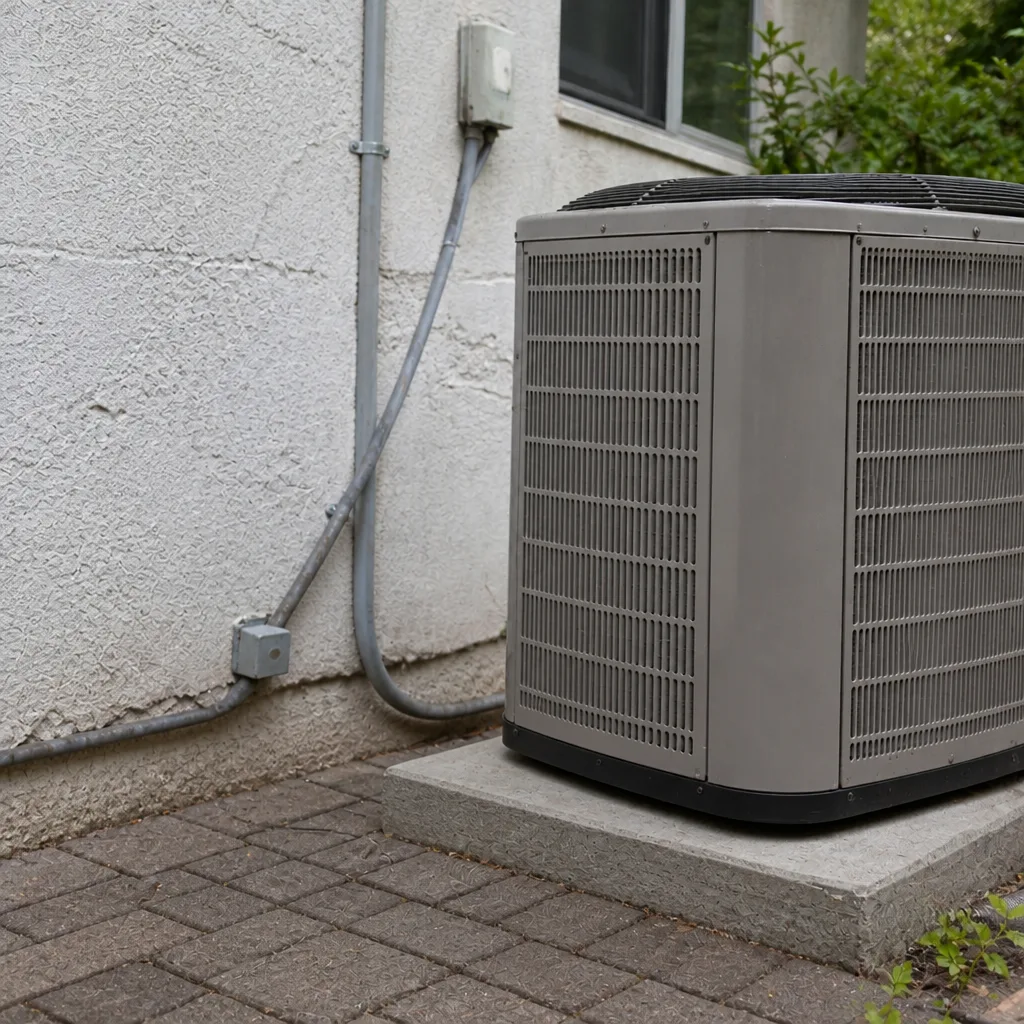
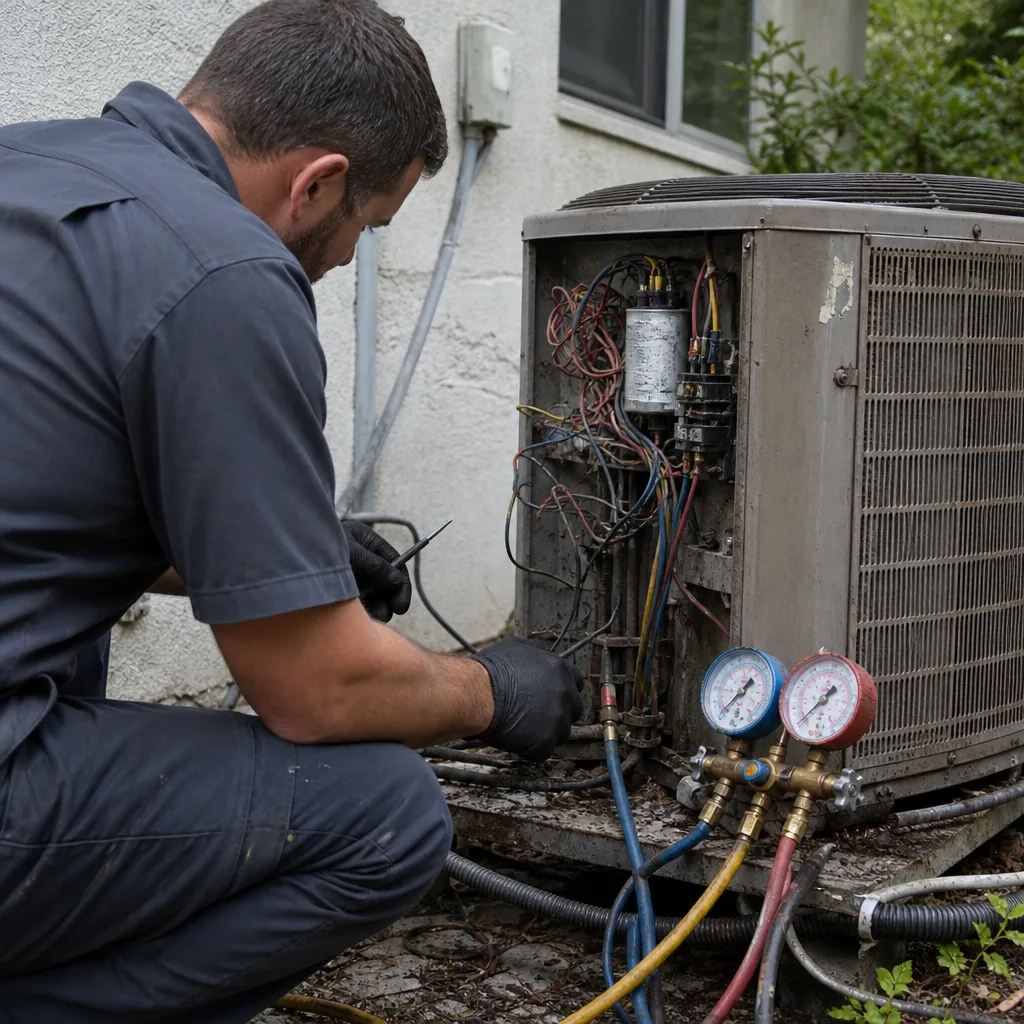 Before
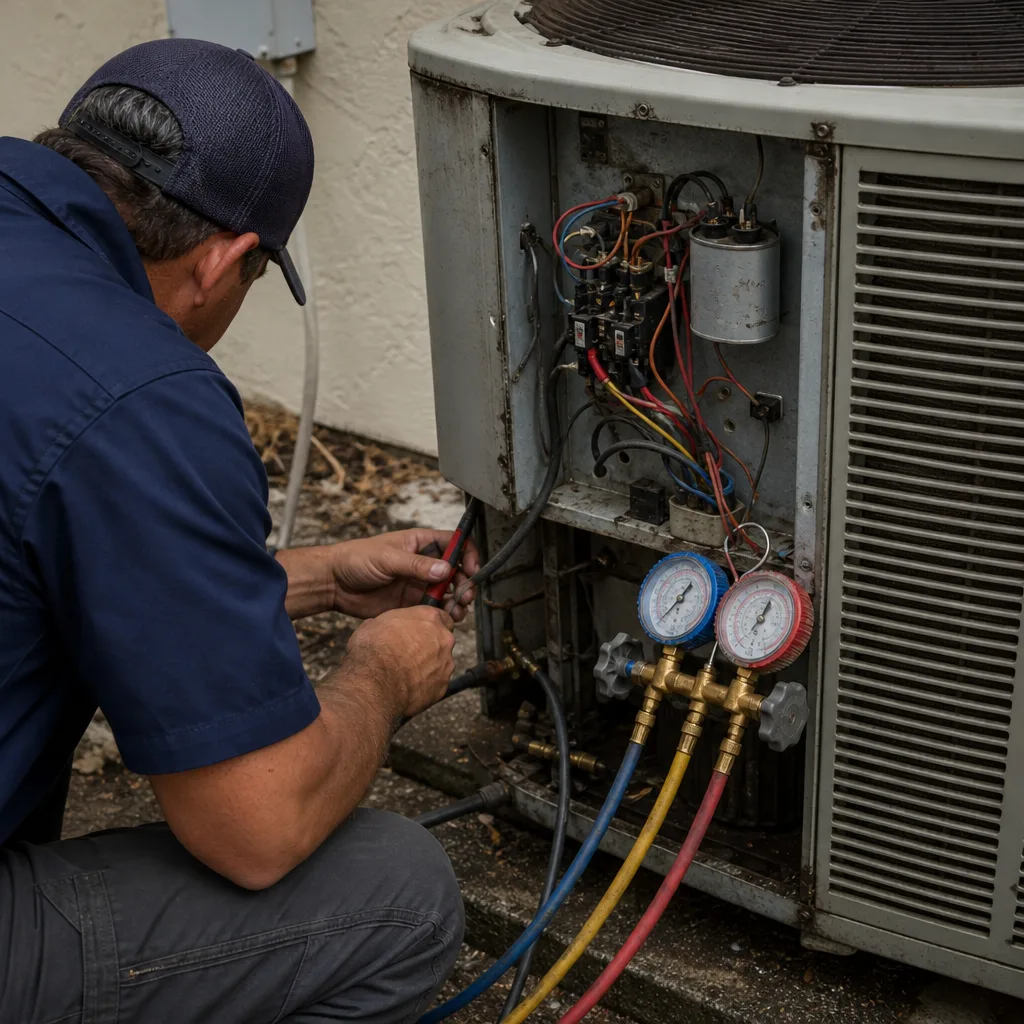
 After
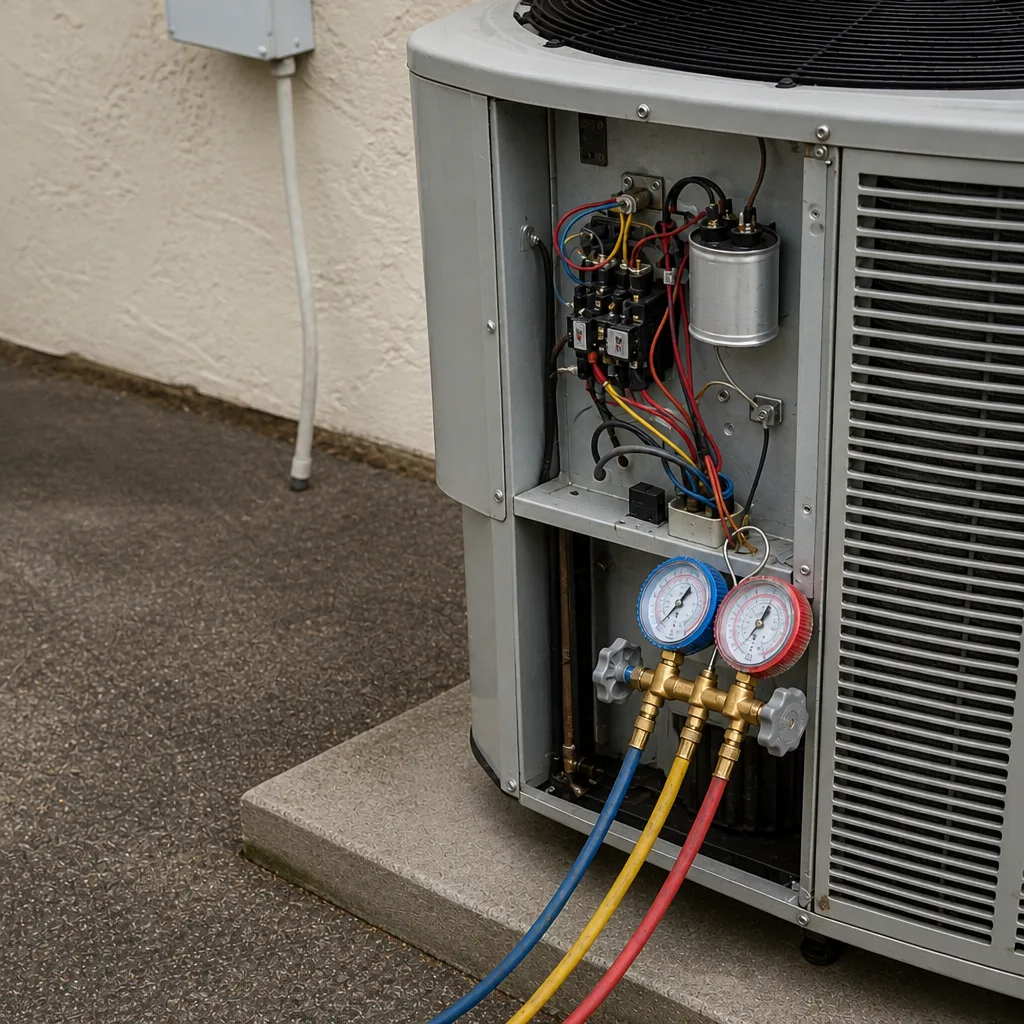
 Before
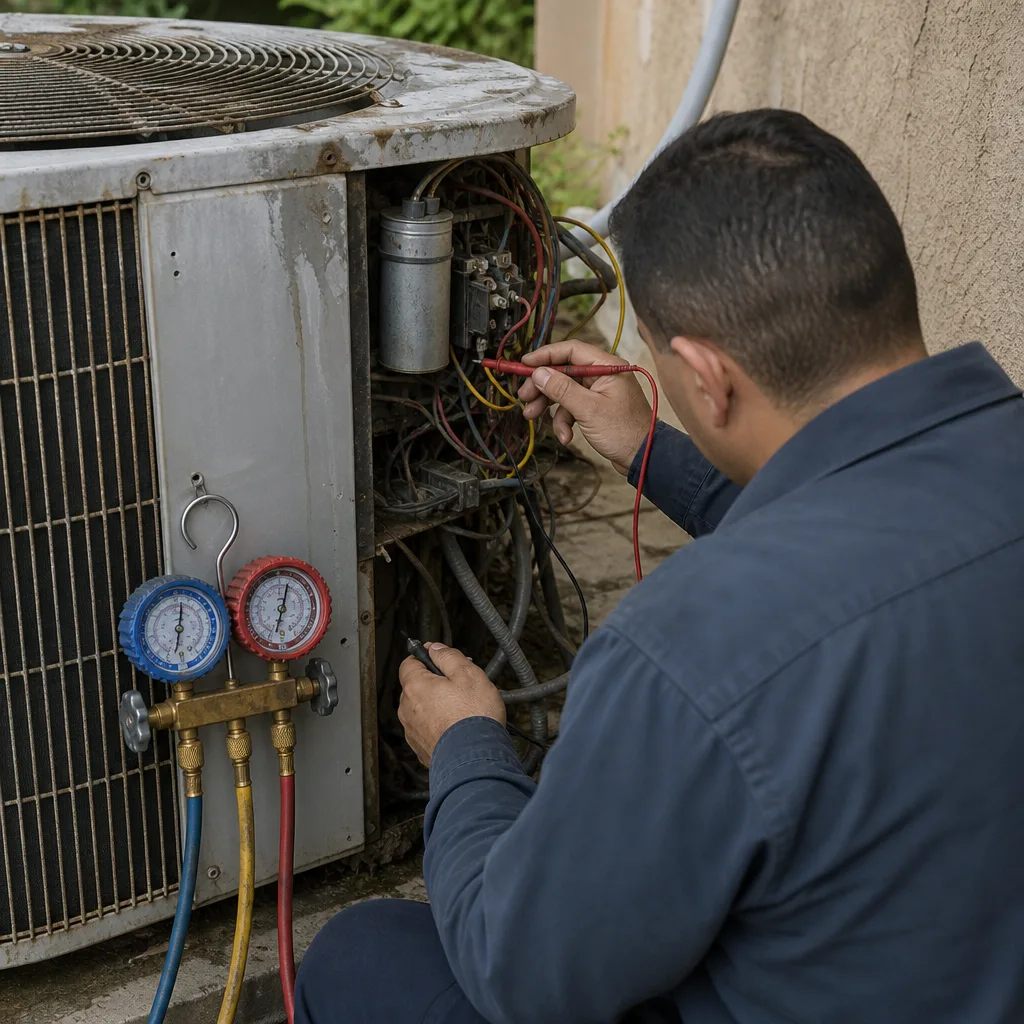
 After
 Before
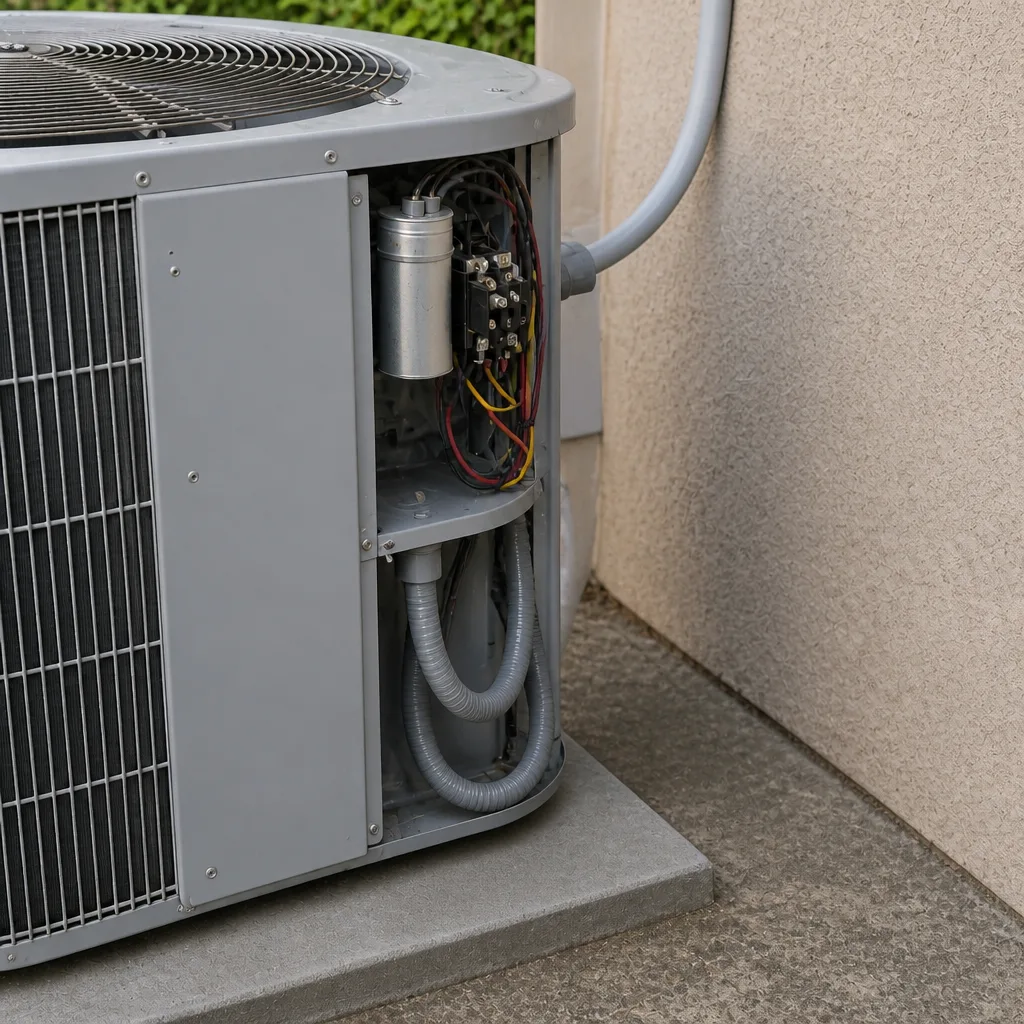 After
Common Mistakes to Avoid
- Skipping the spring check. Most Pembroke Pines HVAC failures reveal themselves in the pre-summer ramp, not in August. Spring is when a small problem is easiest and cheapest to catch. Miss it and the same problem meets peak load on its own terms.
- Treating the whole year as one hot season. A generic annual checklist doesn’t account for the actual stress pattern here. Each phase asks something different of your system, and matching the task to the phase is the whole point.
- Ignoring the cooler months. The system still runs in November through February. Skipping it during the load-light period leaves the work for when it’s harder to do.
- Cranking the thermostat to cool faster. Dropping the set point far below your target won’t speed up cooling. It just runs the system longer than the work requires.
- Overlooking hurricane prep for the system. Outdoor unit anchoring, surge protection, and a post-storm restart plan are HVAC tasks, not just shutters-and-generator tasks. They’re easy to skip because they never come up until they matter.
- Accepting a replacement recommendation without a real diagnosis. A system that’s failing in one part isn’t necessarily a system worth replacing. A trained technician should be able to tell you which is genuinely the right call for your home and your budget.
- Waiting for July to replace or repair. The mild season is the smart window for both. Waiting for a breakdown in the heat limits your options and puts more strain on the system you’re trying to protect.
Frequently Asked Questions
May is the most important month in our experience, because it’s when the system typically meets its first real combination of heat and humidity and reveals problems that built up over winter. A spring check in March or April is better than waiting until May, but if you only do one thing, get the system checked before the summer load arrives. Call (866) 237-6150 for a free estimate – we’ll tell you what your system needs before the hard season starts.
We’re certified to work on nine major HVAC brands, including Carrier, Trane, Lennox, Goodman, Rheem, York, Daikin, Bryant, and American Standard – which covers the vast majority of residential systems. Because we work across those brands, our recommendations are based on your home and budget rather than which brand we stock. Call (866) 237-6150 if you’re unsure whether we service your system.
Yes. The system still runs most days through November to February in Pembroke Pines; it just runs with less strain. That’s the best window for a tune-up, for checking the heating side if your home has one, and for planning a replacement. It’s also when indoor humidity can feel off even though the temperature is comfortable. A simple call and a check can catch issues before spring.
It is. Outdoor condenser anchoring, surge protection, and a post-storm restart sequence are all part of protecting your system through storm season, and the best time to handle them is the window around October before conditions turn. A technician can look at how your outdoor unit is secured and walk you through what to check after a power outage. Call (866) 237-6150 to schedule a check.
It depends on the system and the failure. A single component – a capacitor, contactor, or drain issue – is a straightforward repair. A failing compressor or a system at the end of its service life is a different conversation. The right answer requires a real diagnosis rather than a guess, and because we work across all major brands, our recommendation isn’t tied to selling you one. Call (866) 237-6150 for an honest assessment and a free estimate.
Pricing depends on the job, and the written estimate sets the final price. We don’t publish a flat fee, because a diagnosis, a repair, and a full system replacement are very different scopes. What we can say is that the estimate is free, and our technicians have up to 15 years of experience. Call (866) 237-6150 and we’ll talk through your system and what it needs.
The Bottom Line
Pembroke Pines doesn’t have four traditional seasons, but it does have four distinct HVAC phases, and each one asks something different of your system. Spring is for waking the system up and catching problems early. Summer is for defense and fast response when something fails. The October window is for hurricane prep and a post-storm restart plan. And the cooler months are for the tune-ups, the heating checks, and the planning you can’t do during peak load. The homeowners who do well are the ones who match their maintenance to the phase rather than treating the whole year as one long hot stretch. Call (866) 237-6150 for a free estimate and straight answers on your system. We answer 24/7, with fast dispatch from 7am to 7pm, Sunday through Friday.
Written by the team at Remington AC Repair.