
Last updated November 16, 2026
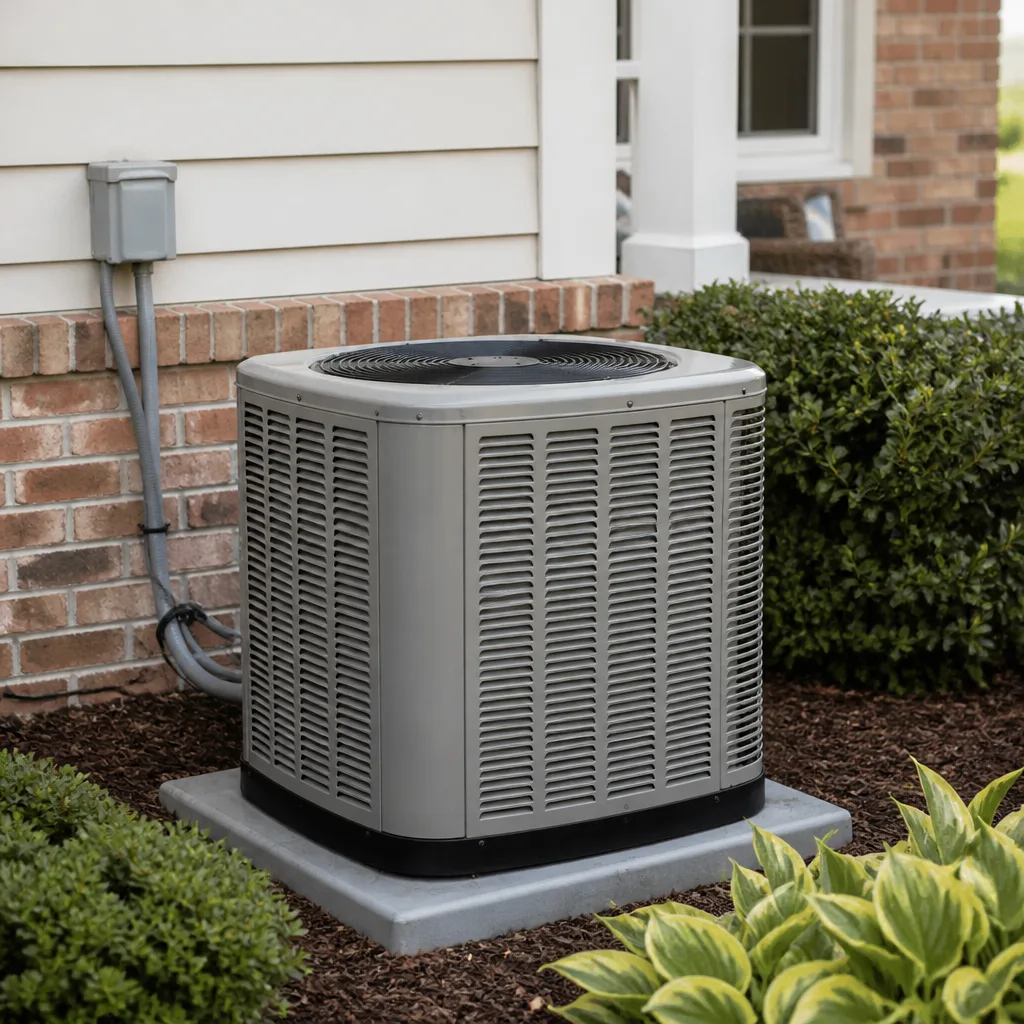 AC repair
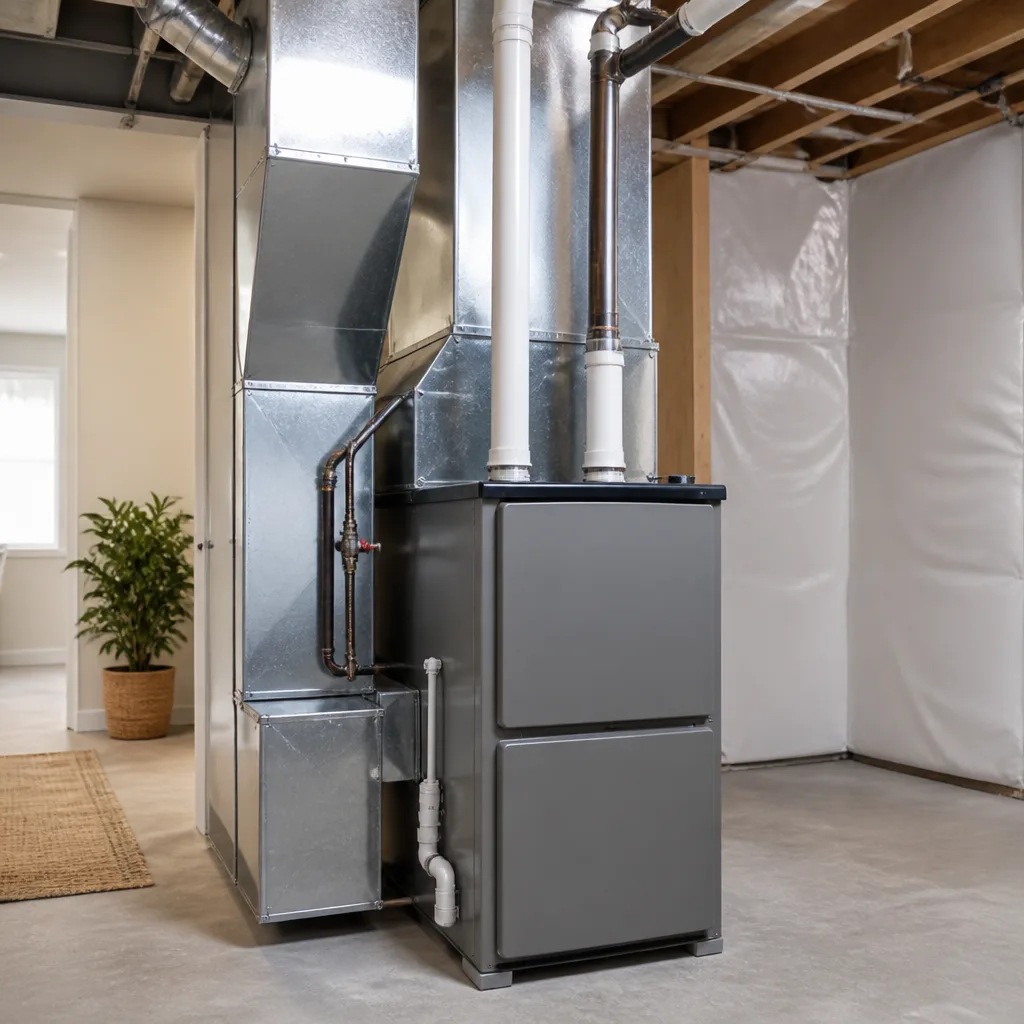 Furnace & heating
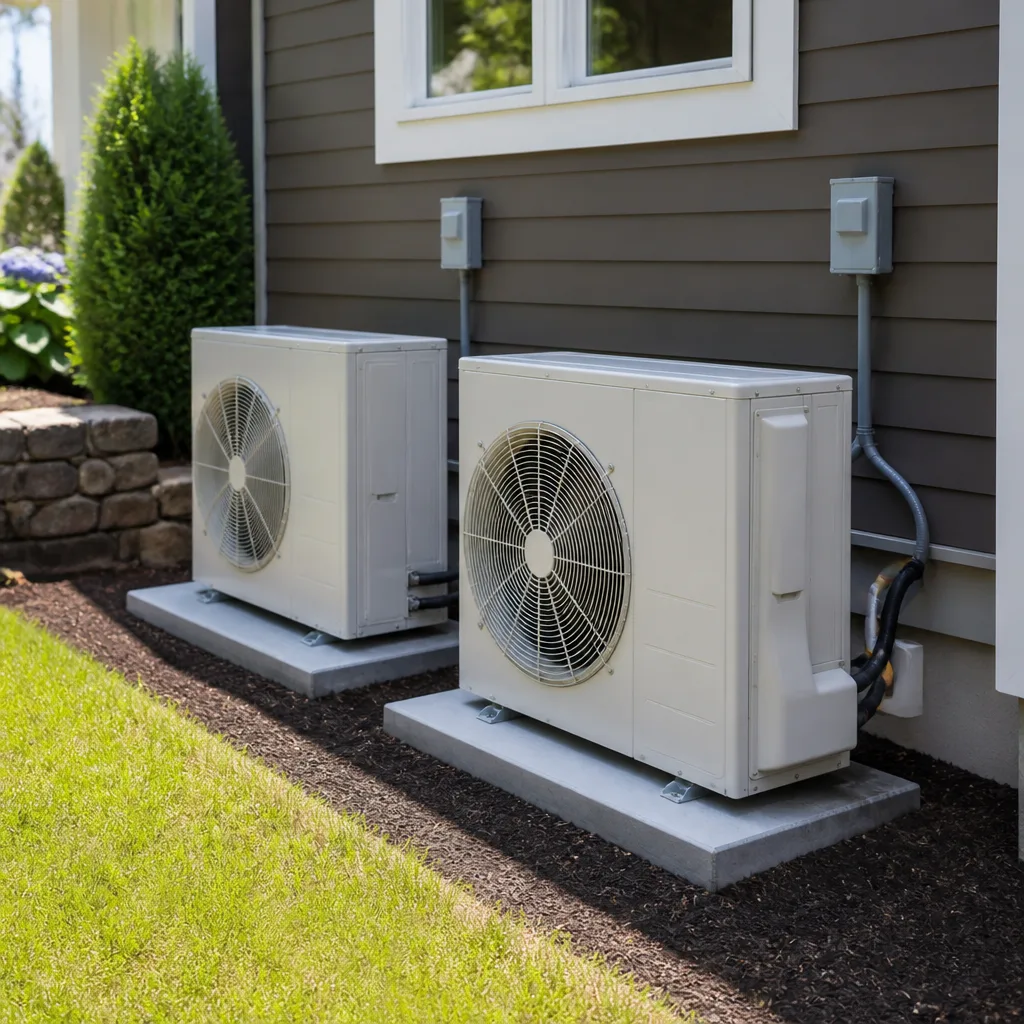 Heat pumps
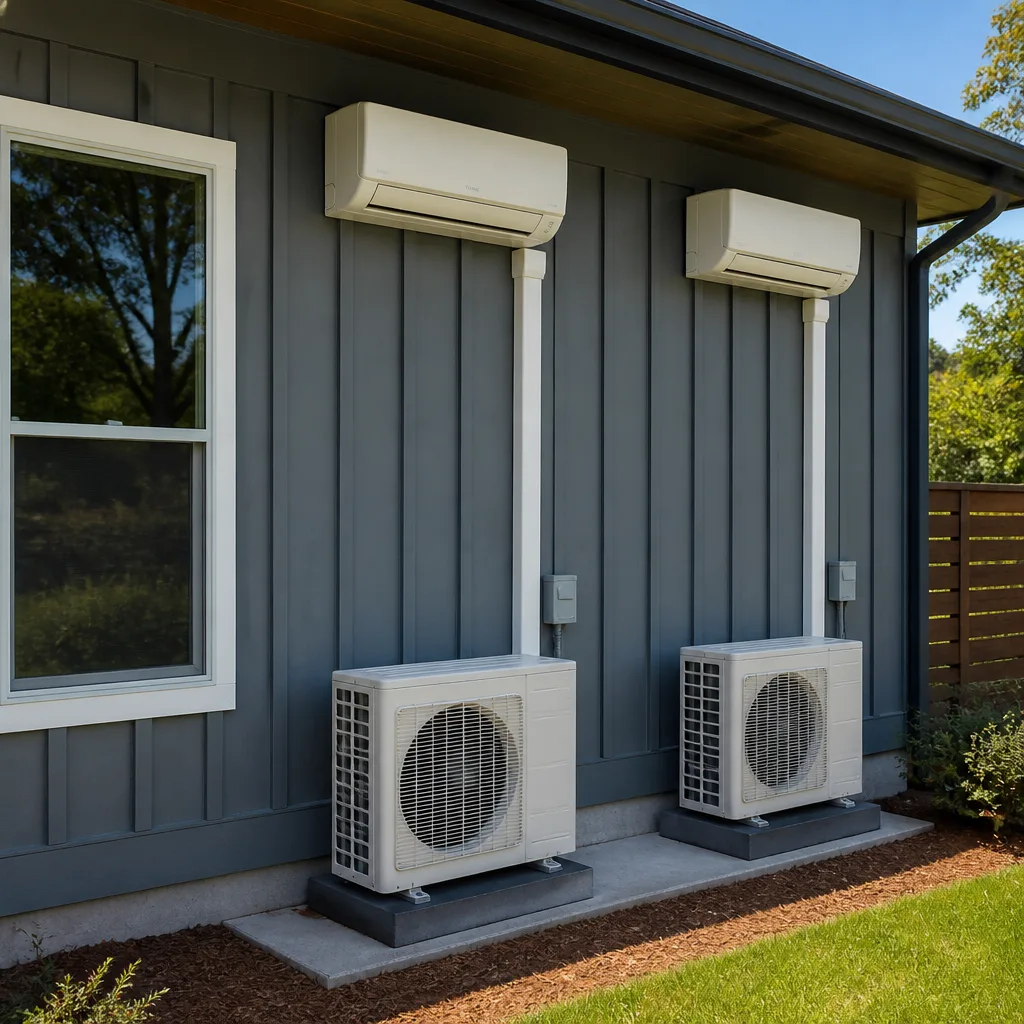 Ductless mini splits
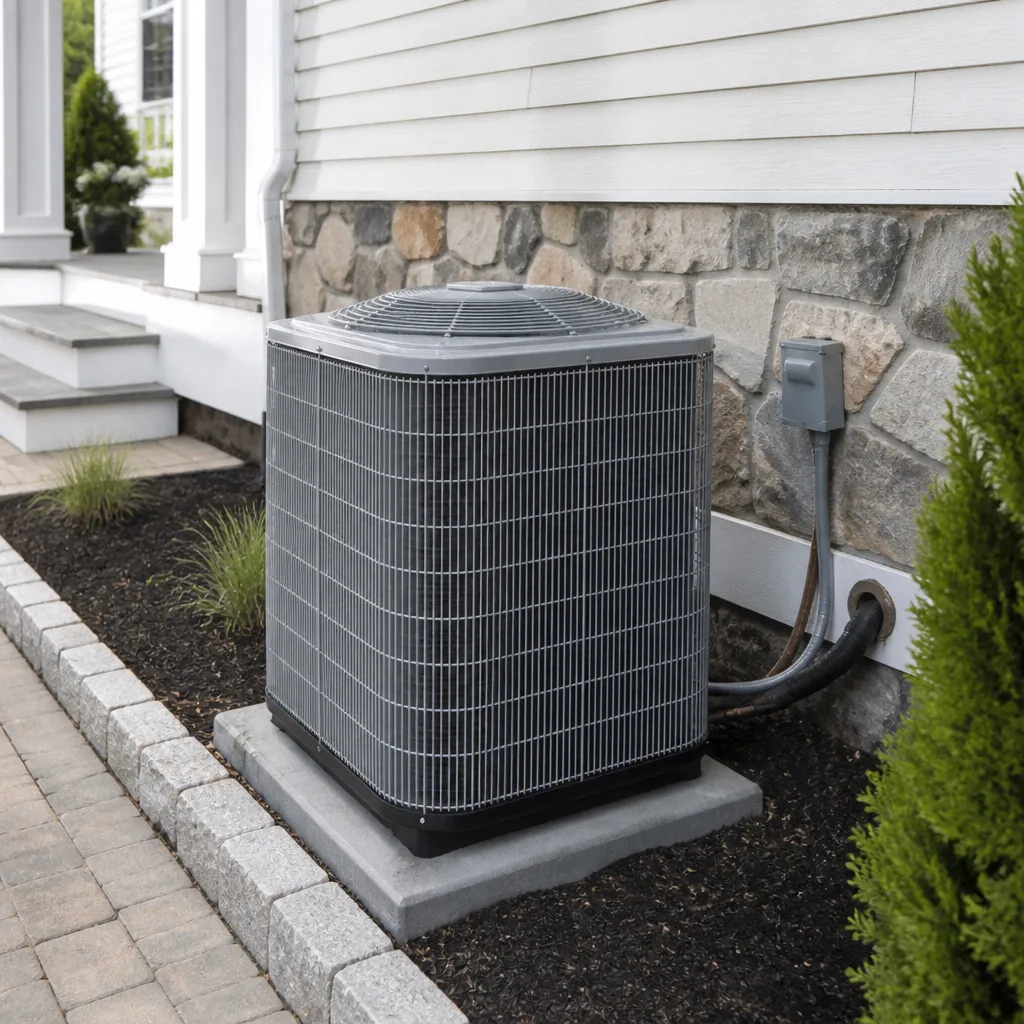 Carrier
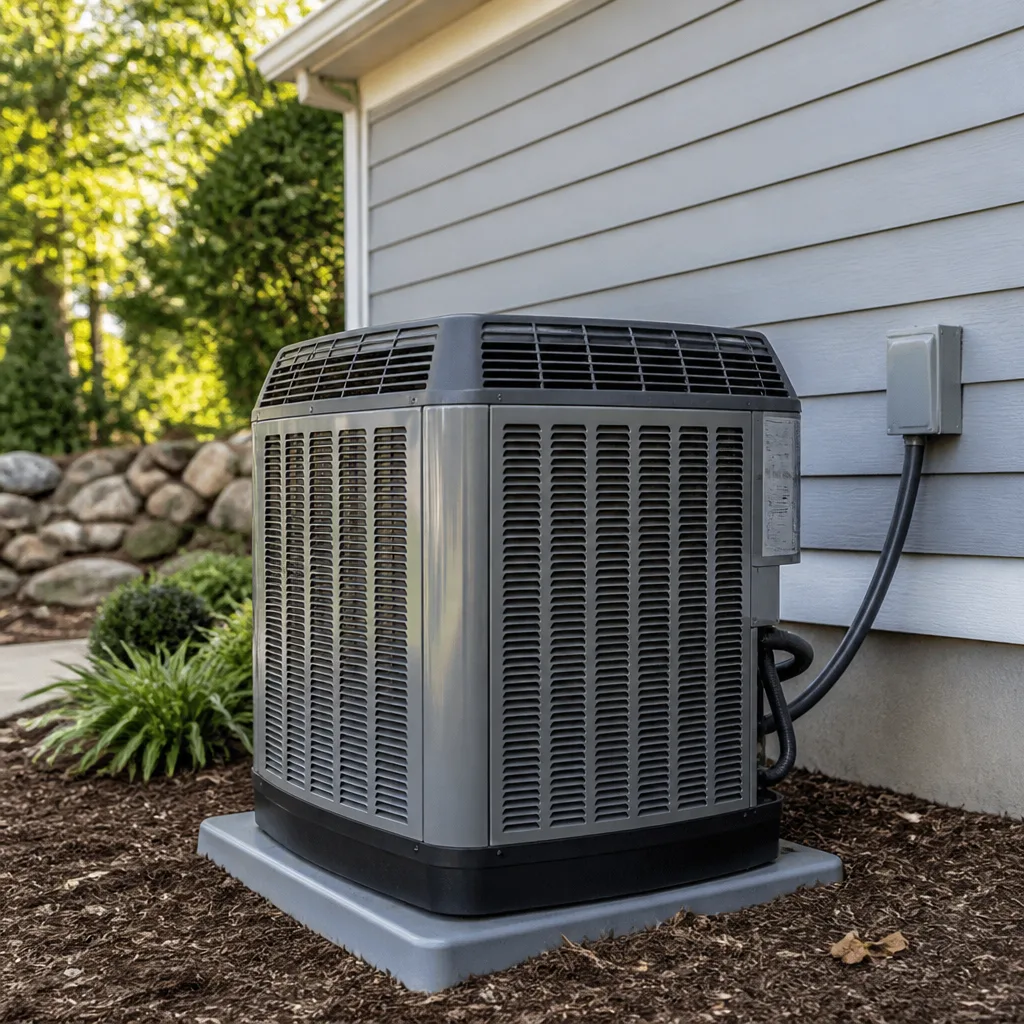 Trane
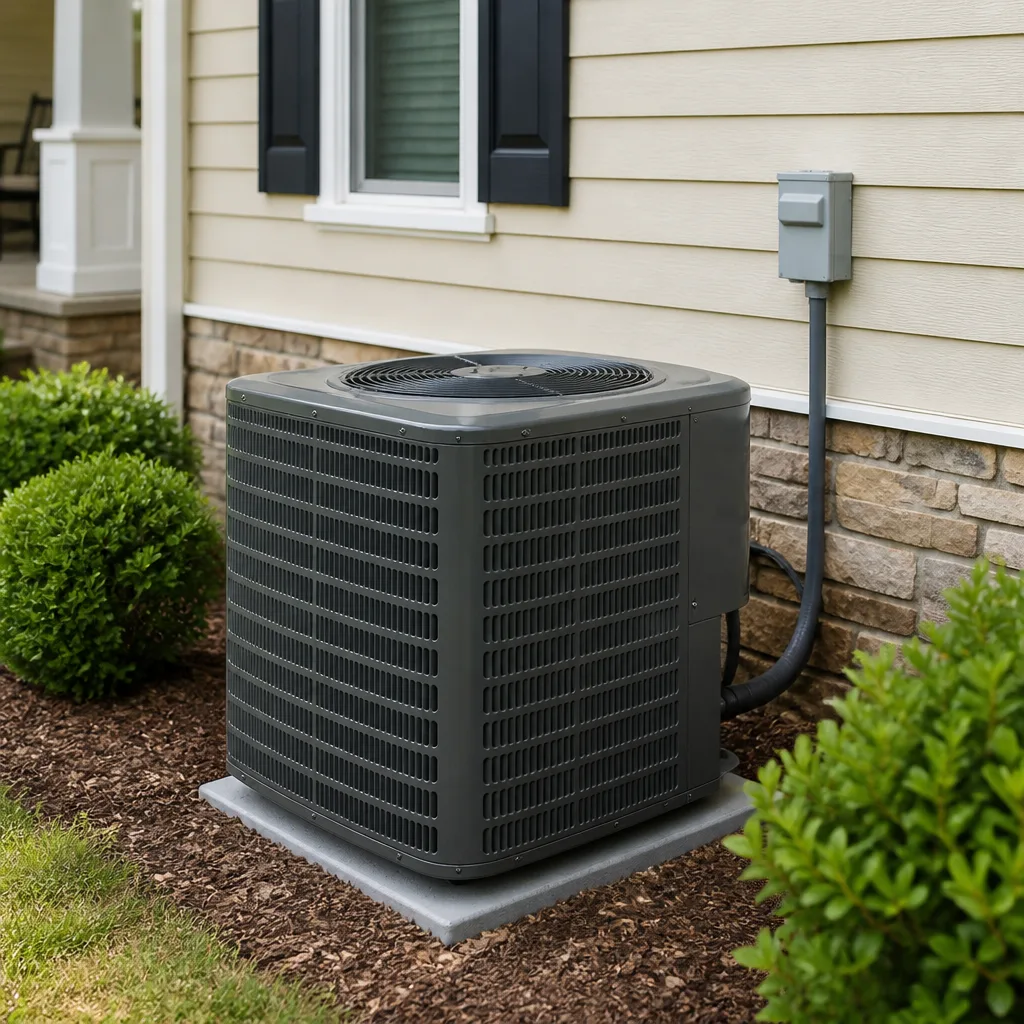 Goodman
Seasonal tune-up and full diagnostic on your Carrier, Trane, or Goodman system - readings shown to you before any repair is proposed
Diagnosis first, numbers second - you approve the repair price before a single part goes in.
Get your free estimateHVAC Permits, Codes & Inspections in Pembroke Pines, FL: What You Need to Know
Here’s the part most homeowners get wrong: a licensed contractor and a name-brand system don’t guarantee the work was permitted. In Pembroke Pines, HVAC permits are pulled (or skipped) at the job level, and the paper trail follows the house, not the installer. That gap stays invisible until a buyer’s inspector, an appraiser, or an insurance adjuster asks for it. This guide draws a clear line between what actually requires a permit under the Florida Building Code and what doesn’t, shows you how to check a property’s permit history, explains what a failed inspection really means, and lays out the homeowner exemption in plain terms. If you own or are buying a home in Pembroke Pines, this is the paperwork behind your comfort system.
Quick Answer
In Pembroke Pines, HVAC work that replaces or installs equipment, modifies ductwork, or touches the system’s electrical and refrigerant components requires a permit under Chapter 15 of the Florida Building Code, followed by an inspection before the system is signed off. Straight swaps of a like-for-like component (say, a thermostat or a filter) don’t. A Florida homeowner may self-perform some HVAC work on their own primary residence, but the scope is narrow and the home cannot be sold for a period afterward without disclosure of the owner-builder exemption. When in doubt, pull the permit. The cost of one is far below the cost of fixing a missing one.
Styles & brands we work with
- AC repair
- Furnace & heating
- Heat pumps
- Ductless mini splits
- Carrier
- Trane
- Goodman
Table of Contents
- What HVAC work requires a permit in Pembroke Pines?
- Florida Building Code Chapter 15: what it actually says
- How to look up a property’s HVAC permits before you buy or sell
- What a failed HVAC inspection actually means
- The homeowner exemption: when you can and can’t self-perform HVAC work
- How unpermitted HVAC work interacts with homeowner’s insurance claims
- Common mistakes to avoid
- When to call a professional
What HVAC work requires a permit in Pembroke Pines?
Equipment replacement, duct modification, and new installation are the three HVAC scopes that require a permit in Pembroke Pines. Each one carries its own inspection sequence and documentation trail, and treating them the same way is where a lot of confusion starts. Here’s how the three break down in practice.
1. Equipment replacement (AC, furnace, air handler)
Replacing an air conditioner, furnace, air handler, or packaged unit requires a permit. The permit covers the mechanical work, the electrical connection, and the refrigerant handling. In Pembroke Pines, a replacement is typically reviewed as a like-for-like swap, which is why the process moves faster than a new installation, but it still requires a permit and at least one inspection before the work is considered closed. We always pull the permit on a replacement, even when the swap is identical to what came out of the closet. The system may be a Carrier or a Trane, but the paperwork is what makes it legal to sell the house with that equipment in place.
2. Duct modification
Modifying ductwork means changing the layout, adding or removing a trunk or run, or replacing a substantial section of duct. This requires a permit because it changes the system’s air distribution and can directly affect load calculations and static pressure. Sealing or repairing a small leak on existing duct is a maintenance item. Adding a supply to a new bedroom, or reworking a return, is a permitted scope. The two aren’t the same thing, and the line between them is the point where the duct layout starts to change.
3. New installation
A new installation (a system going into a home that didn’t have one, or a full changeout that includes new duct, electrical, and refrigerant lines) carries the longest review. It requires load calculations, an equipment schedule, and a full permit application. Inspection sequence typically includes rough-in (before the drywall or closed chase), then final once the system is running. New installations in Pembroke Pines take the longest to close out, but they also generate the cleanest records if the property is ever sold or claimed against.
Florida Building Code Chapter 15: what it actually says
Florida Building Code Chapter 15 governs mechanical systems, and it is the chapter that applies to the HVAC work in your Pembroke Pines home. It is a statewide code, and Pembroke Pines enforces it through the city’s building division with local administrative amendments. Here’s what it means for a homeowner, translated out of code language.
- Permits are required for most system-level work. The code names equipment replacement, installation, and duct modification as permitted scopes. Routine maintenance and filters are not.
- Equipment must be listed and approved for the application. In plain terms, the equipment installed in your home must carry the correct listing for the application, and the installer’s documentation has to reflect what’s actually there. That’s why the equipment schedule on the permit has to match the unit that goes in.
- Refrigerant handling is regulated. Refrigerant work is performed by technicians trained and certified to handle refrigerant, and the permit records the scope. An uncertified person opening a sealed system and releasing refrigerant is a code and environmental violation, not a shortcut.
- Ventilation and combustion air matter. For any gas-fired furnace, combustion air and venting are part of the permitted scope. This matters even in a mild Pembroke Pines climate, because a furnace that only runs a handful of nights per winter is still a furnace, and the flue and combustion air still have to be correct.
- Inspection is part of the permit. The permit isn’t closed until the work has been inspected. A permit that’s open on a property is a flag; a permit that was never pulled is often worse, because there’s no record and no inspection at all.
You can read the current code through the Florida Building Commission, and the Pembroke Pines Building Division enforces it with the local rules that apply to permitting and inspection scheduling. For most homeowners, the practical question isn’t what the code says line by line. It’s whether your contractor pulls the permit. At Remington AC Repair, we pull permits on every replacement and installation because the alternative is a paper trail that ends badly at the wrong moment.
How to look up a property’s HVAC permits before you buy or sell
You can check a Pembroke Pines property’s HVAC permit history through the City of Pembroke Pines online permit portal, using the property address or parcel number, before an offer, a listing, or an insurance claim. The portal shows both open permits (work that was started but never inspected and closed) and closed permits (work that was completed and inspected). Both matter, for different reasons.
Here’s the sequence we walk homeowners through:
- Search by address or parcel number. The Pembroke Pines online portal accepts either. A parcel number search is more reliable because addresses sometimes have suffix changes and unit numbers that break the match.
- Read the permit types. Look for mechanical, electrical, and building permits associated with HVAC work. A furnace replacement might show up as a mechanical permit, an electrical permit, or both depending on scope.
- Check the status of each permit. Statuses include issued, inspection pending, finaled, closed, expired, and void. A permit marked “issued” with no inspection activity in a long time is a red flag; a permit marked “finaled” or “closed” is the clean record you want.
- Match the equipment date to the permit date. The equipment data plate on the outdoor unit carries a manufacture date. If the unit was built in one year and no permit was pulled anywhere near the install year, that’s a mismatch worth asking about.
- Ask for the contractor’s name if it’s not already obvious. Pembroke Pines records typically list the permit holder. If the seller’s contractor doesn’t match, dig further.
If you’re buying, run the check before inspection contingency expires. If you’re selling, run it before you list, because a buyer’s inspection will find this and you’d rather know first. During a busy market, a missing permit on record can stall a closing while the paperwork gets sorted out.
What a failed HVAC inspection actually means
A failed HVAC inspection in Pembroke Pines means the inspector found a correction item that has to be fixed and reinspected before the permit closes. It does not automatically mean the equipment is bad or the install was worthless. It means something specific was missed, and the corrections are usually fixable once you know what to expect.
The correction items we see most often break down into a handful of categories:
- Missing or incorrect equipment documentation. The equipment schedule on the permit doesn’t match the unit actually installed, or the submittal paperwork is incomplete.
- Electrical corrections. The disconnect location, the breaker sizing, or the bonding isn’t to code. This is one of the most common items, and it’s usually a small fix.
- Refrigerant line protection. Line sets exposed to physical damage, or routing that doesn’t meet the code’s protection requirements.
- Condensate management. Drain line terminations, secondary drain pans, and overflow switches that don’t meet the code.
- Combustion air and venting (furnaces). Flue clearances, combustion air openings, and the material of the vent itself.
- Duct sealing and support. Duct that isn’t supported or sealed to the standard that applies to the permit’s scope.
Reinspection through the Pembroke Pines Building Division is scheduled after the corrections are documented. If the correction is small, reinspection is often straightforward. If the file has been open for a long time, or the permit was pulled under a previous homeowner, the process usually requires the original permit holder or a licensed contractor to finish the closeout. Our team handles the correction sequence and the reinspection paperwork as part of a normal job, which is part of why we pull the permit at the start: the whole process runs forward instead of backward.
One clarification for homeowners: a correction item is not a scam, and it’s not a penalty. It’s the inspector doing the job. The bigger concern is a permit that was never pulled, because then no inspector ever looked at the work at all.
The homeowner exemption: when you can and can’t self-perform HVAC work
A Florida homeowner can legally self-perform some HVAC work on their own primary residence under the owner-builder exemption, but the scope is narrow, and the exemption carries disclosure rules when the home is later sold. It is not a general “you can do whatever you want on your own house” pass. Here’s the line in practical terms.
What the exemption generally covers for a homeowner on their own primary residence:
- Routine maintenance such as filter changes, coil cleaning, and thermostat replacement.
- Minor repairs that don’t open a sealed refrigerant circuit.
- Some permit applications filed in the homeowner’s own name, where the local building division accepts owner-builder permits for the scope.
What the exemption does not cover, in practical terms:
- Refrigerant handling. Opening a sealed system, evacuating, and recharging requires certified technicians. This is a hard line for environmental and code reasons.
- Electrical work beyond a device swap. HVAC equipment on the electrical side requires a licensed electrician in most configurations.
- Gas piping and furnace combustion scope. This is licensed trade work, not homeowner scope.
- Work for compensation. If money changes hands, the exemption doesn’t apply.
- Work on rental properties, second homes, or properties the homeowner doesn’t occupy as a primary residence.
The disclosure piece is where the exemption gets expensive in practice. When a homeowner self-performs work under the owner-builder exemption and later sells the home, there are disclosure requirements tied to that exemption. A buyer’s inspector who spots the owner-builder record is going to probe further. For a homeowner who isn’t ready to deal with that at a sale, calling a licensed contractor for anything beyond maintenance is the simpler path, and it keeps the record clean. Our sense is that most homeowners who call us after a self-attempt at a system-level repair wish they’d called first, and that’s not a sales line: it’s just what the corrections list usually looks like.
How unpermitted HVAC work interacts with homeowner’s insurance claims
Unpermitted HVAC work can complicate a Florida homeowner’s insurance claim, and the underwriter’s view is the part most contractors never explain. The claim itself doesn’t get automatically denied because a permit is missing, but the claim adjustment can change significantly. Here’s what actually happens on the insurance side.
When you file a claim that involves the HVAC system (say, water damage from a failed condensate line, or a fire that started in the air handler), the adjuster will pull the system’s history as part of the investigation. If the equipment was replaced without a permit, there’s no inspection record. The adjuster can then argue that the installation itself was improper or non-compliant, and that the loss is therefore excluded or subject to a higher deductible. That is a separate argument from whether the system actually caused the loss, and it’s the argument that costs homeowners money.
Homeowner policies also carry provisions about code upgrades and about work performed without required permits. In some cases, the coverage for code-required upgrades after a loss is limited or reduced when the underlying work was unpermitted. The underwriter’s real concern is this: unpermitted work means no inspection, and no inspection means the condition of the system at the time of the loss is unknown. To an insurer, that’s a risk they didn’t agree to price.
A few things worth knowing about the claim side:
- Ask your insurer about the system’s documentation before you file. If a permit was pulled and finaled, that record strengthens the claim. If none was pulled, know that going in.
- Retroactive permitting is possible, but not always simple. The Pembroke Pines Building Division can process retroactive permits for some scopes, but the process requires inspection of the existing work, and it can require corrections depending on what the inspector finds.
- A licensed contractor’s report supports a claim. When a licensed HVAC contractor documents the system’s condition, the adjuster has a professional record to work from, not just the homeowner’s description.
We work with homeowners’ insurers as part of the process but we don’t file claims on your behalf and we don’t control the outcome. What we can do is arrive with the system’s permits and inspection record in hand and give the adjuster the equipment documentation the claim needs. For installation and replacement work in this situation, AC installation done with the permit pulled up front is the version that protects the claim downstream. For heating equipment, furnace repair and furnace replacement follow the same permit logic as cooling work.
Common Mistakes to Avoid
- Assuming a licensed contractor pulls the permit. Being licensed is separate from pulling the permit for a specific job. Confirm the permit number in writing before work starts, and verify it in the Pembroke Pines online portal.
- Letting the contractor “handle the permit later.” After-the-fact permitting is possible in some cases, but it’s harder, slower, and more expensive than doing it at the start. There’s no good reason to defer it.
- Treating a furnace swap as maintenance. Even a short Pembroke Pines winter is enough for a gas furnace to run, and a furnace changeout is a permitted scope under Chapter 15. Don’t let a contractor classify it as a repair.
- Buying a home with an open permit on the HVAC record. An open permit on record can hold up a closing. Find it before contingency expires, not after.
- Self-performing a system-level repair to save a few dollars. The owner-builder exemption is narrower than most homeowners think, and the sale disclosure is real. A repair that saves a payment today can cost far more in corrections later.
- Ignoring the correction items on a failed inspection. Correction items are usually small, but they don’t close themselves. A permit that sits open on a property’s record is a permanent flag until the corrections are made and the reinspection is passed.
- Believing brand reputation replaces permit history. A Carrier or American Standard system installed without a permit has the same record problem as any other brand. The equipment is not the paperwork.
See the difference
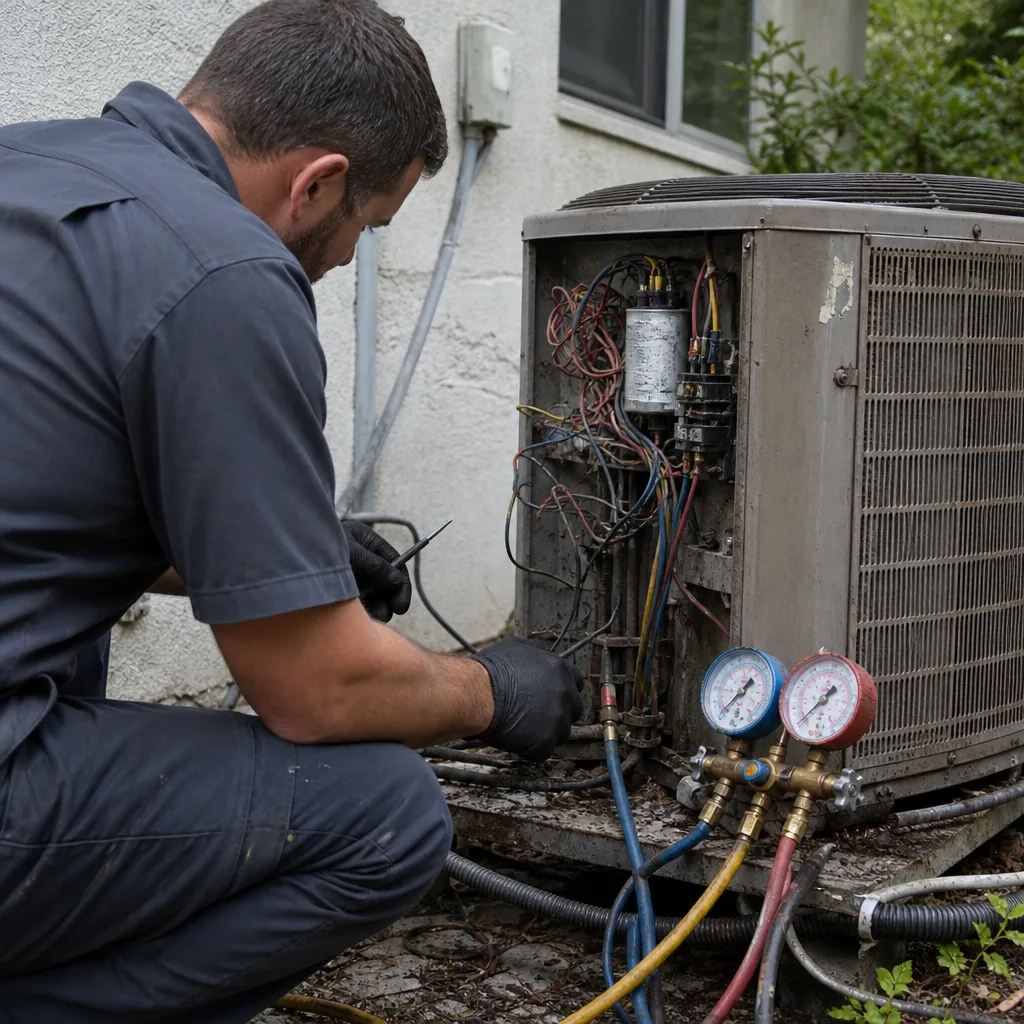 Before
 After
 Before
 After
 Before
 After
When to Call a Professional
Call a licensed HVAC contractor whenever the scope is anything beyond routine maintenance, and definitely before you sign a contract for a replacement or new install. If you’re buying or selling a home in Pembroke Pines, ask us (or your real estate agent’s inspector) to check the permit history before contingencies clear. If you’ve just discovered an unpermitted install, call before the next storm season: the correction sequence is easier to run when the system is working than when you’re also filing a claim. If a furnace smells wrong, a breaker keeps tripping on the air handler, or a condenser is icing up, the diagnosis is the first step and the permit scope is part of the answer. Remington AC Repair offers free estimates in Pembroke Pines. Call (866) 237-6150. We answer 24/7. Fast dispatch from 7am to 7pm, Sunday through Friday.
We work on Carrier, Trane, Lennox, American Standard, and five other major brands, so the recommendation is based on your home, not on which equipment is easiest for us to source. Our technicians have up to 15 years of experience. We’re licensed and insured.
Frequently Asked Questions
Yes. Replacing an air conditioner or air handler in Pembroke Pines requires a mechanical permit under Florida Building Code Chapter 15, followed by at least one inspection before the permit closes. Straight component swaps like a thermostat, filter, or capacitor typically don’t require a permit, but equipment replacement does. Call (866) 237-6150 for a free estimate. We pull the permit on every replacement.
You check through the City of Pembroke Pines online permit portal, using the property address or parcel number. Look for mechanical, electrical, and building permits associated with HVAC work and read the status of each one. Permits marked “finaled” or “closed” are clean; permits marked “issued” or “inspection pending” with no recent activity are open. If the equipment manufacturing date and the permit date don’t line up, ask the seller or the previous contractor why.
A failed inspection means the Pembroke Pines Building Division inspector found a correction item that has to be fixed and reinspected before the permit closes. Common correction items are electrical disconnect issues, missing equipment documentation, refrigerant line protection, and condensate management. The corrections are usually small and reinspection is scheduled once the fix is documented. The permit holder or a licensed contractor typically handles the closeout. Call (866) 237-6150 for a free estimate on the corrections.
No, not legally in a full sense. A furnace replacement involves gas piping, combustion air, venting, and electrical work that fall outside the owner-builder exemption. The exemption covers some maintenance and minor repairs on your primary residence, but it doesn’t cover furnace installation, and it carries disclosure requirements on sale. A licensed HVAC contractor should handle the furnace changeout and pull the permit. We handle furnace repair and replacement across the major brands. Call (866) 237-6150 for a free estimate.
The timing depends on the scope and the correction sequence. A like-for-like equipment replacement typically moves faster than a new installation, which needs a rough-in inspection before the final. Correction items add a reinspection pass on top. We don’t quote a fixed timeline because we’ve seen it vary by file, but we do handle the paperwork and the correction sequence as part of the job. Call (866) 237-6150 for a free estimate. We’ll walk you through the sequence for your specific project.
It can. An unpermitted install doesn’t auto-deny a claim, but the adjuster will pull the system’s permit and inspection record and may argue that improper work contributed to the loss. That’s separate from whether the system actually caused the loss, and it’s the argument that costs homeowners in the adjust process. A permit that was pulled and finaled strengthens the claim. Call (866) 237-6150. We answer 24/7. Fast dispatch from 7am to 7pm, Sunday through Friday.
Key Takeaways
- Equipment replacement, duct modification, and new installation all require a permit in Pembroke Pines under Florida Building Code Chapter 15, with an inspection before closeout.
- You can check permit history through the City of Pembroke Pines online portal by address or parcel number, before a purchase, sale, or insurance claim.
- A failed inspection means a correction item, not a catastrophe. Correction items are usually small, and reinspection follows documented fixes.
- The homeowner exemption is narrow and carries disclosure requirements on sale. Refrigerant, gas, and electrical scope are outside it.
- Unpermitted work complicates insurance claims at the adjuster stage, not the filing stage. A permit and inspection record strengthens a claim.
- Pull the permit up front. After-the-fact permitting is possible but slower and harder. The safest sequence is to pull first and install second.
The Bottom Line
The HVAC permit in Pembroke Pines is not a formality, and it’s not a tax on doing business. It’s the paper trail that follows your house when the system won’t. A straight replacement, a duct change, an entirely new system: each one has a permitted scope and an inspection sequence, and each one closes out cleanly if the process is run right. The line between what requires a permit and what doesn’t is narrower than most homeowners assume. The homeowner exemption is real but narrow, and the insurance side is where the cost of skipping it really shows up. Pull the permit at the start. It’s the cheaper path every time.
If you’re planning a replacement, a repair, or a repair-versus-replace decision on a system in Pembroke Pines, call (866) 237-6150 for a free estimate. We answer 24/7. Fast dispatch from 7am to 7pm, Sunday through Friday. We’ll pull the permit, walk you through the inspection sequence, and give you a written fixed price before any work starts.
Written by the team at Remington AC Repair.