
Last updated November 16, 2026
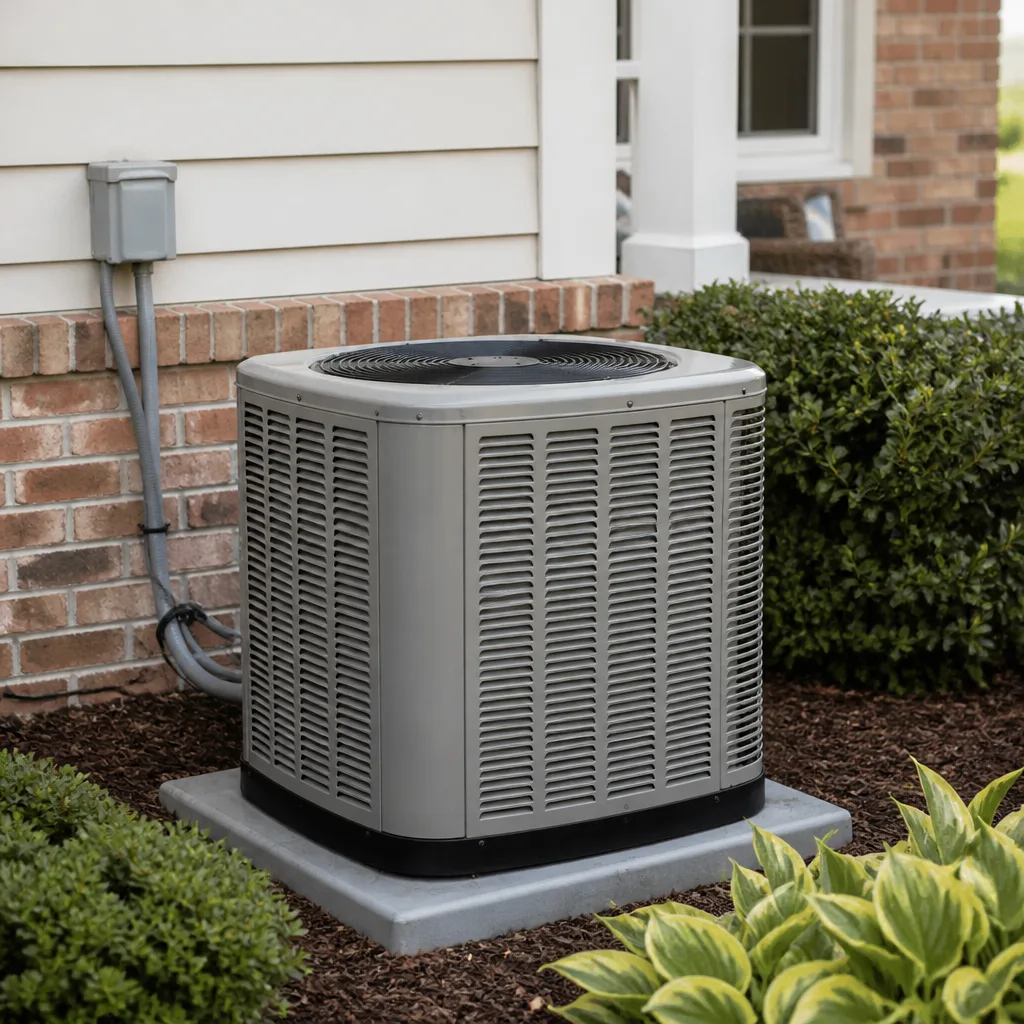 AC repair
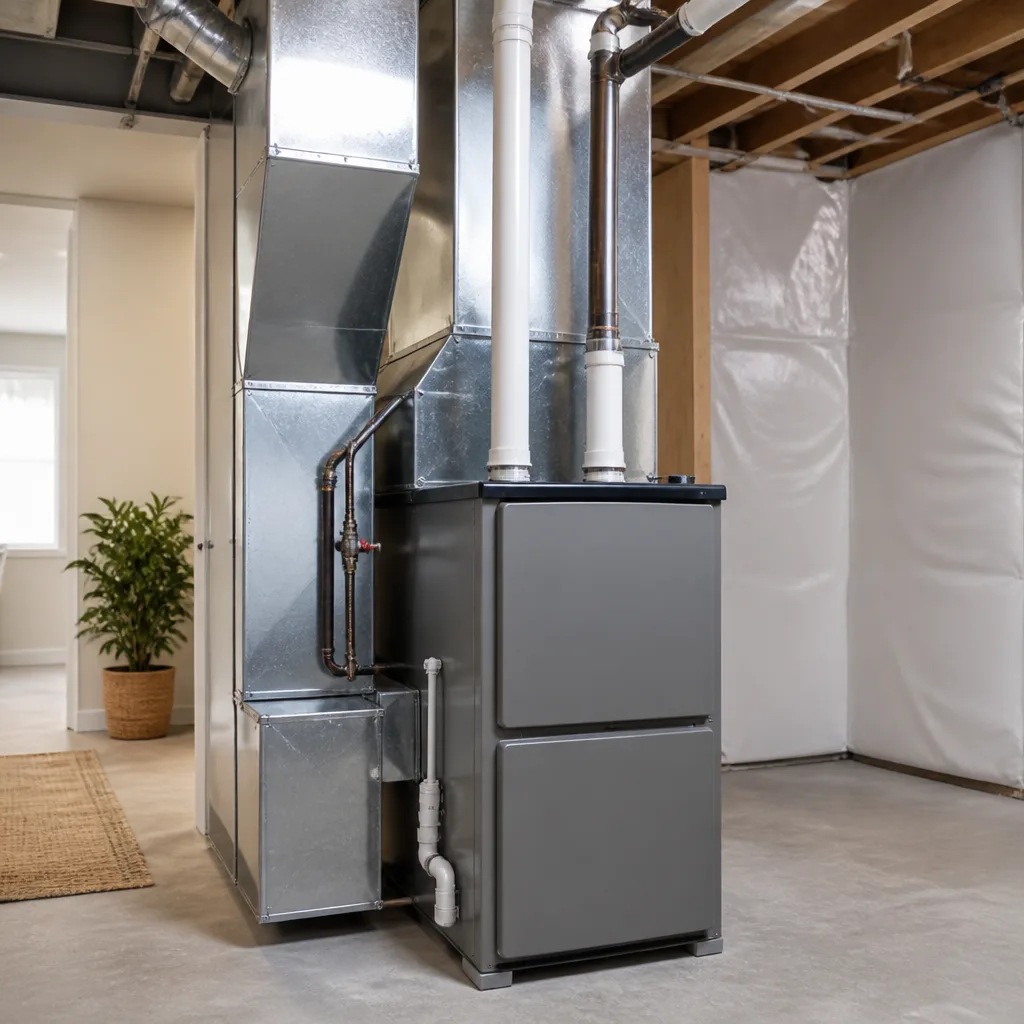 Furnace & heating
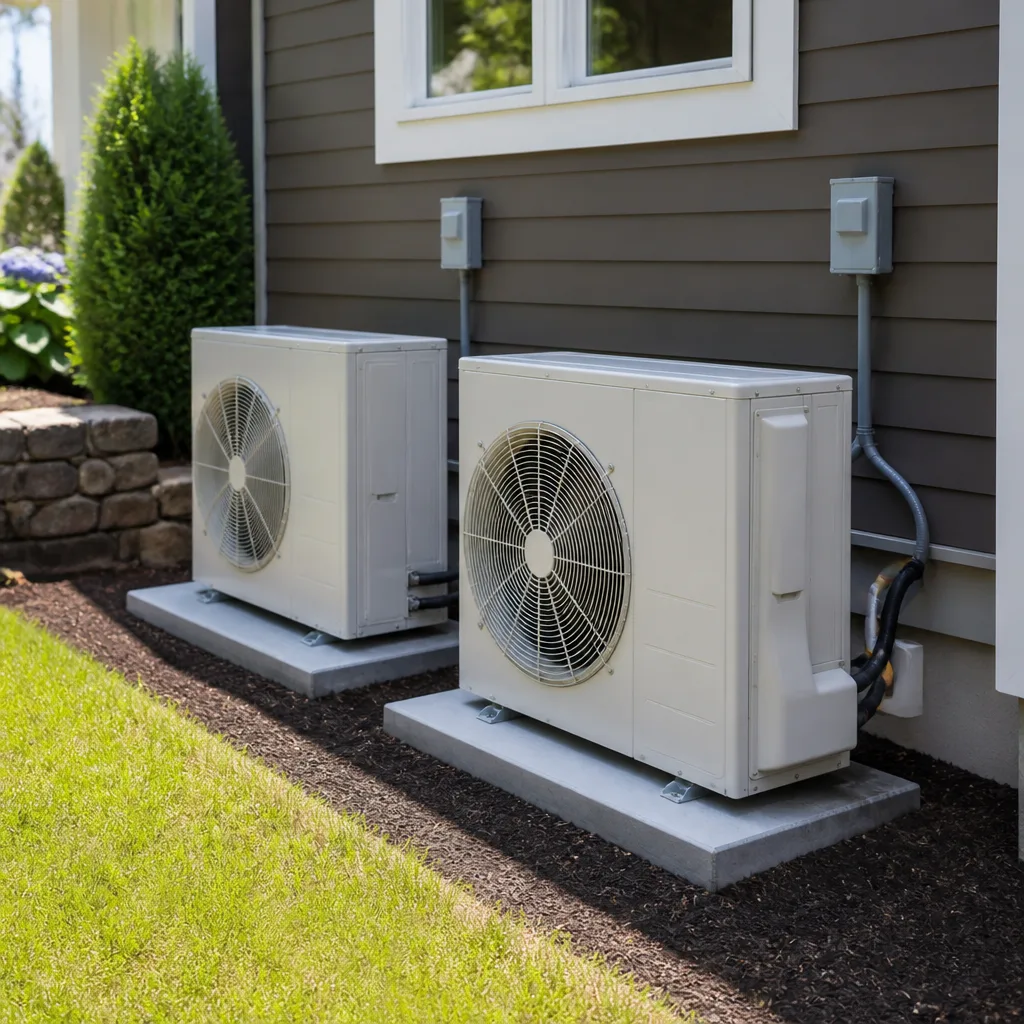 Heat pumps
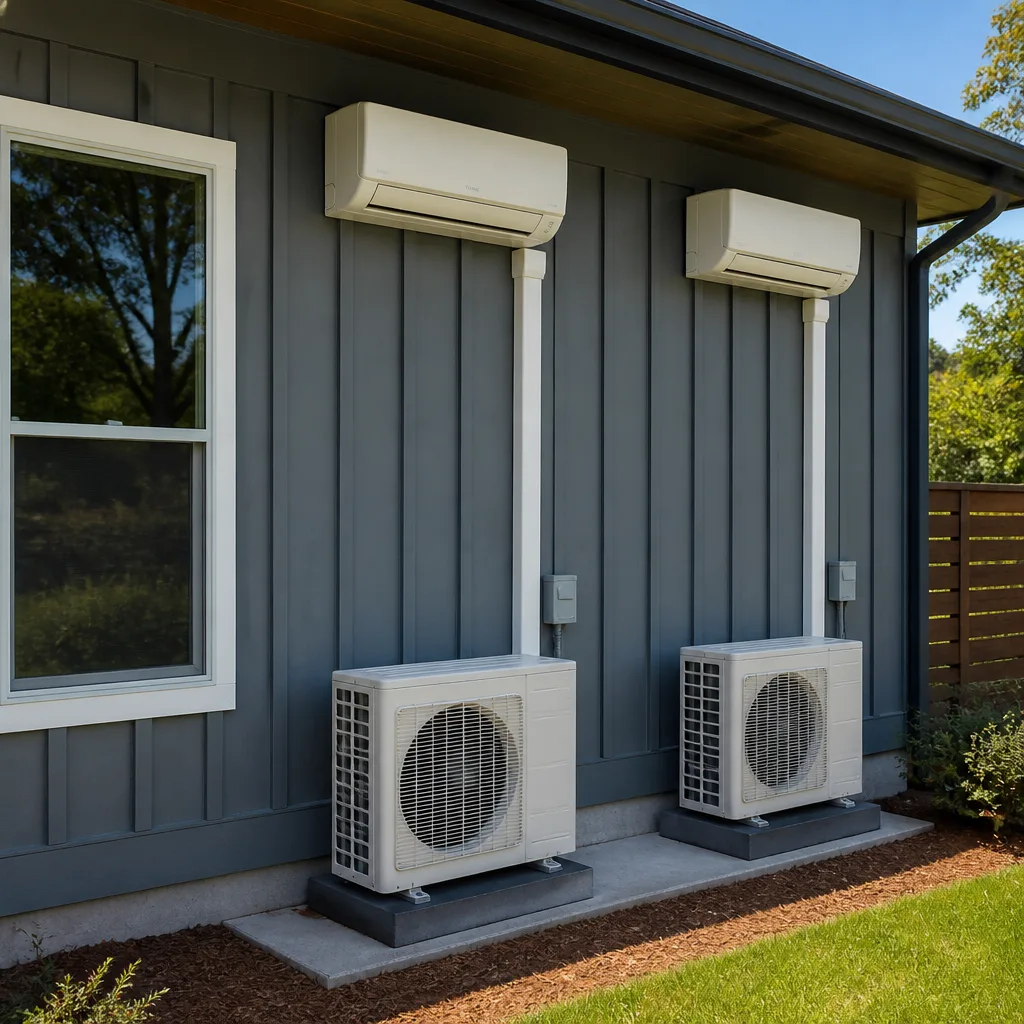 Ductless mini splits
 Carrier
 Trane
 Goodman
Seasonal tune-up and full diagnostic on your Carrier, Trane, or Goodman system - readings shown to you before any repair is proposed
Diagnosis first, numbers second - you approve the repair price before a single part goes in.
Get your free estimateHVAC Warning Signs: A Pembroke Pines Homeowner’s Reference Guide
Most HVAC warning sign lists treat every symptom the same, which is exactly why homeowners panic over nothing and ignore problems that matter. A thermostat knocked into heat mode looks identical to a dead compressor from the couch. A faint musty smell that seems harmless can point to something growing inside the air handler. This guide sorts the signals into three tiers: stop now, schedule this week, and note and monitor. You’ll also learn the Pembroke Pines-specific symptoms that generic national guides miss, a five-minute filter test you can run yourself, and what a healthy system actually sounds and smells like so you stop calling about non-issues.
Quick Answer
HVAC warning signs fall into three tiers: shut the system down immediately (burning smells, tripped breakers, water pouring from the unit, loud mechanical banging), schedule service this week (weak airflow, warm air from vents, musty odors, frequent cycling), and monitor (occasional pops, minor temperature swings). In Pembroke Pines, the signs most homeowners underreact to are drain pan overflow and musty smells, because the humidity here turns a small moisture problem into a large one fast. When a sign worries you, call (866) 237-6150 for a free estimate. We answer 24/7.
Styles & brands we work with
- AC repair
- Furnace & heating
- Heat pumps
- Ductless mini splits
- Carrier
- Trane
- Goodman
Table of Contents
- The Three-Tier Triage System
- Tier One: Signs That Mean Shut It Down Now
- Tier Two: Signs That Mean Schedule Service This Week
- Tier Three: Signs to Note and Monitor
- South Florida Symptoms You Won’t Find in Generic Guides
- The Five-Minute Filter Cascade Test
- Electrical Signs That Look Like House Problems
- What Normal Actually Looks, Sounds, and Smells Like
The Three-Tier Triage System
Every warning sign you notice is asking you one question: how fast do I need to act? The triage system answers it. Tier one signs are safety or major-damage risks that can get worse by the hour. Tier two signs are performance problems that need a technician but aren’t going to hurt anyone before the end of the week. Tier three signs are minor quirks worth watching. Getting the tier right is the actual skill, and it saves you money in both directions: no panic calls for nothing, and no waiting on something that’s about to turn expensive.
Here’s how to sort what you’re seeing:
- Ask whether it’s electrical, water, or air. Electrical signs like burning smells or tripping breakers go straight to tier one. Water signs like dripping pans or ceiling stains are tier one if they’re actively flowing and tier two if they’re slow. Air signs like weak airflow or uneven cooling are tier two unless the airflow is dead.
- Check whether it’s new. A sound or smell that started today after a storm or a power flicker stacks toward tier one. A quirk that’s been there for months and hasn’t gotten worse is usually tier three.
- Check whether it’s getting worse. Signs that escalate within hours belong at the top tier regardless of what they look like. That’s how a slow drain pan overflow in Pembroke Pines gets sorted correctly, because the humidity means “slow” doesn’t stay slow long.
Our technicians have up to 15 years of experience working the triage in Pembroke Pines homes, and the pattern is consistent: the calls that turn into real water damage or real component failures are the ones where a tier two sign got promoted to tier three by a homeowner who hoped. The rest of this guide walks each tier.
Tier One: Signs That Mean Shut It Down Now
These are the signs where you turn the system off at the thermostat and call. Not tomorrow. Not after you finish work. Now.
- Burning smells from the air handler or supply vents. A dusty smell at the start of a heating season is different (we cover that below). A sharp, acrid, or plastic-burning smell at the indoor unit means electrical components are running hot. Turn it off, keep the system off, and call.
- Breakers that trip repeatedly when the system starts. A breaker that trips once might be a fluke. A breaker that trips every time the compressor tries to start is a real electrical fault, and resetting it without an inspection is the dangerous choice.
- Water actively pouring or pooling from the air handler or outdoor unit. If water is flowing, it’s already touching something it shouldn’t.
- Loud, mechanical banging or grinding from the outdoor unit. A single thud at shutdown can be normal. Repeated metallic banging or grinding is not. Shut the unit off at the thermostat and call. On any system with a compressor, a repeated grinding noise is a component coming apart inside a sealed housing.
- A burning smell with visible smoke, or warm air with the smell of overheated metal. Turn it off and call. In a furnace, that’s a sign to stop running it and get a professional to look. Gas equipment is where a trained technician matters most, and we never suggest taking a cover off to look inside yourself.
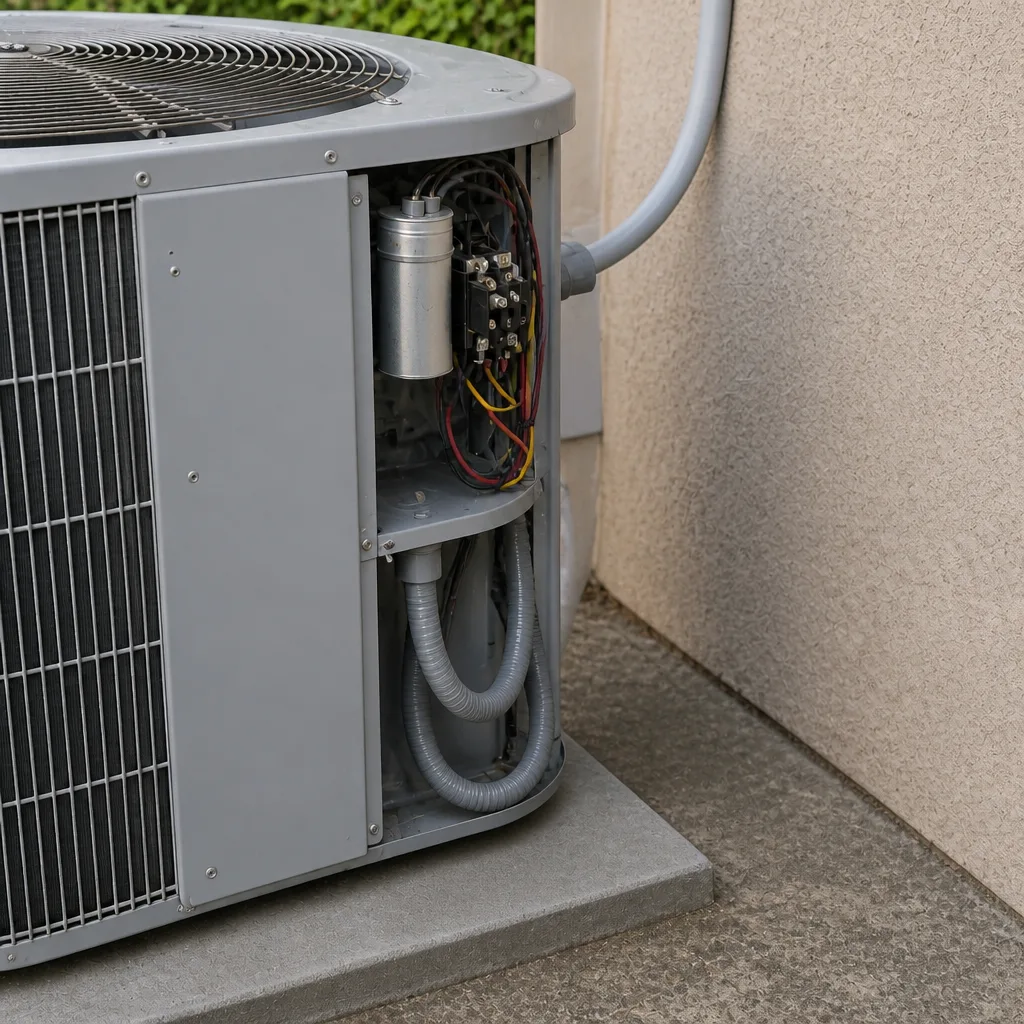
Safety caveat: do not open the air handler cabinet or furnace panel to investigate a tier one sign. The blower is high voltage, the capacitor can hold a charge after the power is off, and on furnace equipment the gas is what you’re guarding against. Turn the thermostat to off and call (866) 237-6150. We answer 24/7, and a call outside dispatch hours is booked into the next opening, Sunday through Friday, 7am to 7pm.
Tier Two: Signs That Mean Schedule Service This Week
Tier two signs mean the system is still running but it isn’t running right. These are the calls we schedule in the same week. They’re not emergencies, but they don’t fix themselves either, and in Pembroke Pines they age into bigger problems faster than the same signs would in a drier climate.
- Weak airflow from some vents but not others. If one vent is weak and the rest are fine, it’s often a damper or duct issue. If every vent is weak, it’s usually a filter or blower problem.
- Warm air from the vents when you’re calling for cooling. This is the classic false alarm, and we cover the thermostat-mode check in the filter cascade section below. If the thermostat is set to cool and running, but the air isn’t cold, that’s tier two.
- A musty or “dirty clothes” smell with the system running. This is the sign that, in a Pembroke Pines home, deserves more urgency than most people give it. High humidity means an air handler that holds onto moisture can grow biology in the cabinet. If the smell appears on Sunday and you can’t get a technician out until Monday, turn the fan to auto, keep the house closed, and call first thing.
- Ice forming on the insulated refrigerant line at the outdoor unit. Ice on the line is not a sign the system is cooling well. It means something downstream is restricting refrigerant flow, usually airflow or refrigerant charge. Turn the system off, let the ice melt, and schedule service. Never chip the ice off.
- Water stains on the ceiling near the air handler. A puff of moisture from a supply vent isn’t a problem. A ceiling stain is.
- Short cycling, where the system runs and stops every few minutes. This wears out the compressor and indoor motor faster than long, slow runs.
If any of these match what you’re seeing, our AC installation and repair technicians can diagnose it and tell you whether it’s a repair or something more. Free estimates, and the written estimate sets the final price.
Tier Three: Signs to Note and Monitor
Tier three signs are the ones we’d leave if we were standing in your yard. They aren’t nothing. They’re just not calls today. Note them, mark the date, and see if they recur.
- A single soft pop or tick from the outdoor unit when it starts or stops. Normal contactor and relay behavior on most equipment, including Trane, Lennox, and Goodman units.
- A slight temperature difference between floors or rooms. In a two-story Pembroke Pines home in August, a two to three degree difference between up and down is common and usually a duct design issue, not a failure.
- Condensation on the outside of the indoor cabinet. A little sweat on a humid day is the cabinet behaving. A lot of it, or dripping down the outside, is tier two, because it means the moisture is finding a way out other than the drain.
- A faint musty smell right when you first turn the system on after weeks off. One-off, brief, then gone. If it lasts more than a few minutes or returns repeatedly, promote it to tier two.
- Water flowing from a condensate line outside the house. That’s the system working as designed. It’s supposed to drain.
Write these down. A recurring tier three sign is often how a real problem announces itself before it jumps to tier two.
South Florida Symptoms You Won’t Find in Generic Guides
Generic national HVAC guides are written for a climate where summer is a season and winter is cold. In Pembroke Pines, humidity is the operating condition, not a seasonal event, and that changes which symptoms matter.
Drain pan overflow before it becomes a water damage event
The air handler removes moisture from the air and sends it down a drain. A clogged drain line, a stuck float, or a failed pan is where water damage comes from, not from a failed compressor. Watched correctly, these are the signs to catch before they cause a problem:
- Rust or mineral crust at the lip of the pan. A pan that’s been sitting with a little water in it for a while shows it. Clean dry pans don’t rust.
- A faint musty smell only in the closet or hallway near the air handler. The pan is under there breathing moisture.
- A wet spot on the ceiling, wall, or closet floor near the air handler. If you see this, tier two becomes tier one.
- The system shuts itself off and won’t restart. Many air handlers have a float switch that cuts the system off when a pan fills. A system that won’t restart is a system telling you something is dripping.
Biological growth in high-humidity air handlers
An air handler in Pembroke Pines runs for months without a break. A blower moving cold air and pulling in moisture creates a dark, damp cabinet behind a panel, which is a great place for biology to grow. The main warning sign is smell: musty, earthy, or like a wet basement when the system runs. A homeowner can’t safely inspect the inside of the cabinet, and shouldn’t. Our technicians have up to 15 years of experience and know what a healthy coil and cabinet look like versus one that needs real attention.
Refrigerant behavior in extreme heat
In a hot, humid Pembroke Pines summer, a system that’s slightly low on refrigerant can cool well in the morning and stop cooling by 3pm. The refrigerant charge doesn’t behave the same in 95-degree air as it does in 75-degree air, and the warning sign is performance that degrades as the day heats up. If a system cools fine in the morning and fails by the afternoon, schedule service and mention the pattern, because it’s a diagnostic hint.
What this means for Pembroke Pines homeowners
If you’re already planning a change, our team handles furnace repair as well, so the same call covers your heating side when the season changes. Both directions of the cycle, one call.
The Five-Minute Filter Cascade Test
More tier two symptoms turn out to be dirty filter symptoms than most homeowners realize. Weak airflow, a slightly warm house, short cycling, and even ice on the refrigerant line can all trace to a filter that can’t pass air. Before you schedule a service call, run this five-minute test in order:
- Pull the filter and look through it against a bright light. If you can’t see daylight through it, that’s your answer. Replace it, and run the system again for fifteen minutes before drawing conclusions.
- Find the thermostat and confirm the mode is set to cool. This sounds obvious, and it’s not a joke. A thermostat switched to heat mode produces the same “blowing warm air” symptom as a failing compressor, and a common cause is a house sitter, a child, or a cleaning crew touching the thermostat.
- Check the outdoor unit is running when the thermostat is calling. If the indoor fan is blowing and the outdoor unit is silent, you have a mechanical or electrical issue rather than a filter issue.
- Confirm the indoor fan is set to auto on a routine day. If it’s set to on, the fan runs all the time, which keeps the cabinet damp in a Pembroke Pines summer. Set it to auto and see whether the musty smell fades.
If the filter was actually clogged and the system runs normally after replacing it, you don’t need a service call, and that’s a good day. If the symptoms return within a week, they weren’t filter symptoms, and now you know. Write down what you saw and when, because that record is genuinely useful to a technician.
Electrical Signs That Look Like House Problems
Some HVAC warning signs come out looking like a house electrical problem. These are the ones to treat with real caution, because they’re the ones where the system is telling you something a plain symptom list misses.
- A breaker that trips when the system starts. If the same breaker trips when the outdoor unit kicks on and no other appliance makes it trip, that breaker is doing the right thing. A pro needs to look at the system, and resetting a tripping breaker in the meantime is exactly what not to do.
- Lights that flicker briefly when the AC starts. A small flicker on startup is common on a house with older wiring. A flicker that’s getting longer, brighter, or happening every cycle is not, and neither is a flicker in only one part of the house. The system draws close to its peak current at startup, and the flicker is the panel noticing.
- A burning smell from the air handler or a supply vent. We said this in tier one and it belongs here too. The smell is electrical, not “the house smells hot.” Turn it off and call.
- A warm, warm-to-the-touch air handler cabinet. The panel behind a running air handler can feel slightly warm. A panel that’s hot to the touch is a tier one sign. Shut the system off and call.
We don’t open panel covers in this guide for a reason. The air handler and outdoor unit both have high-voltage components, and the capacitor on a unit motor holds a charge after the power is off. That’s a professional’s job. Our team can diagnose and service almost any brand, from Trane and Lennox to Goodman and Rheem, and we’re happy to be the second call if you want the electrical sorted first. We work on your system, not just the brands we sell.
What Normal Actually Looks, Sounds, and Smells Like
The most useful warning sign guide is really a normal guide, because most of the calls we don’t want you to make are calls for behavior that’s the system working. Here’s what normal actually looks, sounds, and smells like in a Pembroke Pines home:
- Normal sounds: a hum from the outdoor unit, a soft whoosh from the vents, a click at start and stop, a brief rattle on a windy day from loose screws or a screen.
- Not normal sounds: the banging and grinding in tier one, a scrape, a squeal that gets louder with time, or a “clunk” that’s louder than the system’s normal startup.
- Normal smells: nothing at the vents, or a faint dusty smell the first time the heat comes on after a season off.
- Not normal smells: musty, earthy, or acrid. A dusty smell during cooling season is not normal, and a musty smell during cooling season is the one to prioritize.
- Normal water behavior: the condensate line outside the house draining on a hot day. That’s the system working.
- Not normal water behavior: water where it isn’t supposed to be, anywhere near the air handler or a ceiling near it.
- Normal temperature behavior: a two to three degree difference between rooms or floors, and slightly cooler air at the vent than the room’s temperature by ten or more degrees.
- Not normal temperature behavior: air from the vent that’s close to room temperature, or that swings dramatically with the time of day.
We’d rather you call us and ask about a normal sound than skip a real one. A quick call is free. We answer 24/7, and we can tell you over the phone whether what you’re describing sounds like a tier one, tier two, or tier three sign.
Common Mistakes to Avoid
- Ignoring a musty smell because the cooling still works. In a Pembroke Pines summer, a musty smell with the system running is often biology in the air handler, and the fix gets more involved the longer you wait. Ask what a musty smell actually tells you, and the answer is moisture in a place it shouldn’t be.
- Resetting the breaker a third time. A breaker trips when it’s protecting the wiring, and a repeated trip is an electrical fault. Resetting it without an inspection is the risky choice, not the cheap one.
- Cleaning the outside coil with a pressure washer. High pressure bends the fins, and once the fins are flat, airflow is worse than it was before. That’s a job for a technician with the right tool.
- Running the system with the filter out. A missing filter is worse than a dirty one because dust ends up on the coil, not the filter. If you’re replacing the filter and need to run the house for an hour, that’s one thing. Running the system with no filter for a week is not.
- Calling an emergency for a thermostat set wrong. This is a real call we get, and it’s exactly the case that the five-minute test above prevents. Check the mode, the fan setting, and the filter before you pay anyone to look at the system.
- Assuming the system has failed when one room is warm. A single warm room in a Pembroke Pines home is often a duct or insulation issue, not a system failure. That’s a diagnostic call, not an emergency.
- Waiting on ice at the outdoor unit. Ice on the insulated line is a sign, not a state the system should be in. Turn it off, let it melt, and schedule service. Never chip it.
See the difference
 Before
 After
 Before
 After
 Before
 After
When to Call a Professional
Call a professional for any tier one sign without waiting: a burning smell, a repeatedly tripping breaker, water pouring from the unit, or a loud mechanical noise from the outdoor unit. Call for tier two signs within a few days: weak airflow, warm air from the vents with the thermostat set to cool, musty odors during cooling season, ice on the refrigerant line, or water stains near the air handler. Do not open the air handler or furnace cabinets yourself; high voltage and stored charge in the capacitor make them a trained-professional job, and gas equipment should only be opened by a qualified technician.
Remington AC Repair offers free estimates in Pembroke Pines, and our technicians have up to 15 years of experience diagnosing systems from Carrier and Trane to Lennox, Goodman, Rheem, York, Daikin, Bryant, and American Standard. We work on your system, not just the brands we sell, so the recommendation fits your home and your budget. Call (866) 237-6150. We answer 24/7, and fast dispatch is from 7am to 7pm, Sunday through Friday. Written estimates set the final price, and the price is per job, not per visit.
Frequently Asked Questions
The most urgent are a burning smell from the air handler or vents, a breaker that trips repeatedly when the system starts, water actively pouring from the unit, and loud mechanical banging or grinding from the outdoor unit. Turn the system off at the thermostat and call (866) 237-6150. We answer 24/7, and a call outside dispatch hours is booked into the next opening, Sunday through Friday, 7am to 7pm. Do not open panels or reset breakers yourself.
Yes, in Pembroke Pines a musty smell during cooling season is a real problem worth prioritizing. It usually means moisture is collecting in the air handler cabinet, and the humidity here makes it worse faster than in a drier climate. Schedule service this week, and turn the fan to auto in the meantime. Call (866) 237-6150 for a free estimate.
A running AC that blows warm air is usually a mechanical, refrigerant, or airflow problem rather than a power issue, but check the thermostat mode first. It’s a common false alarm. If the mode is set to cool and the air is still warm after fifteen minutes, that’s tier two and worth scheduling this week. Call (866) 237-6150 for an exact quote, and the estimate is free.
No. Water outside the house draining from the condensate line is normal, but water dripping from the air handler cabinet itself is not. It often means a clogged drain line, a stuck float, or a pan problem, and in a Pembroke Pines summer it ages into real water damage. Call (866) 237-6150. We answer 24/7, and fast dispatch is from 7am to 7pm, Sunday through Friday.
It depends on what the signs are. A single tier two symptom like weak airflow is usually a repair. Repeated tier one signs combined with frequent repairs start to point toward replacement. We work on almost any brand, so we give a straight answer based on the system and not on what we’d rather sell you. Our Pembroke Pines page lists our services. Call (866) 237-6150 for a free estimate.
Not usually. Most warning signs are tier two or tier three and can be scheduled. The tier one signs, like burning smells, tripping breakers, and pouring water, are the ones that need immediate action. Call (866) 237-6150. We answer 24/7, and a call outside dispatch hours is booked into the next opening, Sunday through Friday, 7am to 7pm.
The Bottom Line
Sorting HVAC warning signs into tiers is the real skill, and it pays off in both directions. Tier one signs like burning smells, tripping breakers, pouring water, and mechanical banging mean shut the system off and call. Tier two signs like weak airflow, warm air, musty smells, and ice on the line mean schedule service this week. Tier three signs are worth noting and watching. In Pembroke Pines, the signs to prioritize are the moisture ones, because the humidity here doesn’t let a small problem stay small. Our team at Remington AC Repair works on Carrier, Trane, Lennox, Goodman, Rheem, York, Daikin, Bryant, and American Standard systems, so a free estimate doesn’t depend on which brand is in your closet. Call (866) 237-6150 when a sign worries you.
Written by the team at Remington AC Repair.