
Last updated November 16, 2026
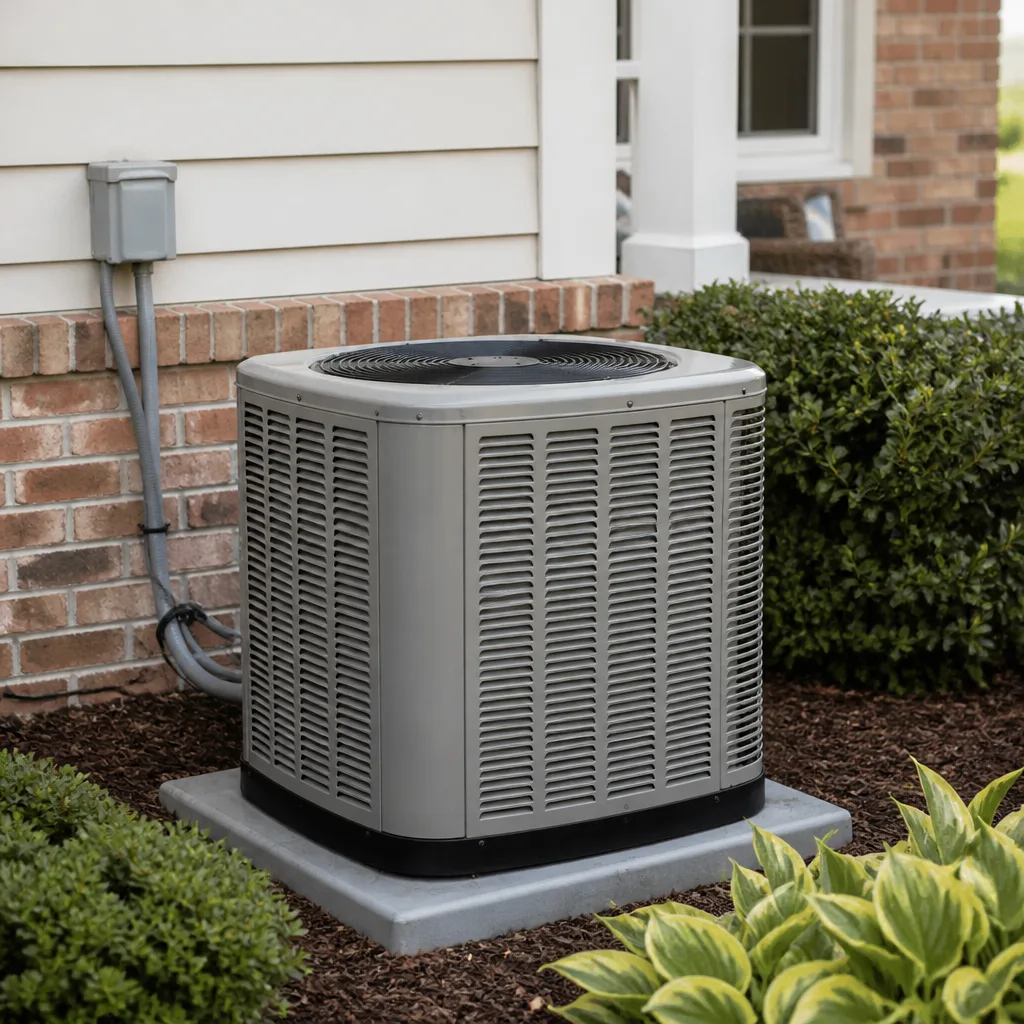 AC repair
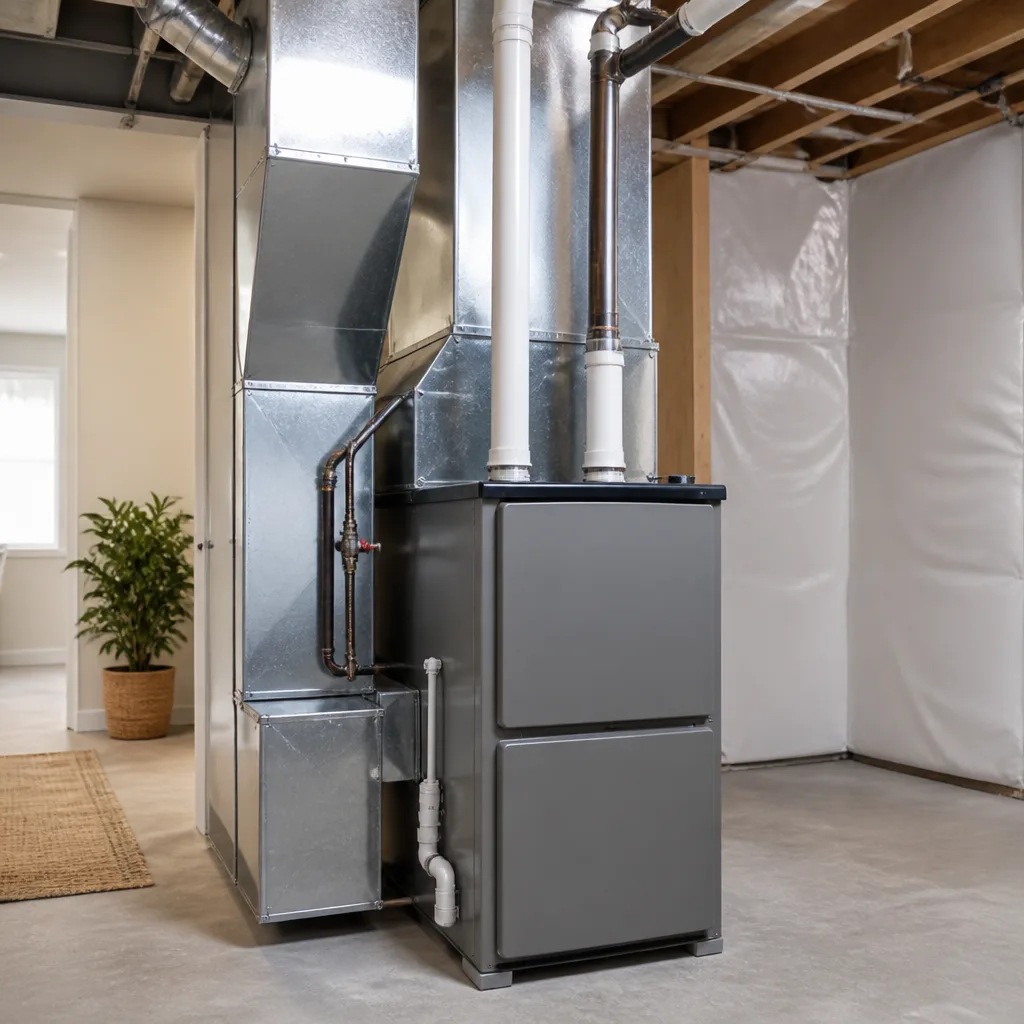 Furnace & heating
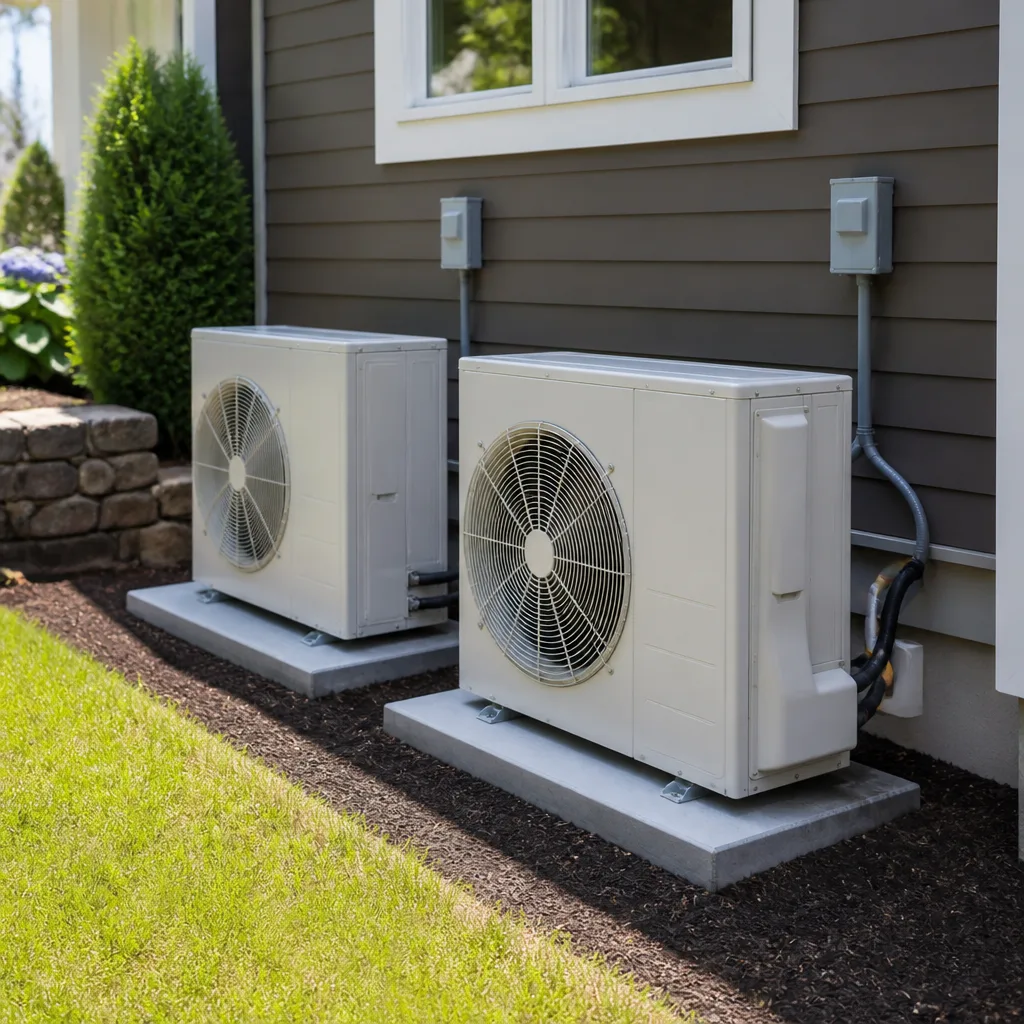 Heat pumps
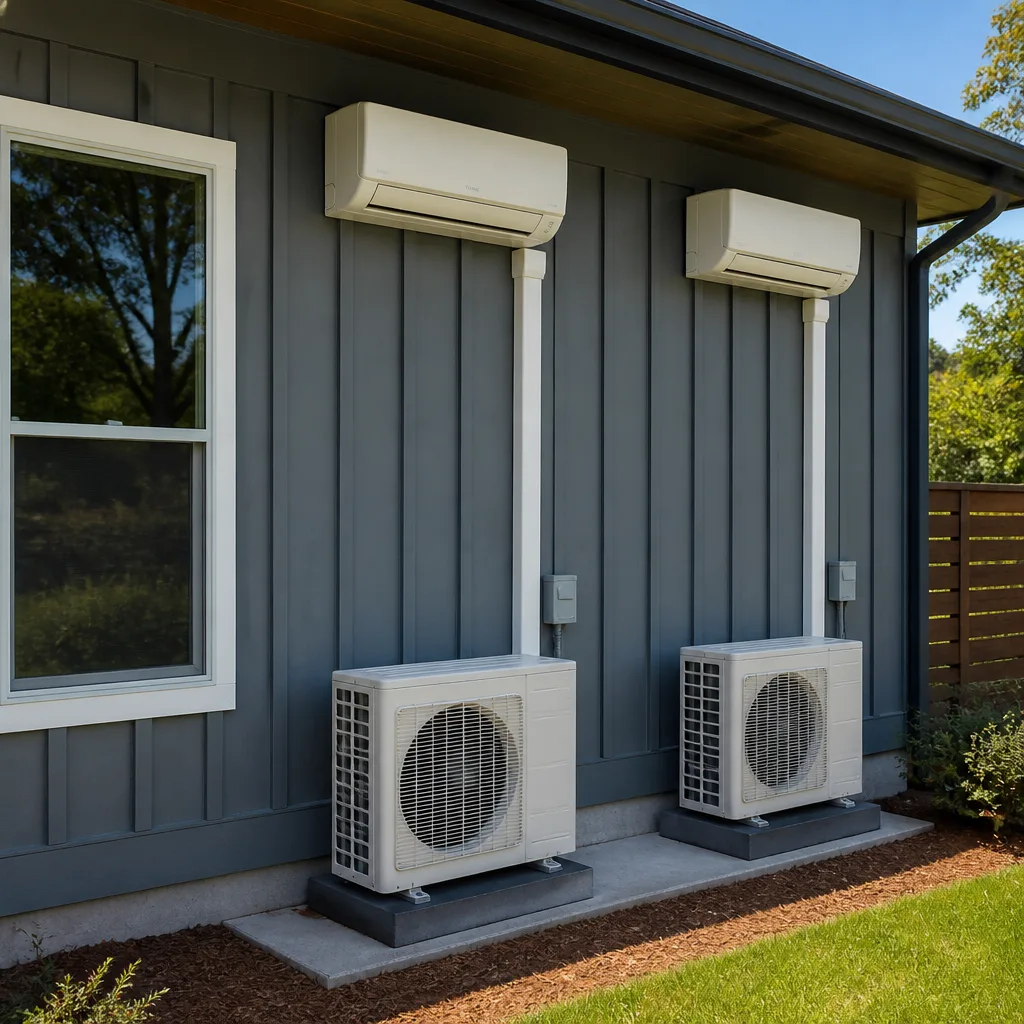 Ductless mini splits
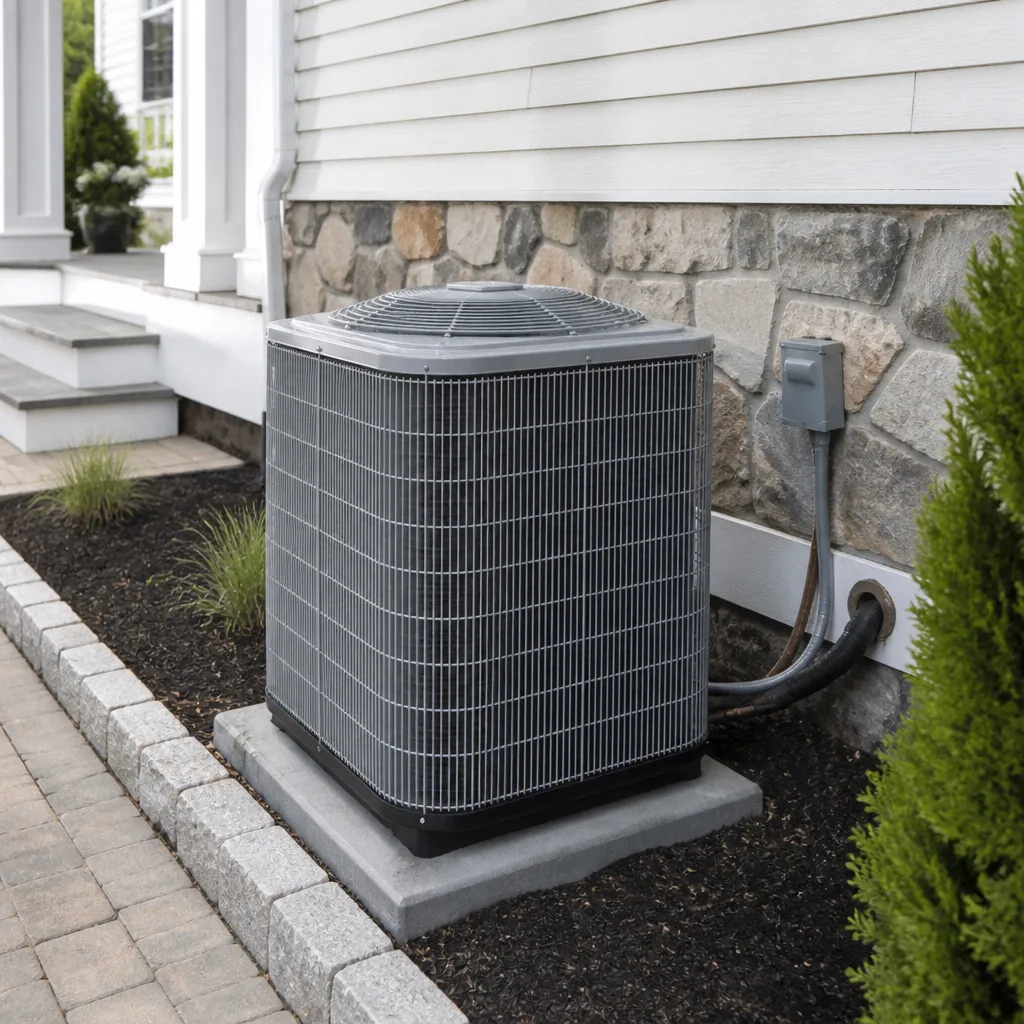 Carrier
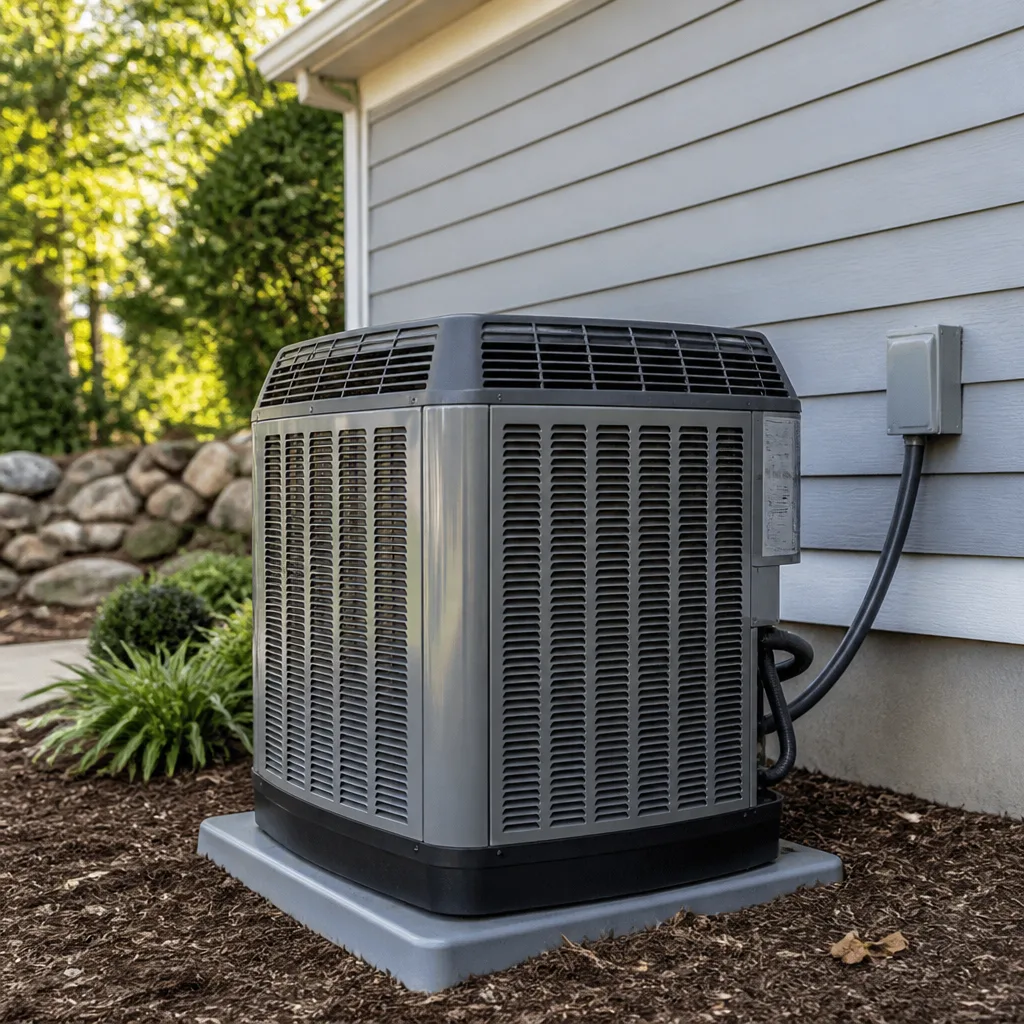 Trane
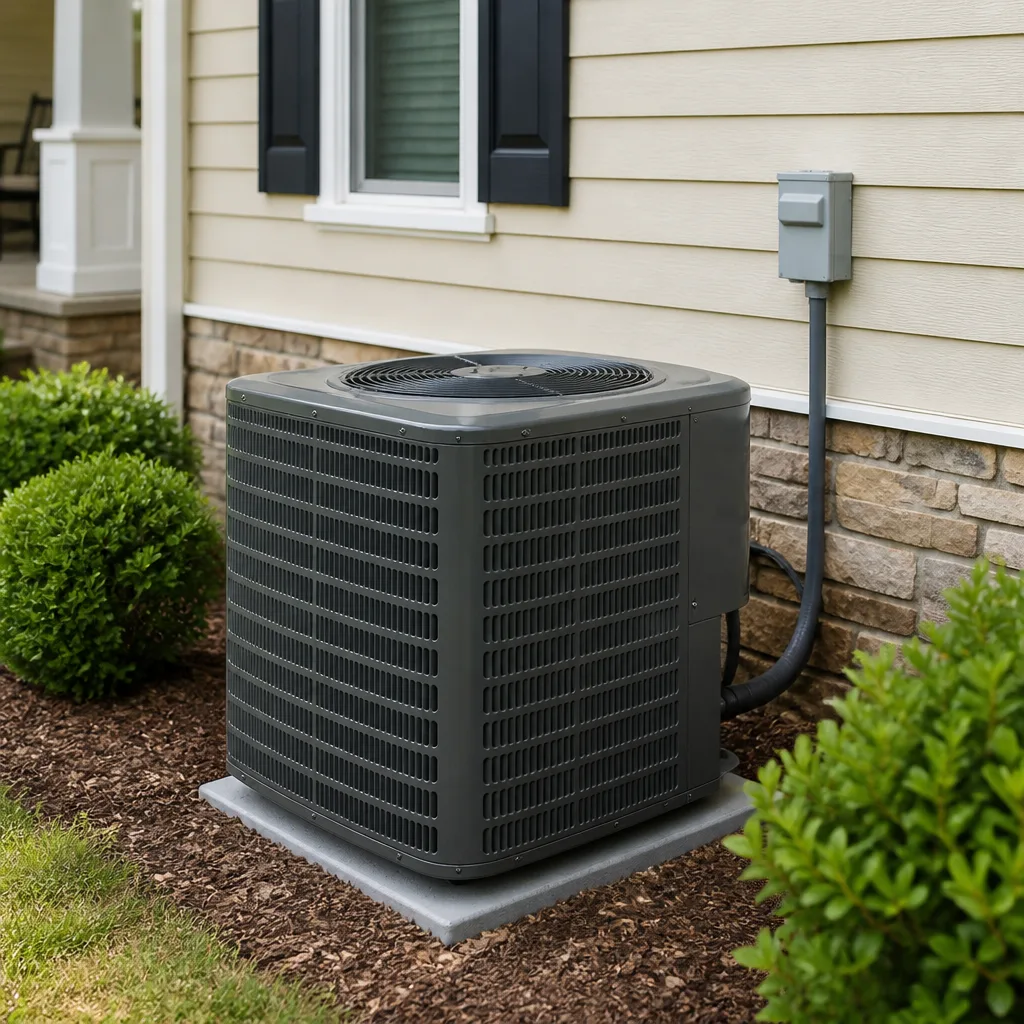 Goodman
Seasonal tune-up and full diagnostic on your Carrier, Trane, or Goodman system - readings shown to you before any repair is proposed
Diagnosis first, numbers second - you approve the repair price before a single part goes in.
Get your free estimateHow to Hire an HVAC Contractor in Pembroke Pines: A Step-by-Step Guide
Two HVAC contractors can show identical license status on the state database and still deliver wildly different outcomes on the same Pembroke Pines house. Florida requires HVAC contractors to hold a state-issued CAC license, but that license tells you nothing about whether the person quoting your job will pull a permit, run a load calculation, or just swap equipment and move on to the next call. The license is a starting point, not a finish line. The gap between legally qualified and actually thorough is where most homeowner frustration lives, and it’s the gap this guide is built to close. What follows is the vetting process we’d walk a friend through: verifying credentials the right way, reading a quote for what it’s missing, and spotting the contractor behavior that costs you later. Pembroke Pines has its own quirks in this market, and we’ll get to those.
Quick Answer
To hire an HVAC contractor in Pembroke Pines, verify the contractor’s state license on Florida’s DBPR portal, confirm they’ll pull a permit through the city and that the permit was actually issued, and insist on a written quote that names the equipment model and includes a load calculation. Get one thorough quote rather than three thin ones. Then read the contract terms carefully for cancelation rights, warranty language, and who holds responsibility if the job goes sideways.
Styles & brands we work with
- AC repair
- Furnace & heating
- Heat pumps
- Ductless mini splits
- Carrier
- Trane
- Goodman
Table of Contents
- Step 1: Verify the Contractor’s Florida HVAC License
- Step 2: Ask the Questions That Expose Brand-Captive Contractors
- Step 3: Get One Good Quote Instead of Three Fast Ones
- Step 4: Read the Load Calculation
- Step 5: Ask the Permit Question (and Check the Answer)
- Step 6: Scrutinize the Contract Terms
- Timing Your Project in the Pembroke Pines Market
- Common Mistakes to Avoid
- When to Call a Professional
- Frequently Asked Questions
Step 1: Verify the Contractor’s Florida HVAC License
Every HVAC contractor in Florida who does work above a certain minor-repair threshold must hold a valid license from the Department of Business and Professional Regulation. That license is public. You can check it yourself on the DBPR’s license lookup portal, and you should, before anyone gives you a quote. Look up the company name, then check the individual qualifier attached to it. The qualifier is the person who passed the state exam and carries the license for the business. If the company can’t name a qualifier, that’s a problem.
The DBPR records also show whether the license is current, what type it is, and whether there are disciplinary actions on file. A license that’s expired or has a complaint history won’t show as active. Checking takes about three minutes and eliminates a surprising number of operators.
Certified vs. Registered: What the License Class Means for a Pembroke Pines Job
Florida uses two license classes for contractors, and the distinction matters when you’re hiring in Pembroke Pines.
- Certified contractors can work across the entire state without additional local licensing. The state license stands alone as the authority.
- Registered contractors hold a state-level registration but are licensed and regulated by the local jurisdiction where they work. They can only do work in counties or cities that have registered them.
Both can legally do HVAC work in Pembroke Pines if properly registered with the city and county. But the certified contractor carries the broader credential. If a registered contractor tells you they’re licensed but you can’t find them in the local jurisdiction’s records, don’t sign. Ask for the license number in writing before you proceed. The residential HVAC work we connect homeowners with is done by qualified, licensed professionals, and we’d expect you to verify that for yourself every time.
The other side of verification is insurance. A state license does not guarantee general liability or workers’ comp coverage. Ask for a certificate of insurance naming the company and confirm the policy is current. Licensed and insured are two separate checks.
Step 2: Ask the Questions That Expose Brand-Captive Contractors
Here’s the part of the hiring process that homeowners rarely dig into: brand incentive structures. Many HVAC contractors are factory-authorized dealers for one or two manufacturers. That dealership tier carries financial perks, rebates, and preferential pricing from the manufacturer. There’s nothing wrong with being a dealer. The problem surfaces when a contractor recommends a brand because of a dealer incentive rather than because it fits your house, your ducts, and your budget.
You won’t find the incentive structure printed on the quote. You’ll find it in the questions. Ask these in person or on the phone:
- “What brands can you service?” A contractor who only services one or two brands will, over years, steer recommendations toward those brands because that’s what their technicians and parts suppliers know best. A contractor who services a wide range of brands has no reason to narrow your options.
- “If I wanted a different brand, would you still install it?” If the answer is “yes, but our brand is better,” ask what “better” means for your specific home. Square footage, duct sizing, window orientation, and the age of the house all shape which system makes sense.
- “Do you have service relationships with multiple manufacturers?” A contractor certified across several lines (Carrier, Daikin, Bryant, American Standard, and others) is in a position to give you a straight recommendation. A single-brand dealer isn’t biased on purpose; they’re just working within their lane.
- “When would you NOT recommend the brand you’re proposing?” This one separates the honest contractors. Anyone who says “never” is selling, not advising.
We work on your system, not just the brands we sell. Our technicians service nine major brands: Carrier, Trane, Lennox, Goodman, Rheem, York, Daikin, Bryant, and American Standard. That breadth exists for a practical reason. Most homes in Pembroke Pines already have equipment from one of those lines, and the right recommendation should fit the home, not the inventory.
One more question that cuts through the noise: “How old is my existing system, and what’s the cost of keeping it running versus replacing it?” A brand-captive contractor answering this question will lean toward replacement. A brand-agnostic contractor will explain the break-even math in plain terms.
Step 3: Get One Good Quote Instead of Three Fast Ones
The standard advice is to get three quotes. In practice, three quick quotes from three contractors who each spend twenty minutes on your property will give you three guesses, not three assessments. You’re better served by one thorough quote that shows real work, plus a second quote to sanity-check the first. The recommendation that matters isn’t the lowest number; it’s the one with a written scope you can read and understand.
What a thorough quote should contain:
- The exact equipment model number, not just “a 3-ton unit.”
- The rated capacity and efficiency level of the proposed system, with model documentation attached.
- A capacity match against your home’s actual load (more on the load calculation in the next section).
- A line-item description of any ductwork, line-set, or electrical work included.
- Whether the contractor will pull a permit and whether that’s itemized.
- The labor warranty terms, separated from the manufacturer warranty.
- A written price that stays fixed unless you change the scope.
If you get three quotes and they all read the same, with no model numbers and no load calculation attached, none of them are quotes. They’re estimates on a napkin. You’ll find a similar focus on written, model-specific proposals on our AC installation page, because a replacement priced without the model number is a replacement you’ll regret.
Get a written fixed price. The estimate we provide is free, and the price we set is per job by the written estimate, so nothing changes between the quote and the invoice for a scope that doesn’t change. Ask any contractor you’re comparing to do the same.
Step 4: Read the Load Calculation
A load calculation, sometimes called a Manual J, is the formal method for determining how much heating and cooling a home actually needs. It’s not a square-footage rule of thumb. It accounts for wall insulation, window size and orientation, ceiling height, attic performance, duct condition, and local weather patterns. Florida homes present specific challenges: long cooling seasons, high humidity, and building stock that ranges from older concrete-block construction to newer tight envelopes.
Why does this matter to you? Because an oversized system cools the house too fast and doesn’t run long enough to remove humidity. You end up with a cold, clammy house and higher energy bills. An undersized system runs nonstop and never catches up. The calculation is what prevents both.
You don’t need to learn the math. You need to recognize a contractor who skipped it.
- Ask directly: “Will you run a load calculation for this job?” The answer should be yes. If the contractor says “we just eyeball it” or “we use the same size as what’s there,” ask why. Sometimes the old system was correctly sized; often it wasn’t.
- Ask for the result in writing. The output is a single number: the recommended system capacity in tons or in Btuh. That number should appear on the quote. In some cases it should also appear on the permit application.
- Compare the result to the quote. If the load calculation says 2.5 tons and the quote is for a 4-ton system, you have a question to ask.
- Ask how the calculation was done. A proper Manual J is software-driven and takes an hour or more of measuring and data entry. A contractor who runs one has physically measured your home’s dimensions and fenestration.
A contractor who runs a load calculation has invested time before you’ve paid anything. That’s a reliable signal of how they’ll treat the actual installation.
Step 5: Ask the Permit Question (and Check the Answer)
HVAC replacement work in Pembroke Pines generally requires a permit, and the permit requires inspection. Some contractors skip the permitting process because it takes time, they’re cutting corners, or they’ve done it before and gotten away with it. Skipping permits saves the contractor a small amount of money. It costs you at resale, at insurance, and sometimes at claim time.
Why it matters in Pembroke Pines specifically:
- Resale disclosure. When you sell a Pembroke Pines home, a buyer’s inspector will check whether improvements were permitted. An unpermitted HVAC replacement can stall a closing or be priced in as a discount. Some buyers walk.
- Insurance claims. If a fire or water damage is traced to an HVAC installation, the claim may be denied if the work was never permitted or inspected.
- Manufacturer warranty terms. Many manufacturer warranties assume professional installation. Unpermitted work can void the warranty if it becomes a dispute point.
Asking the permit question we recommend is not the subtle version. When you meet a contractor, say: “Will you pull the permit on this job, and will you give me the permit number when it’s issued?” Then check. The City of Pembroke Pines runs an online permitting portal where permits are searchable by address and permit number. If the contractor says they pull permits, confirm it. If they say you don’t need one, ask why not and verify that against what the city’s building department says. Most cities require a permit for HVAC replacement work, so it’s worth making the call.
Ask also whether the contractor will schedule the inspection themselves and whether the inspection cost is included in the quote. If the contract says “permit by owner,” that’s a red flag.
Step 6: Scrutinize the Contract Terms
Florida’s contractor environment has an unhelpful feature: after major storm events in the region, out-of-area contractors appear in local markets, take deposits, and sometimes vanish. The pattern is common enough that Florida has specific consumer protection law around home improvement contracts. You don’t need to memorize the statute, but you need to read the contract before you sign it, and you need a few specific terms in writing.
What should be in the contract:
- A stated scope of work. Which equipment, which work, in writing. Nothing verbal counts.
- A right to cancel. Florida law gives homeowners a limited cancellation window for certain home improvement contracts. The contract should disclose it. Ask.
- Payment schedule tied to milestones. Under no circumstances should you pay the full amount up front. Deposits are normal; a deposit that keeps the contractor committed is normal; the full price before work begins is not.
- Permit responsibility. Named clearly. If the contractor doesn’t pull permits, that’s not a “we’ll handle it later” conversation.
- Warranty terms. Manufacturer warranty and labor warranty separately. The length of each, and what’s covered.
- Final payment contingent on inspection. Hold a portion of payment until the system passes final inspection. This is the single strongest lever you have.
Ask for a copy of the contract to review at home. A contractor who pressures you to sign on the spot is not a contractor you want quoting your job. Straight answers on your system should survive a night of thinking about it.
One more question that matters: “Are you the qualifier on this license, or will you subcontract the work?” Subcontracted labor is legal and often fine, but liability and warranty coverage get complicated when a third party shows up to do the actual installation. Get the answer in writing.
Timing Your Project in the Pembroke Pines Market
Pembroke Pines sits in a year-round cooling climate. That changes how homeowners here should time HVAC work compared with colder parts of the country. The cooling season runs long, and HVAC contractors are busy from spring into early fall. Scheduling a replacement in April or May means competing with everyone else whose AC just failed.
The practical timing advice:
- Plan replacements in the shoulder season. Late winter and early spring are the calmest stretches for HVAC scheduling here. You’re not waiting on a crew, and equipment lead times are shorter.
- Don’t wait for a failure. A system that’s 12 to 15 years old and occasionally struggles in July is a system worth assessing before it dies on the hottest day of the year. A planned replacement is cheaper, easier, and less stressful than an emergency one.
- Ask about equipment lead times. When you request a quote, ask how long from signed contract to installation date. A contractor who can name a real date has a real supply chain. A contractor who says “we’ll call you when it comes in” does not.
- Avoid the storm-chaser window. If a tropical system has recently passed through the region, contractors from out of state sometimes show up offering quick deals. Verify every one of them against the DBPR portal before signing anything.
For neighborhoods in Pembroke Pines with older housing stock, whether the home was built in the 1980s or in the newer developments on the western side of the city, the timing question is the same: plan the work when the weather isn’t forcing you into a decision. Our residential HVAC service is residential, and our technicians respond to calls here every day of the week that we’re dispatched. For repair work, furnace repair or cooling repair can usually be scheduled quickly. For replacements, plan ahead.
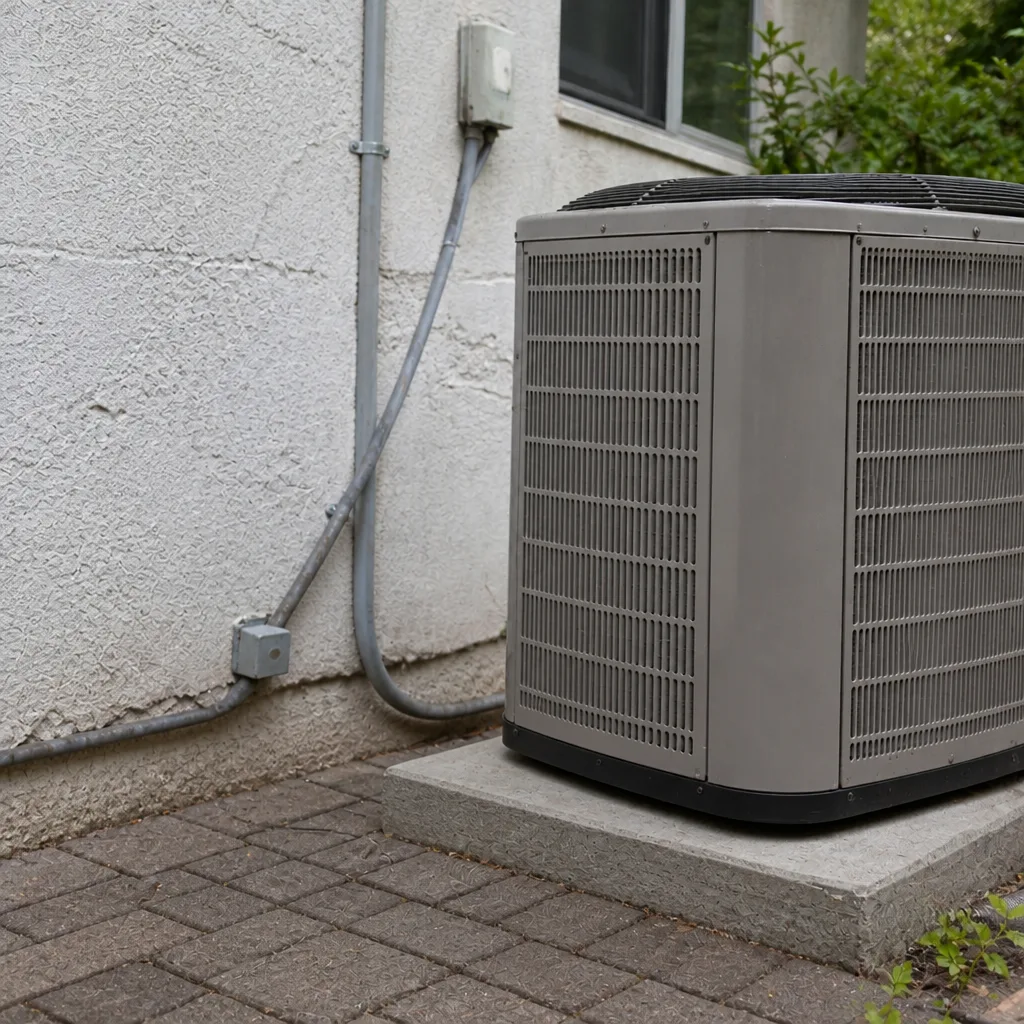
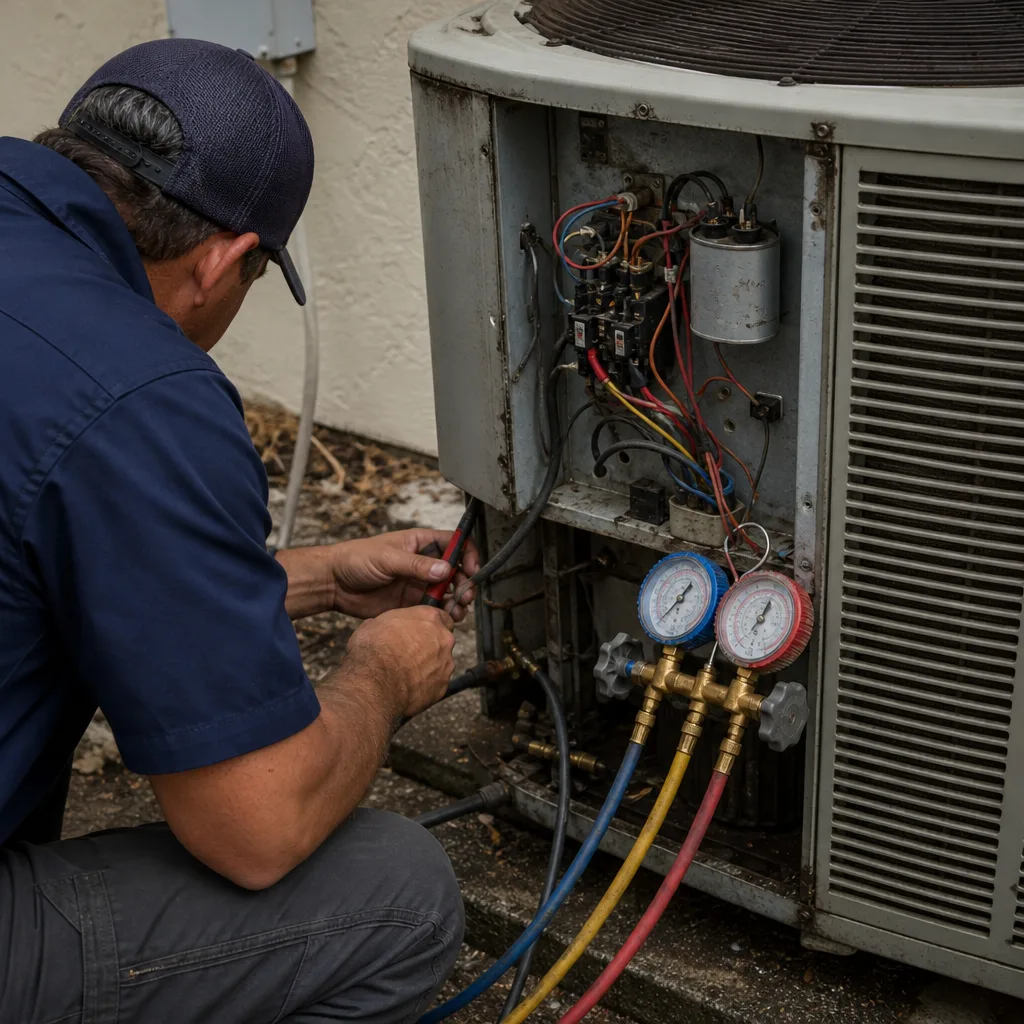
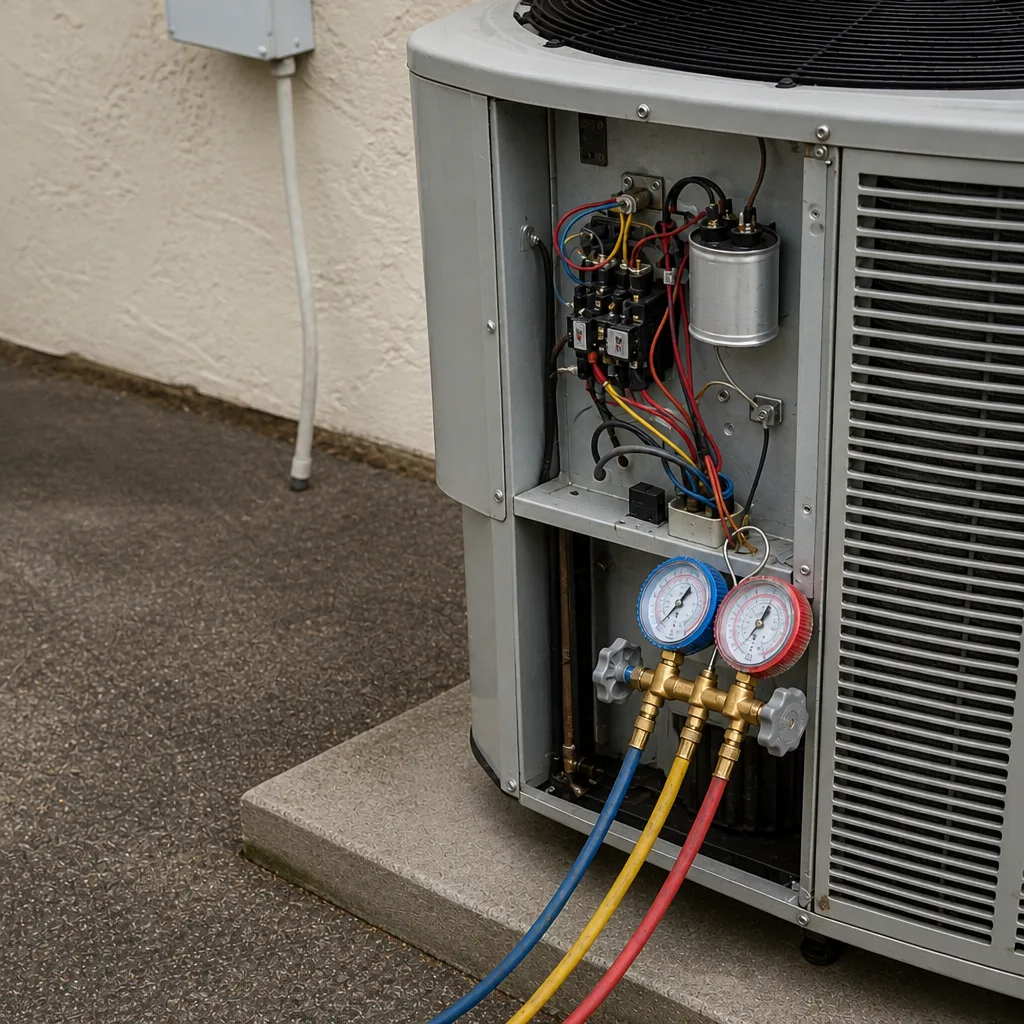
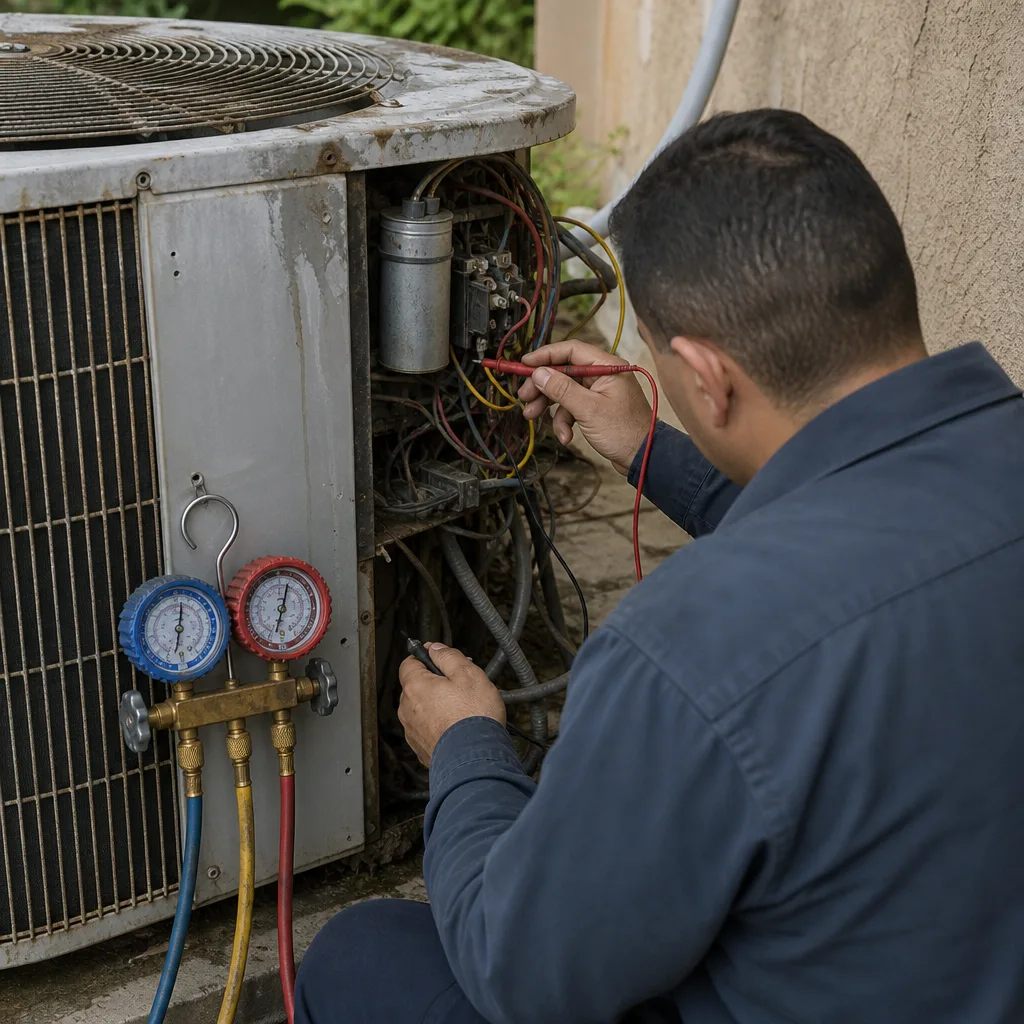
See the difference
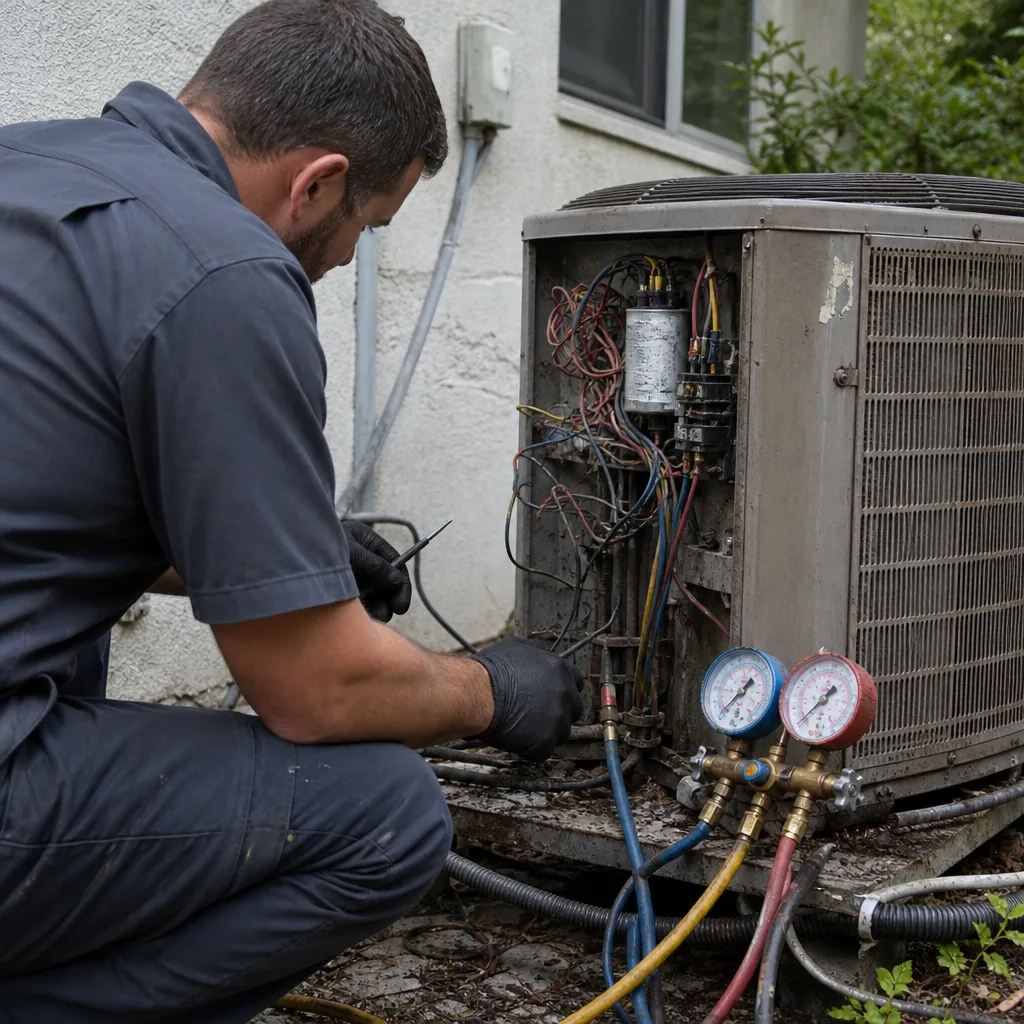 Before
 After
 Before
 After
 Before
 After
Common Mistakes to Avoid
- Hiring based on the lowest number. A quote that’s significantly below the others is almost always missing something: a permit, a load calculation, a labor warranty, or all three. Get the scope in writing before you compare prices. Cheap HVAC work in a hot climate is a short-lived bargain.
- Skipping the DBPR check. Verifying the license takes three minutes. Skipping it is how homeowners end up with unpermitted work and an unenforceable warranty. Do the check on every contractor you’re considering, every time.
- Letting the contractor skip the load calculation. If they don’t run one, you have no way of knowing whether the proposed system is correctly sized. In Pembroke Pines, oversizing leads to humidity problems that no thermostat setting will fix.
- Paying the full contract up front. No legitimate HVAC contractor needs the entire payment before starting work. Milestone-based payments are standard, and final payment after final inspection is your lever.
- Assuming the permit is handled without checking. Even when the contractor says they pull the permit, verify through the city’s portal. Occasionally a contractor says “permitted” and never submits the paperwork.
- Choosing a brand because of an ad, not a load calculation. Whether you’re considering a Carrier system or a Daikin or a Bryant, the brand matters less than correct sizing and correct installation. A well-installed mid-tier system outperforms a poorly installed premium one every time.
- Forgetting to ask about warranty labor coverage. Manufacturer warranties cover parts. Labor warrants are separate and shorter. Ask what the labor warranty term is and whether it survives if the contractor changes ownership, which is worth knowing before you sign.
When to Call a Professional
Some HVAC situations are obvious emergencies (warm air blowing in July when the thermostat calls for cooling, or a system that won’t start at all). Others aren’t obvious until they’ve been going on for a while. In our experience, homeowners in Pembroke Pines should call a professional when:
- The system runs constantly but the house never reaches the set temperature.
- Humidity stays high inside even with the AC running. Steady cooling without humidity removal often points to an oversized system or a duct problem.
- Your cooling bills have crept up over two or three seasons without a change in usage. Efficiency loss isn’t obvious until it’s expensive.
- The system is 12 years or older and you’re deciding between a repair and a replacement. That conversation benefits from a load calculation and a written quote, not a guess.
- You’re planning a renovation that changes square footage, insulation, or window count. The load calculation has to be redone.
- Your furnace isn’t warming the house. Call before you spend another cold morning on the couch. Heating work and cooling work both live under the same roof, so one call covers both.
Remington AC Repair offers free estimates in Pembroke Pines, call (866) 237-6150. We answer 24/7, and fast dispatch runs from 7am to 7pm. The technicians we connect you with are licensed and insured, and our technicians have up to 15 years of experience.
Frequently Asked Questions
Look up the contractor on Florida’s DBPR license lookup portal by company name and by the individual qualifier. The record will show the license status, class (Certified or Registered), and any disciplinary actions. Confirm the qualifier’s name matches someone the company says is on the job, and confirm the business carries insurance separately. It takes a few minutes and eliminates unlicensed operators immediately. Call (866) 237-6150 for an exact quote from us, estimates are free.
Most replacement and installation work does require a permit from the City of Pembroke Pines, and it generally requires inspection when the work is done. Always confirm with the city’s building department for your specific project, then confirm with the contractor that they’ll pull the permit and give you the permit number. Verify the permit was actually issued through the city’s online portal before work begins. Skipping permits creates real problems at resale. Call (866) 237-6150 for an exact quote, estimates are free.
Because it’s the only reliable way to know the correct system capacity for your home. A load calculation measures wall insulation, window size and orientation, ceiling height, and duct condition before recommending a system size. Without it, contractors size by square footage or by copying the old system, and both approaches routinely produce oversized systems that cool quickly but leave the house humid. Ask for the written result and compare it to the equipment quoted. Call (866) 237-6150 for an exact quote, estimates are free.
Ask what brands they can service and whether they can install a different brand from the one they’re proposing. A contractor who services only one or two brands has a business reason to recommend those brands regardless of fit. A contractor authorized across multiple manufacturers (Carrier, Daikin, Bryant, American Standard, and others) is positioned to give you a straight recommendation. Ask the follow-up question: “When would you NOT recommend the brand you’re proposing?” Call (866) 237-6150 for an exact quote, estimates are free.
Read for five things: scope of work with model numbers, permit responsibility, payment schedule tied to milestones (not all up front), labor warranty term separate from manufacturer warranty, and final payment contingent on passing inspection. Florida law provides certain cancellation rights for home improvement contracts; the contract should disclose them. Ask for a copy to review at home, and don’t sign under pressure. Call (866) 237-6150 for an exact quote, estimates are free.
It depends on age, repair cost, and efficiency. A system 12 years or older with a repair estimate that exceeds a meaningful fraction of replacement cost is usually a replacement conversation. A younger system with a single component failure is a repair. The right answer requires a real diagnosis, a load calculation, and a written quote with model numbers. We offer furnace repair and furnace replacement, and AC installation for replacements, so the recommendation is based on your home rather than a service we want to sell. Call (866) 237-6150 for an exact quote, estimates are free.
The Bottom Line
Hiring an HVAC contractor in Pembroke Pines is not about finding the cheapest quote. It’s about verifying three things: that the contractor is licensed, that they’ll pull a permit and give you the number, and that they’ll produce a load calculation and a written, model-specific quote. Get one thorough quote instead of three thin ones. Read the contract before you sign, keep final payment contingent on inspection, and treat brand recommendations as a question to test rather than a fact to accept. Pembroke Pines HVAC work done right is quiet, effective, and lasts. Work done poorly is a problem you inherit.
We’ve built our service menu around the three jobs that matter most in this climate: AC installation, furnace repair, and furnace replacement. Our technicians work across nine major brands, so the recommendation fits your home. Our technicians have up to 15 years of experience, and we’re a licensed and insured contractor. Remington AC Repair covers Pembroke Pines and answers calls whenever they come in. For the original detail on how we work on any brand, starting from the home page: Remington AC Repair.
When you’re ready to talk through a repair, a replacement, or just want someone to look at the system before summer hits, call (866) 237-6150 for a free estimate. We answer 24/7, and fast dispatch runs from 7am to 7pm. The written estimate is free and the price is set per job, so there are no surprises once work begins. Whether your system is a Carrier, a Daikin, a Bryant, or an American Standard, we’ll give you straight answers on your system.
Written by the team at Remington AC Repair.