
Last updated November 16, 2026
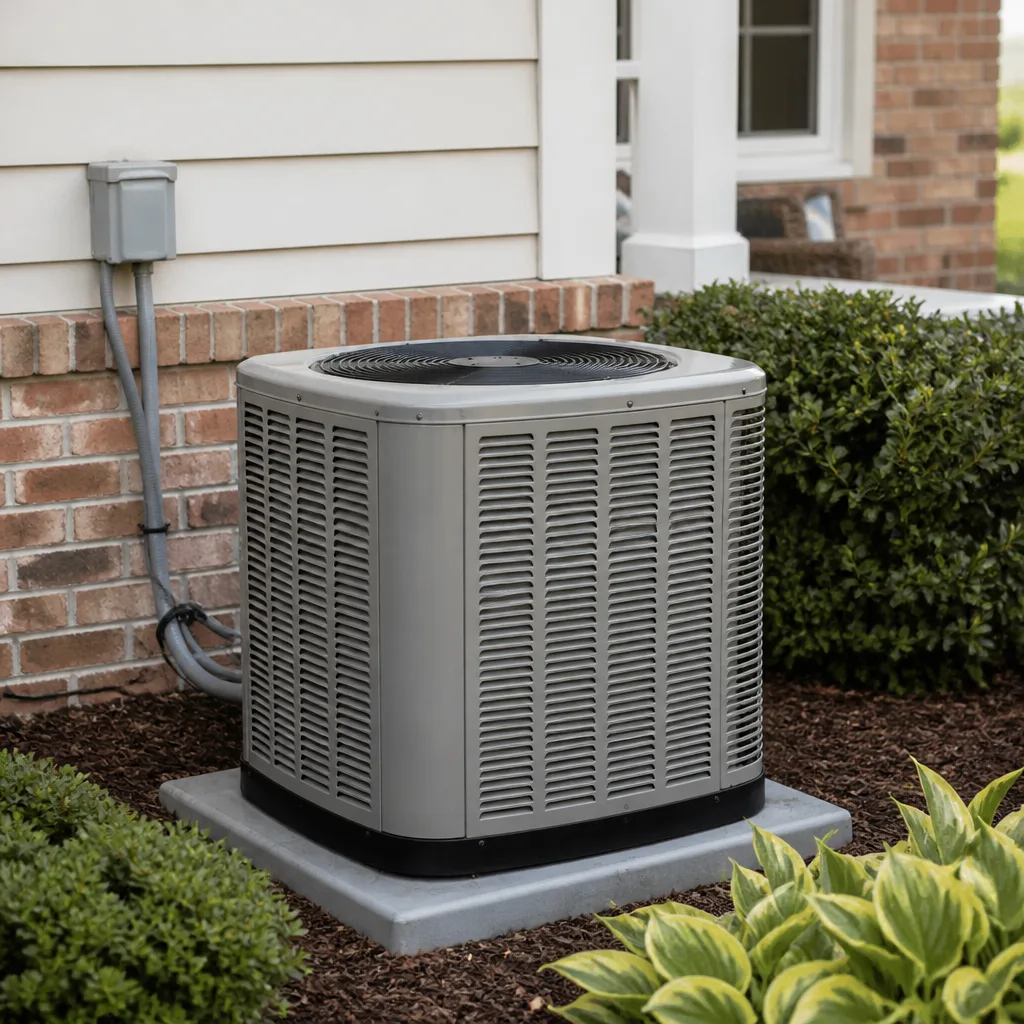 AC repair
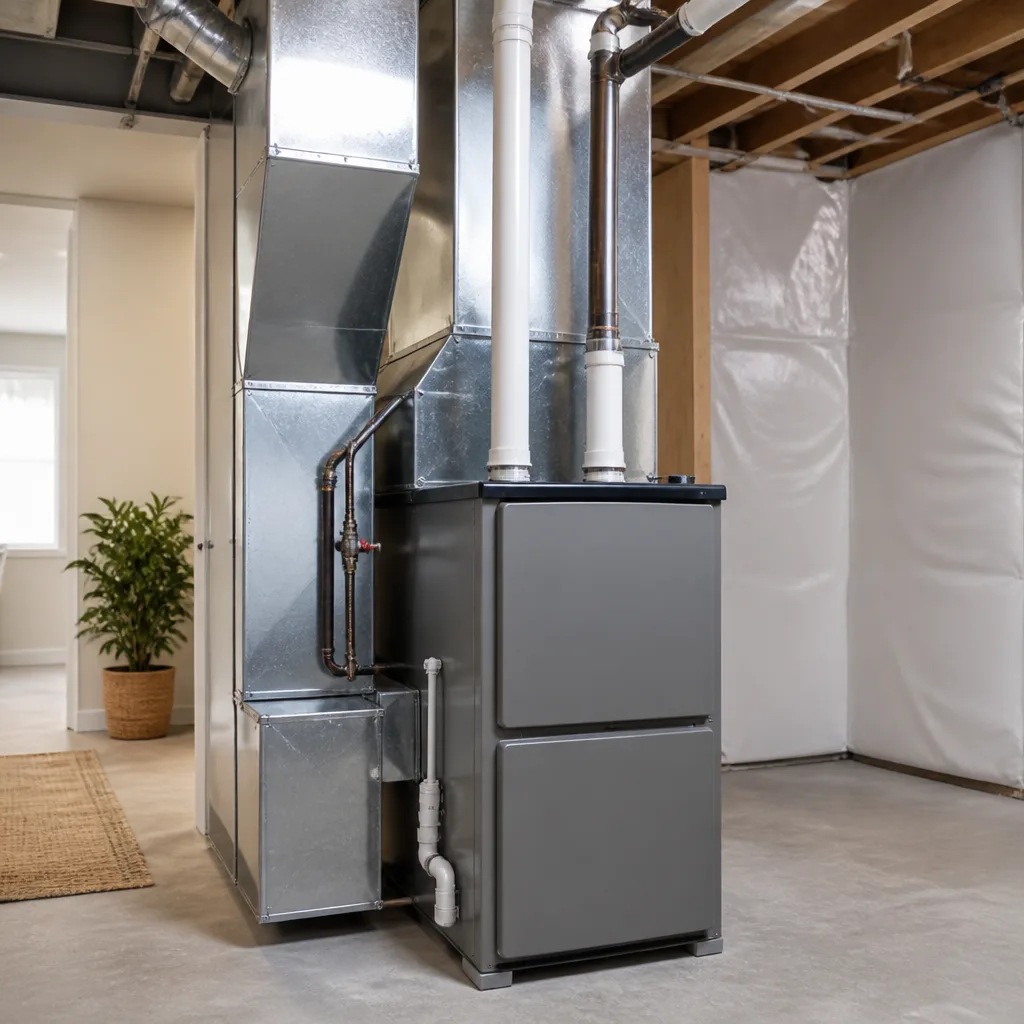 Furnace & heating
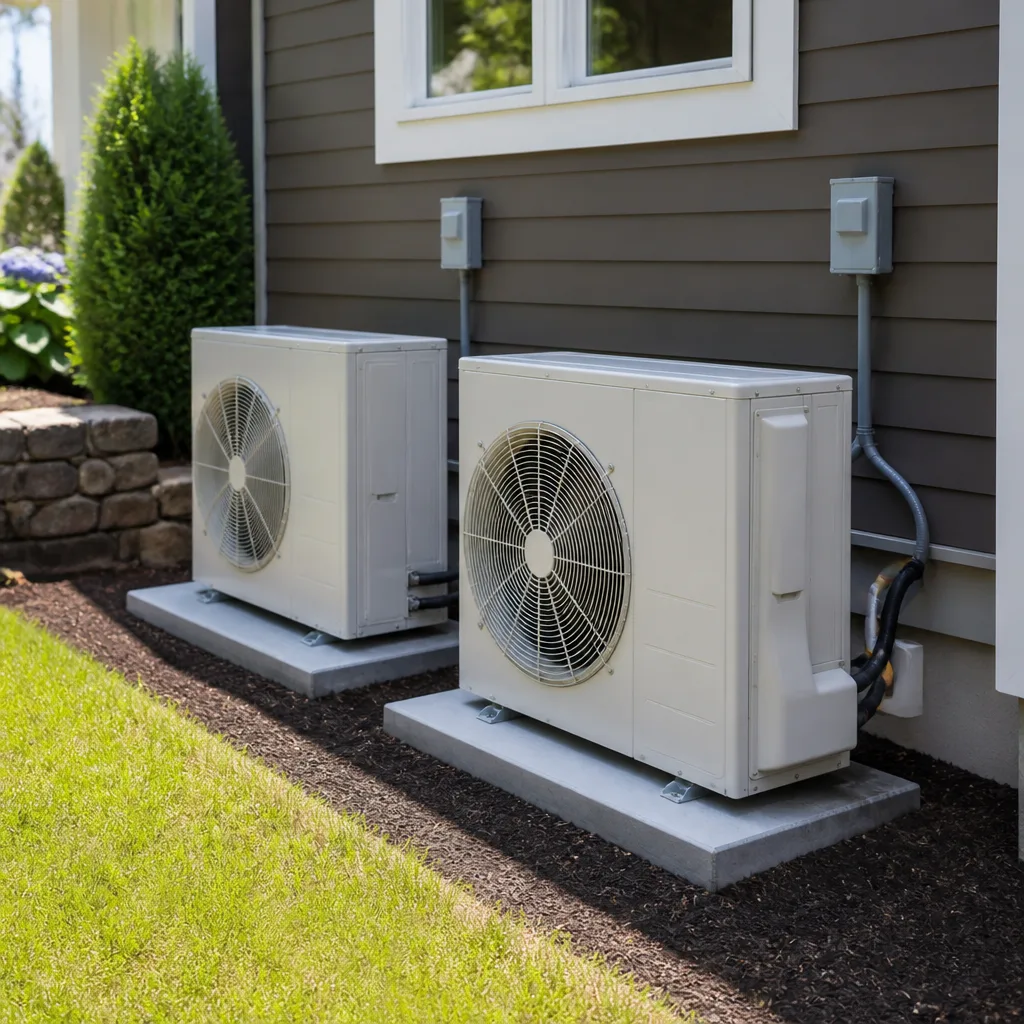 Heat pumps
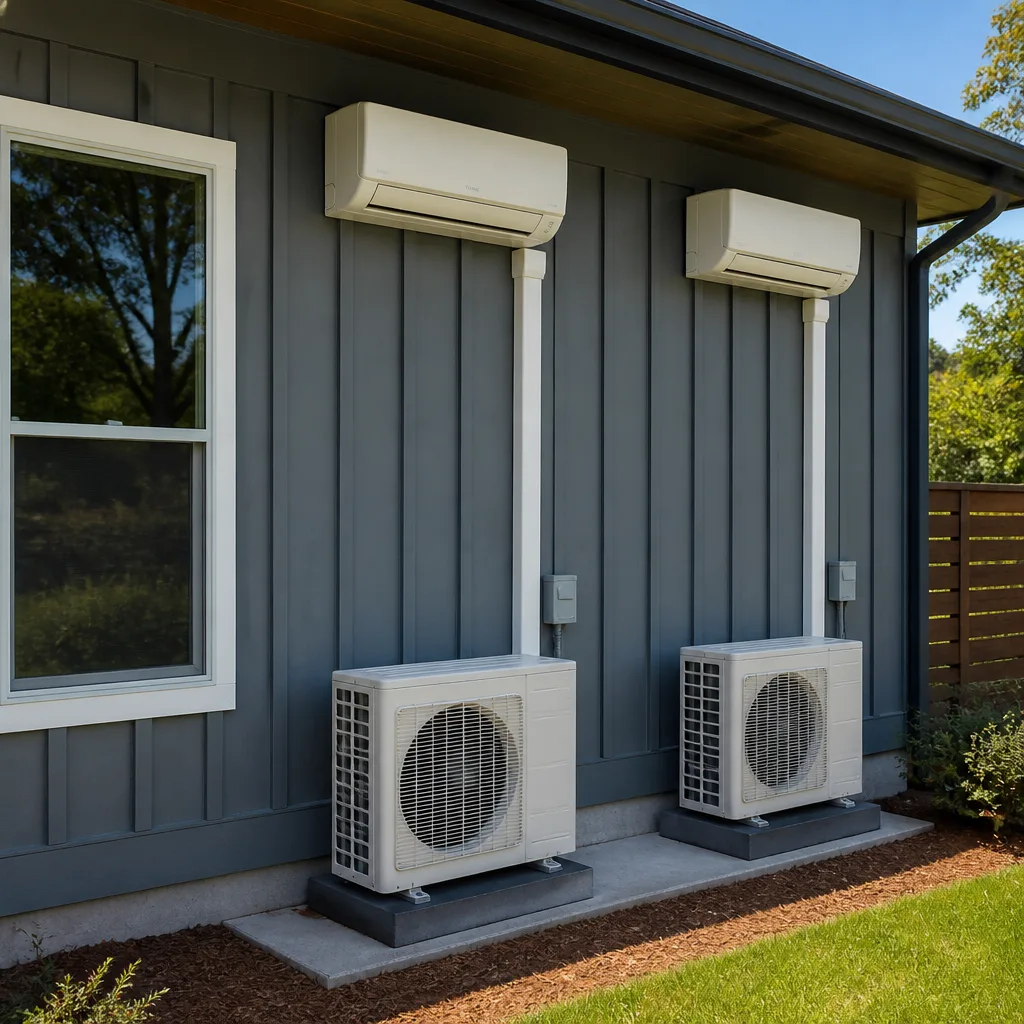 Ductless mini splits
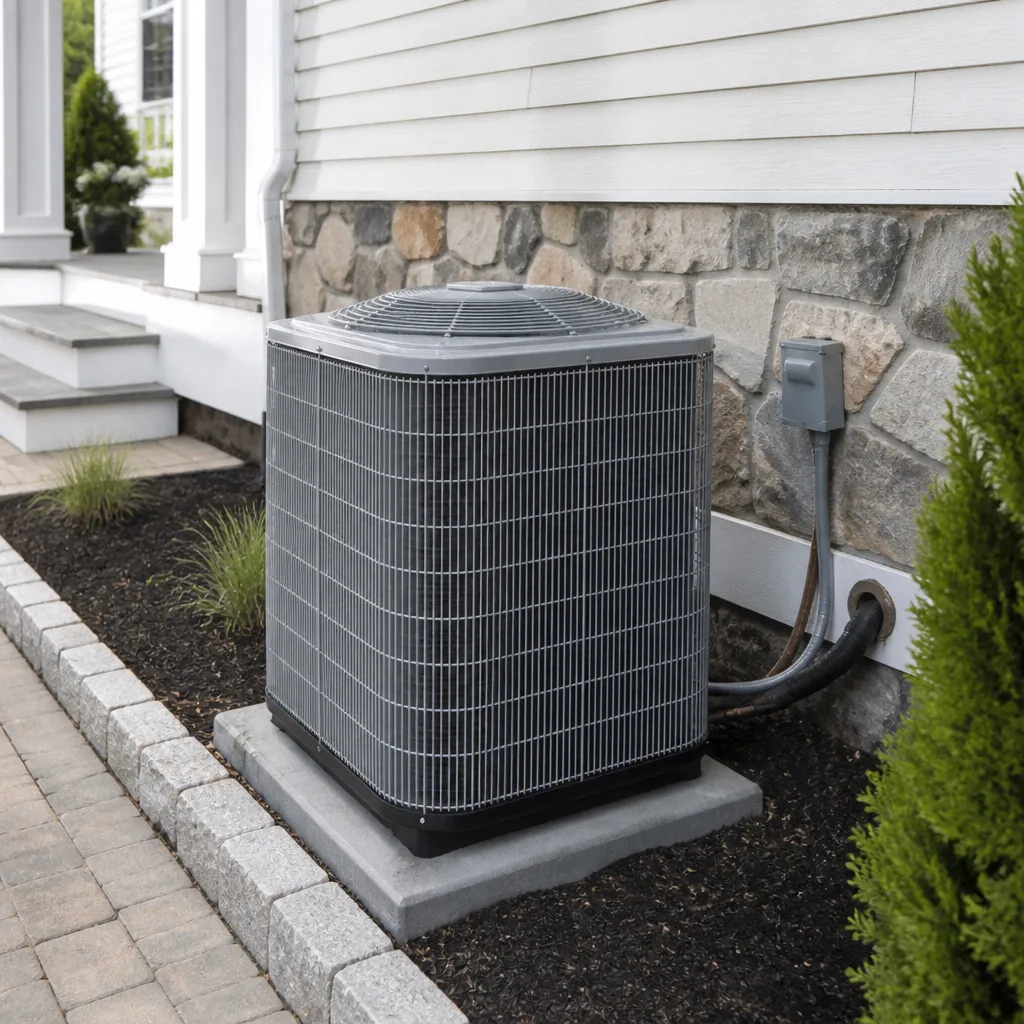 Carrier
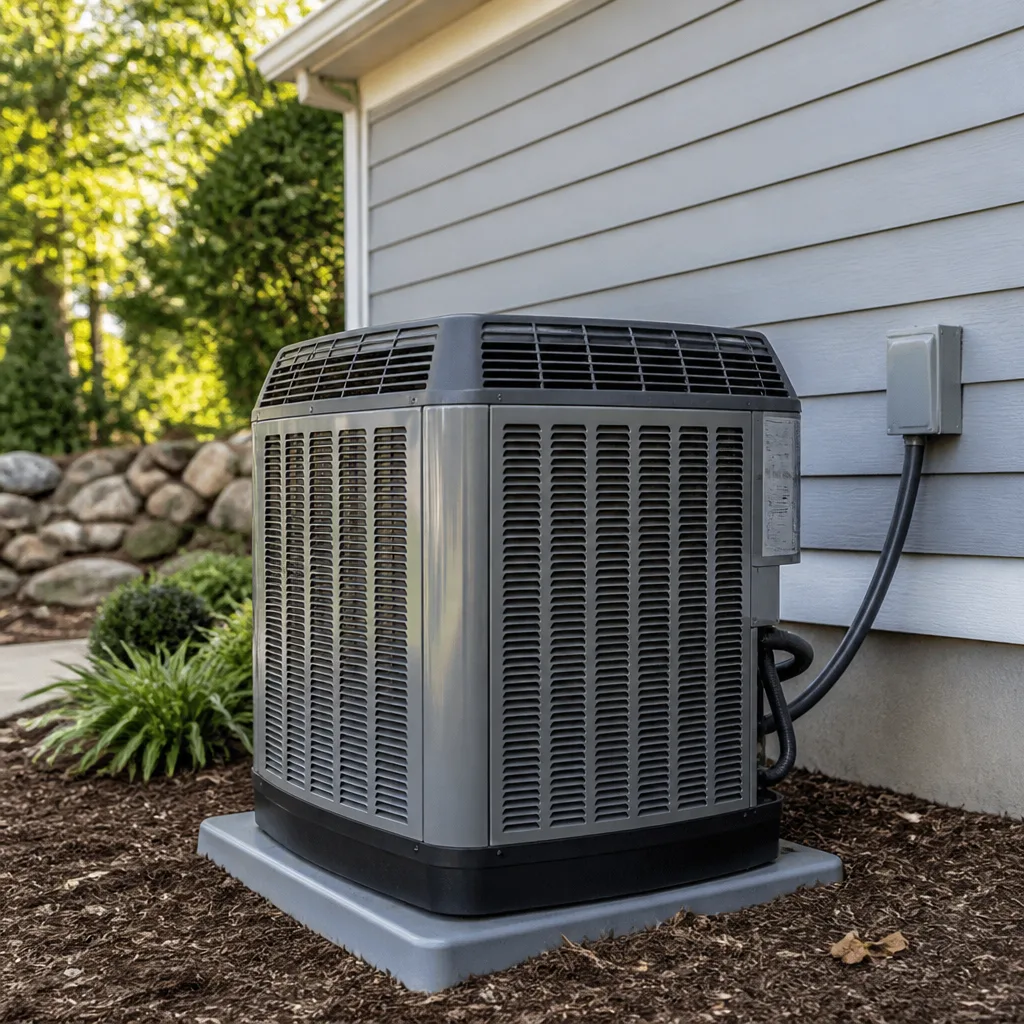 Trane
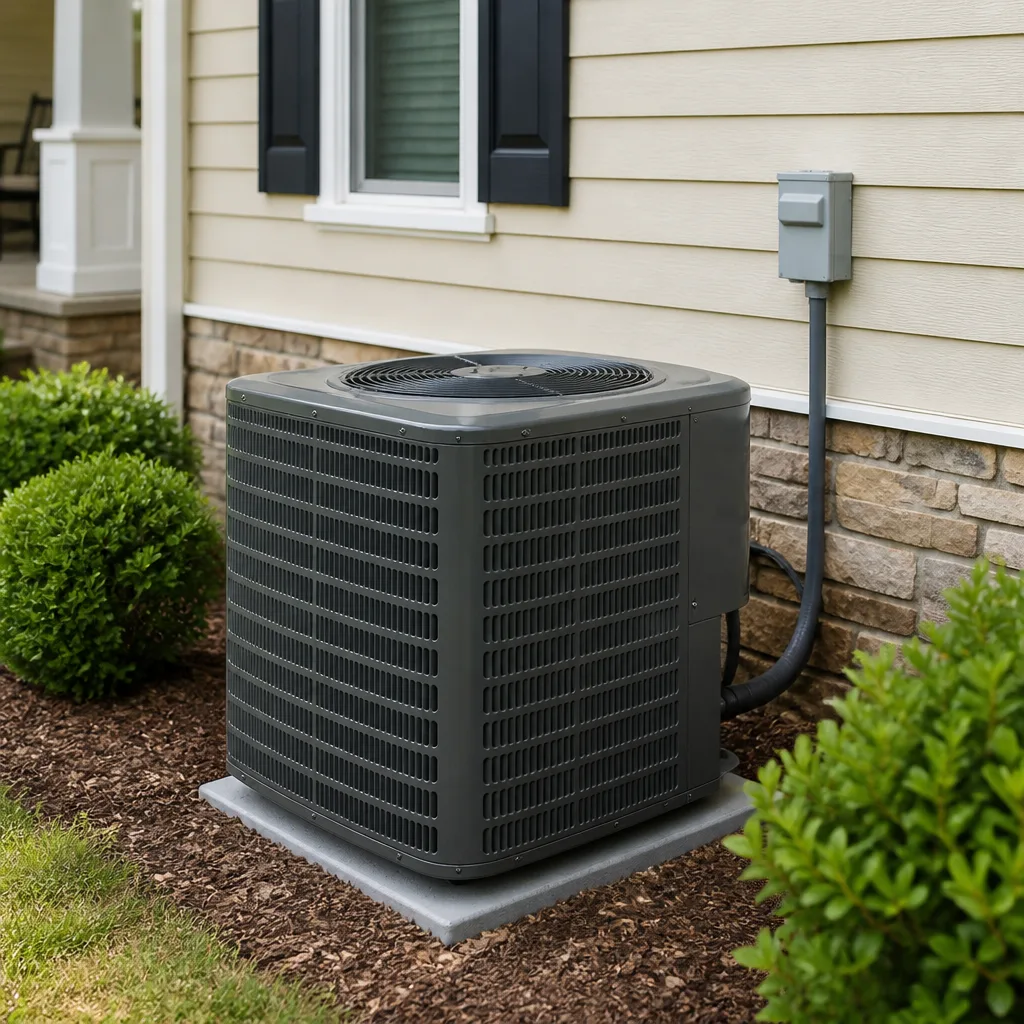 Goodman
Seasonal tune-up and full diagnostic on your Carrier, Trane, or Goodman system - readings shown to you before any repair is proposed
Diagnosis first, numbers second - you approve the repair price before a single part goes in.
Get your free estimateDIY vs Professional HVAC: The Pembroke Pines Homeowner’s Decision Guide
In Florida, a homeowner can legally replace their own water heater. They can patch drywall, re-roof their own house, and rewire outlets. But touching refrigerant without an EPA 608 certification is a federal violation, and that line catches a lot of confident DIYers off guard when they’re already halfway through a job. The usual DIY-versus-professional argument is framed as a money question. In Pembroke Pines, it’s a legal and insurance question first. Get the legal boundary wrong and you can face permit problems, a voided warranty, or an insurance gap before you’ve spent a dollar on parts. This guide walks the legal line first, then rates common tasks by real DIY viability, explains how self-performed work meets a Florida homeowner’s policy, and ends with the maintenance you can genuinely do yourself between service calls.
Quick Answer
Most routine HVAC tasks that don’t involve refrigerant, electrical components, or gas are safe and legal for a Pembroke Pines homeowner to handle: filter changes, thermostat swaps, clearing the outdoor unit, and basic coil cleaning. Anything involving refrigerant handling, capacitor or compressor replacement, gas line work, or new equipment installation requires a licensed HVAC contractor, and refrigerant work also requires federal EPA 608 certification regardless of who performs it. When in doubt, the written estimate from a licensed tech is free and tells you whether the job is a fifteen-dollar filter or a job that could void your policy.
Styles & brands we work with
- AC repair
- Furnace & heating
- Heat pumps
- Ductless mini splits
- Carrier
- Trane
- Goodman
Table of Contents
- Where Florida Law Draws the DIY Line for HVAC Work
- Common HVAC Tasks Rated by DIY Viability
- How DIY HVAC Work Meets Your Florida Homeowner’s Insurance
- The Hidden Cost of a Botched DIY Job in South Florida’s Climate
- Permits, Warranties, and What Happens at Resale
- What You Can Legitimately Do Between Service Calls
- When to Stop and Call a Technician
Where Florida Law Draws the DIY Line for HVAC Work
Florida is one of the more permissive states for homeowner self-work on a primary residence. The state allows a homeowner to perform work on their own home without a contractor’s license in many trades, but that permission has firm limits, and HVAC sits right at the edge of them.
Two separate rule sets apply to HVAC work in Pembroke Pines and across Florida:
- State contractor licensing. Most HVAC work beyond basic maintenance requires a licensed contractor under Florida law. The state licenses air-conditioning contractors specifically, and local building departments enforce the licensing and permit requirements when a system is installed, replaced, or substantially altered.
- Federal refrigerant rules. Under Section 608 of the Clean Air Act, anyone who handles regulated refrigerants, including the R-410A and newer refrigerants in most residential systems, must hold EPA Section 608 certification. That’s a federal requirement independent of state licensing. A homeowner cannot legally open a refrigerant circuit, add refrigerant, or recover it just because they own the house.
That federal line surprises people. Homeowners who are handy with electrical work and plumbing often assume HVAC sits in the same category. It doesn’t. If a repair requires cutting into the sealed refrigerant loop, the answer is a certified technician, not a YouTube video.
For equipment changes, the practical answer is even clearer. Replacing an outdoor condenser or air handler generally triggers a permit in Pembroke Pines, and a permitted job requires a licensed contractor to pull the permit, perform the work, and pass inspection. Doing the work yourself without a permit and without a license can leave you with a system that fails inspection at resale, and it can be flagged when a buyer’s inspector or appraiser reviews the property. We work with homeowners on both sides of that line. Some jobs are straightforward enough that you handle them and call us for the annual check. Others cross into licensed work the moment a tool touches a sealed component.
Common HVAC Tasks Rated by DIY Viability
Not every HVAC task is equal. Some are genuinely homeowner-friendly, some are legal but risky, and some cross into work that requires a licensed contractor or federal certification. Here’s a category-by-category breakdown of what we see most often in Pembroke Pines homes, rated by whether a careful homeowner can safely do it themselves.
Easy DIY: Filter Changes
Replacing a return-air filter is the single highest-value, lowest-risk task in HVAC. It’s legal, safe, and takes about two minutes. In South Florida’s long cooling season, filters load up faster than in cooler climates because the system runs more hours per year. A clogged filter strains the blower, drives up energy use, and can freeze the indoor coil on a humid day. Check monthly and replace when it looks gray or matted. That’s the whole job.
Easy DIY: Thermostat Swaps (With Caveats)
Replacing a basic thermostat with a like-for-like model, same wire count, same voltage, is within reach for a careful homeowner. Turn the system off at the breaker first, photograph the wiring before you disconnect anything, and match the new unit to the old. What we’d caution against is upgrading to a smart thermostat with new wiring needs, a heat pump with auxiliary stages, or a communicating system. Those jobs can get complicated fast, and a miswired thermostat can damage a control board. When in doubt, call a tech.
Risky DIY: Capacitor and Contactor Replacement
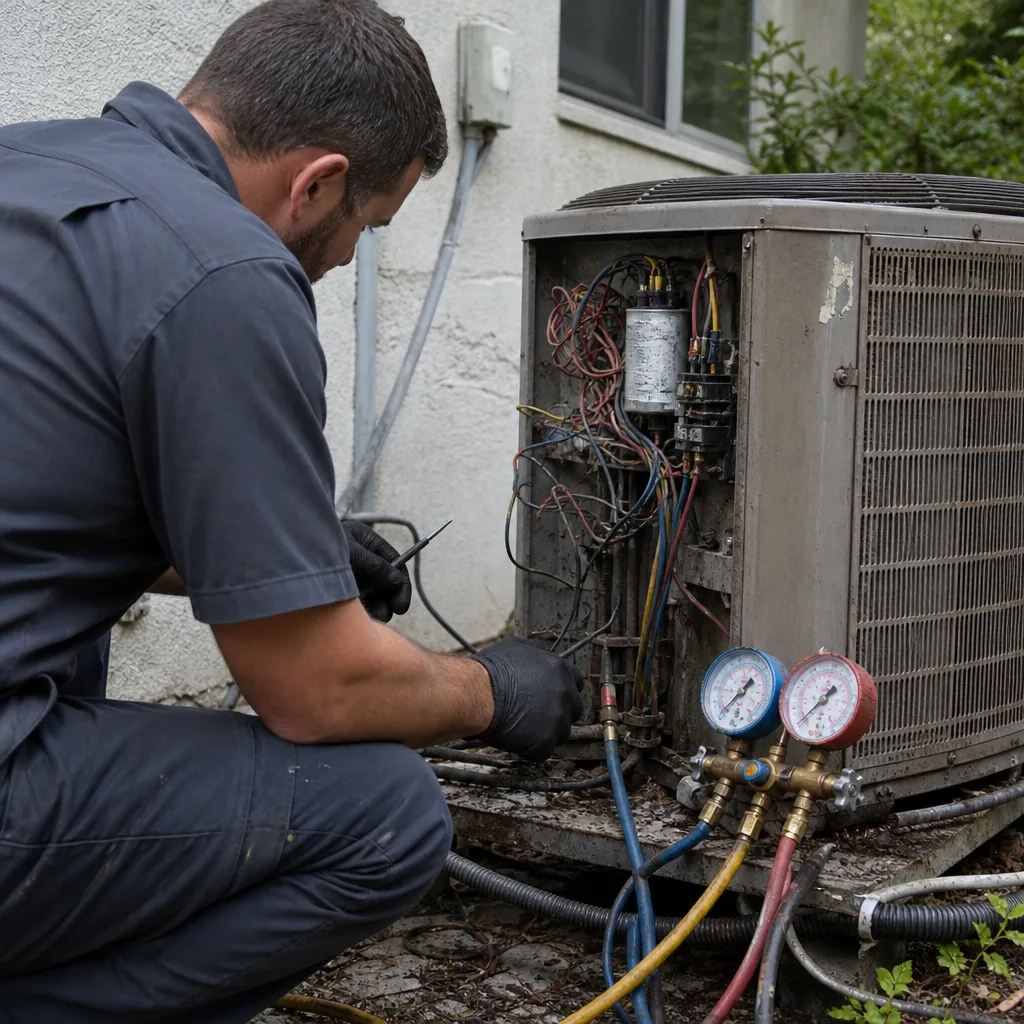
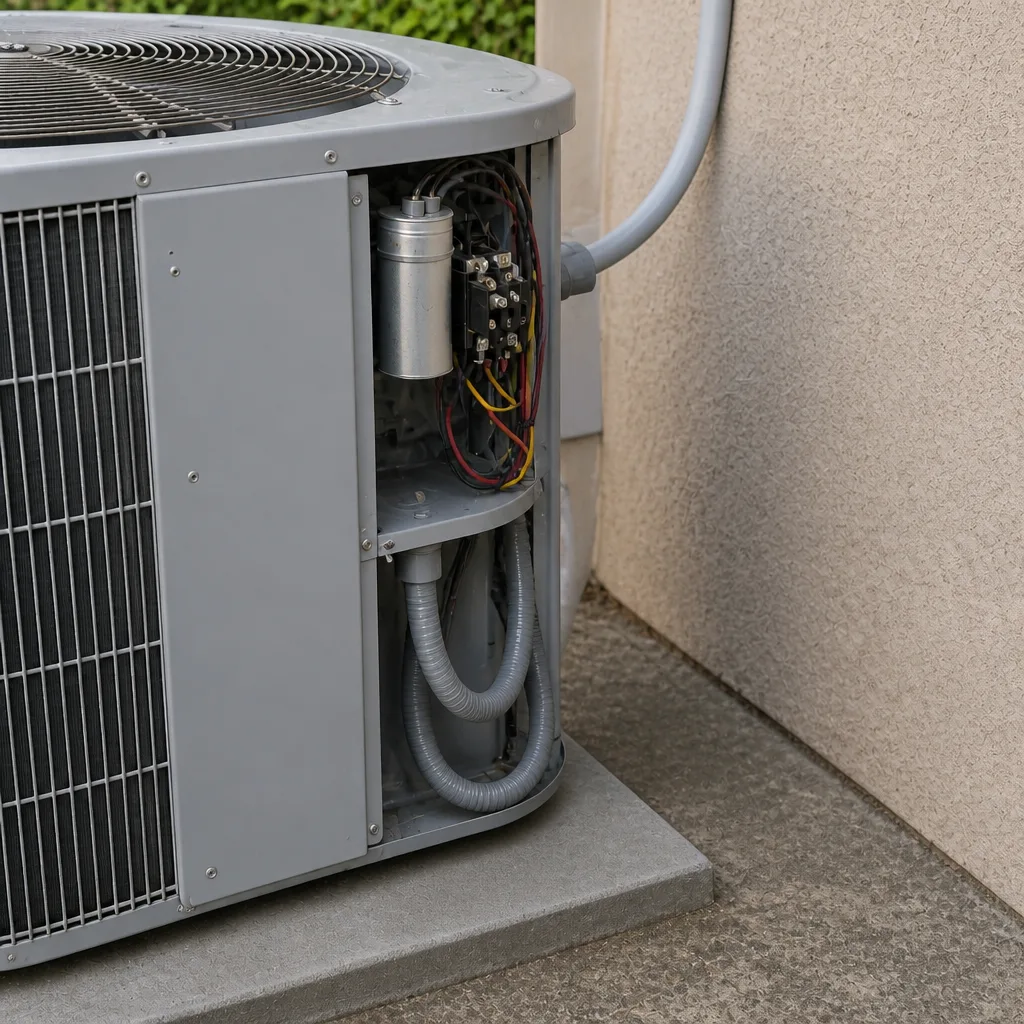
These are the parts that most often fail on a Pembroke Pines AC during summer. A weak capacitor keeps the compressor or fan from starting, and a pitted contactor causes intermittent shutdowns. The parts cost little, and the repair is quick for a trained tech. For a homeowner, the risks add up: the capacitor holds a charge even with power off, the wrong microfarad rating can damage the compressor, and working inside the electrical panel of an outdoor unit is a shock hazard. We’ve seen plenty of DIY capacitor jobs that ended with a dead compressor a few weeks later. It’s not a job to learn on.
Not DIY: Refrigerant Work
Any task that opens the sealed refrigerant circuit is off the table. Adding refrigerant to a low system, recovering refrigerant during a repair, and brazing new line sets all require EPA 608 certification and the right equipment. A homeowner who “tops off” their own system with a can from the hardware store is almost certainly leaking refrigerant into the atmosphere, which is both illegal under federal rules and a symptom of an unfixed leak that will return next season. Refrigerant work is where the DIY line from the opening of this guide lives.
Not DIY: Duct Sealing Beyond Surface Tape
Taping a visible leak in an accessible flex duct with mastic or foil tape is fine. Real duct sealing, meaning sealing at the plenum, addressing disconnected runs in the attic, or balancing air across a house, requires diagnostic tools and access that most homeowners don’t have. In Pembroke Pines homes with long attic runs, poor duct sealing can cost real money in cooling loss all summer. Call a tech for anything beyond the connection you can see and reach.
Not DIY: Gas Furnace Repair
Gas-fired furnace work involves combustion, venting, and carbon monoxide risk. Even a minor gas leak can be dangerous, and improper combustion adjustment can produce CO in a way that’s not obvious. Furnace issues should be handled by a licensed contractor, always. If you smell gas, leave the house and call your gas utility first, then a technician. We handle furnace repair for this reason: it’s the category where DIY carries the highest stakes.
How DIY HVAC Work Meets Your Florida Homeowner’s Insurance
Here’s where the DIY conversation gets expensive, and it’s the part most homeowners haven’t thought about. A Florida homeowner’s policy generally covers sudden and accidental damage from a covered peril, like a fire, a lightning strike, or a water leak from a failed component. It typically does not cover damage caused by faulty workmanship, poor maintenance, or a repair performed improperly, whether by the homeowner or by an unlicensed contractor.
The policy language that matters usually sits in the exclusions section, and it tends to read something like this: the policy will not pay for loss caused by “faulty, inadequate or defective planning, construction, repair, renovation, remodeling, grading, compaction” or similar work. Different carriers word it differently, but the theme is consistent. If a claim adjuster finds that a fire started because a homeowner installed a capacitor with the wrong rating, or because a wire was left loose inside a unit, that’s very likely to be denied as faulty work.
Two other insurer concerns come up in HVAC specifically:
- Permits. Many policies require that work on covered structures be permitted and inspected as required by local code. Unpermitted HVAC work that later causes damage can put a claim at risk even if the work itself looked correct.
- Undisclosed modifications. If a homeowner adds a mini-split or converts a garage without notifying the insurer, the additional equipment and any related loss may not be covered.
Read your own policy’s exclusions section with a pencil. The language is dry but it’s the language that decides claims. And if you’re hiring a contractor to do the work, confirm they’re licensed and insured before they start. That’s exactly what a legitimate licensed contractor relationship protects you from, and it’s why we tell Pembroke Pines homeowners not to cut corners on the paperwork. Our technicians have up to 15 years of experience, and the paperwork matters as much as the diagnosis.
The Hidden Cost of a Botched DIY Job in South Florida’s Climate
A loose electrical connection inside an air handler won’t announce itself. It’ll run for three weeks without a complaint, cool the house fine, and then one afternoon in August, when the system has been working hard for hours and the outdoor temperature is close to its annual peak, the connection overheats, the compressor trips, and the homeowner calls us with a system that’s completely shut down.
South Florida’s climate is what turns small mistakes into bigger ones. Three things about our local conditions amplify DIY errors:
- Long runtime. A Pembroke Pines AC system runs far more hours per year than one in a cooler climate. Small problems get more chances to fail because the equipment is operating longer and under more sustained load.
- Humidity. Every cubic foot of outside air that enters through a poorly sealed duct or an improperly seated coil brings moisture with it. An underperforming component that would be a minor issue elsewhere becomes a mold-and-mildew problem here.
- Peak-season heat. A compressor or capacitor that’s marginal can survive shoulder season and fail during the two or three hottest weeks of the year, when the whole system is at max load and every part is working its hardest.
What we see in our diagnostic work is that a botched repair rarely fails immediately. It usually fails during the first real heat wave, right when the homeowner most needs cooling, at a time when every HVAC contractor in the area is busiest. The cost of a DIY error isn’t the cost of the part. It’s the cost of the follow-up repair, plus the loss of cooling during the worst possible week, plus any secondary damage the failed component caused.
That’s why the question isn’t “can I do this myself?” but “what happens if I do this myself and I get one detail wrong?” For a filter change, the answer is nothing. For a capacitor swap, the answer can be a compressor.
Permits, Warranties, and What Happens at Resale
Equipment replacement in Pembroke Pines generally requires a permit, and permits require a licensed contractor to pull them. Skipping that step looks like a shortcut, but the cost usually surfaces later. Three places it bites:
- Warranty. Manufacturer warranties typically require that equipment be installed by a licensed contractor following the manufacturer’s installation specifications. A self-installed system or a system installed by an unlicensed handyman can void the parts warranty on a unit that’s still within its covered period. Carrier, Trane, Lennox, and American Standard warranties all contain some version of this language.
- Resale. A home inspector reviewing a property before sale can identify unpermitted equipment changes. A buyer’s lender can require that unpermitted work be brought into compliance before closing, which means paying for the permit and the inspection after the fact, sometimes alongside a contractor’s rework.
- Code compliance. Equipment that doesn’t meet current Florida code on installation clearances, electrical connections, or condensate handling can fail inspection, and the repair is your responsibility once the issue is found.
For a straightforward replacement, the piece of mind from doing it right the first time is worth the difference between a licensed install and a shortcut. Our role is to make AC installation as clean as it can be: pull the permit, install correctly, and hand over the paperwork the manufacturer and the insurer both expect to see. We’re certified to work on nine major brands, including Carrier, Trane, Lennox, Goodman, Rheem, York, Daikin, Bryant, and American Standard, so no matter what’s already in your home, we’ve worked on it.
What You Can Legitimately Do Between Service Calls
The maintenance that actually matters for extending a system’s life is mostly the stuff that doesn’t require a license. We tell Pembroke Pines homeowners to own these tasks themselves because they make a measurable difference and cost nothing.
- Change the filter on schedule. Check monthly. Replace when matted or gray. In a home with pets or during pollen season, replace more often. This is the single biggest free lever you have on system life.
- Keep the outdoor unit clear. Trim shrubs back so there’s good airflow around the condenser. Clear debris like leaves and cut grass from the top grille. Rinse the coil gently from inside out with a garden hose, no pressure washer, once or twice a season when the unit is off at the breaker.
- Check the condensate drain line. A plugged condensate line is one of the most common causes of water damage we see in Pembroke Pines homes, especially during the humid months. If you can see the outdoor drain line terminate, check that water flows freely. If it’s slow or stopped, call a tech before it backs up into the ceiling.
- Keep vents open and unobstructed. Furniture and rugs blocking supply vents force the blower to work harder and reduce airflow to the rooms you’re actually cooling. Check registers every season.
- Watch the thermostat behavior. If the system is short-cycling or running much longer than usual, it’s not a problem to solve yourself, but it’s worth noting. That’s the pattern that says “call us” before August.
- Schedule service before the peak. A seasonal check catches a marginal capacitor, a dirty coil, or a slow leak while it’s still cheap. The check itself takes less time than the repair.
None of these require a license. All of them extend the life of a system that’s doing real work in a climate that asks a lot of it. When you want a trained eye on the rest of the system, that’s what we’re for. Our full service menu is on our Remington AC Repair page, and the seasonal check is where most of the value is.
When to Stop and Call a Technician
Here’s the working rule: if the repair involves refrigerant, electricity beyond a low-voltage thermostat wire, gas, or a permit, stop. That covers more than most homeowners realize. A few specific situations where we’d always recommend a call:
- The system is blowing warm air with the thermostat set to cool, and it’s been running like that for more than a short test.
- You see ice on the refrigerant lines or on the indoor coil, which usually means a refrigerant or airflow issue, not something to fix by turning the system off and waiting.
- Any part of the outdoor unit, indoor air handler, or wiring is physically hot to the touch when the system has been off for a few minutes.
- There’s water pooling near the indoor unit or stains spreading on the ceiling below an air handler.
- The compressor trips the breaker on restart, which points to an electrical or compressor fault.
- You smell gas near a furnace, or you notice a yellow rather than blue flame, or soot on the burners.
- Any repair requires a permit or a refrigerant circuit opening.
None of these are “wait and see” situations. Fast dispatch, 7am-7pm, Sunday through Friday. We answer 24/7. Call (866) 237-6150.
Common Mistakes to Avoid
- Treating refrigerant top-offs as a maintenance task. A homeowner adding refrigerant to a “low” system is masking a leak that will return, releasing refrigerant into the air, and running afoul of federal rules. Find the leak with a licensed tech instead.
- Assuming the thermostat is the problem. A thermostat that won’t hold a temperature is usually reporting a system fault, not causing one. Replacing it before a diagnostic wastes money and delays the real repair.
- Running with a filter that’s far overdue. A badly clogged filter stresses the blower motor and can freeze the indoor coil on a humid Pembroke Pines afternoon. This one is entirely preventable and entirely in the homeowner’s control.
- Buying parts online before diagnosis. Capacitors, contactors, and boards come in many ratings and styles, and the wrong part can look correct and run the compressor outside its spec. Diagnosis first, then parts.
- Skipping the permit on a replacement. An unpermitted install can void a manufacturer warranty and cause problems at resale. The permit is not a formality.
- Assuming a “handyman” can handle HVAC. Unlicensed work crosses into the same territory as DIY for insurance and code purposes. Check that the contractor is licensed and insured.
- Ignoring the condensate line. In our humidity, a slow drain line turned into a ceiling stain is one of the most common and most preventable repairs we handle. Check it during the cooling season.
See the difference
 Before
 After
 Before
 After
 Before
 After
When to Call a Professional
Call a professional when the repair involves refrigerant, when the system trips a breaker, when you see ice, water, or unusual heat, when a furnace is involved, or when a permit would be required. Call when a part is more than a filter or a like-for-like thermostat and you’re not sure. Call when the system has been running hot for days and you want a diagnosis rather than a guess. Remington AC Repair offers free estimates in Pembroke Pines. Call (866) 237-6150. We answer 24/7. Fast dispatch, 7am-7pm, Sunday through Friday. Our technicians have up to 15 years of experience, and we work on nine major brands so the recommendation reflects your home, not a brand preference. If you’re ready to schedule a diagnostic, we’ll tell you straight what’s wrong, what it costs, and whether it’s a repair or an honest replacement.
Frequently Asked Questions
You can legally change your own filter, swap a like-for-like thermostat, and clean the outdoor coil. You cannot legally handle refrigerant without EPA 608 certification, and most substantial HVAC work, including equipment replacement, requires a licensed contractor and a permit through the local building department. When a job crosses into refrigerant, gas, or a permitted installation, it’s a licensed-contractor job even in your own home.
Florida homeowner’s policies typically exclude damage caused by faulty workmanship, poor maintenance, or defective repair, and that exclusion applies whether the homeowner or an unlicensed contractor performed the work. A claim related to a DIY repair that fails can be denied even if the underlying damage (like a fire) would normally be covered. Read your policy’s exclusions section and confirm that any contractor you hire is licensed and insured.
Refrigerant handling is regulated under Section 608 of the Clean Air Act, and anyone who opens a sealed refrigerant circuit must hold EPA Section 608 certification. That’s a federal requirement that applies regardless of who does the work or whether it’s your own home. Refrigerant top-offs also raise a second problem: if the system is low, there’s a leak, and a top-off without a leak repair is a repeat problem waiting to happen.
For the tasks a homeowner can legally do, DIY saves the labor, and that’s it. For anything requiring a licensed tech, the estimate covers the diagnosis, the parts, the labor, and, on replacements, the permit and paperwork. The written estimate sets the final price, and estimates are free. Call (866) 237-6150 for an exact quote on your system.
A window unit that plugs into a standard outlet and doesn’t require refrigerant work is legal to install yourself. A mini-split or any new equipment that requires refrigerant charging, electrical work, and typically a permit is not a homeowner job. If you’re planning a mini-split, call us first. We can walk through the permit and installation requirements so you don’t end up with a system that fails inspection or can’t be covered by your warranty.
Repair makes sense when the component is a serviceable part, the system is within its expected lifespan, and the repair cost is modest compared with the equipment value. Replacement makes more sense when the compressor or coil has failed on an aging system, when repairs are stacking up, or when refrigerant type changes are involved. The honest answer depends on the specific diagnosis, not a rule of thumb. We’ll give you the honest version for your home in Pembroke Pines. Call (866) 237-6150 for a free estimate.
The Bottom Line
The DIY-versus-professional question for Pembroke Pines homeowners isn’t really about saving money. It’s about knowing where the legal and insurance line sits before you pick up a tool. Filter changes, like-for-like thermostat swaps, outdoor coil cleaning, and watching the condensate line are genuinely yours to do, and they matter. Refrigerant work, electrical components inside the unit, gas furnace repair, and equipment installation are not, because federal rules, Florida licensing, and your insurance policy all point in the same direction. The gray area in between, tiny repairs that look simple, is where the expensive mistakes live. Get a free written estimate, know what you’re actually dealing with, and let a licensed tech handle what crosses the line. Heating and cooling, handled correctly, is the whole point.
Call (866) 237-6150 for a free estimate. We answer 24/7. Fast dispatch from 7am to 7pm, Sunday through Friday. Our technicians have up to 15 years of experience and work on nine major brands. Pembroke Pines homeowners know we work on your system, not just the brands we sell.
Written by the team at Remington AC Repair.